Which brands make the best mirrorless cameras for beginners?
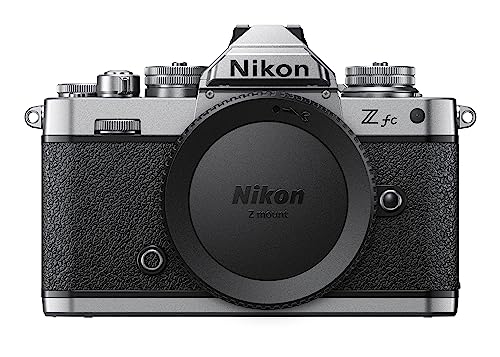
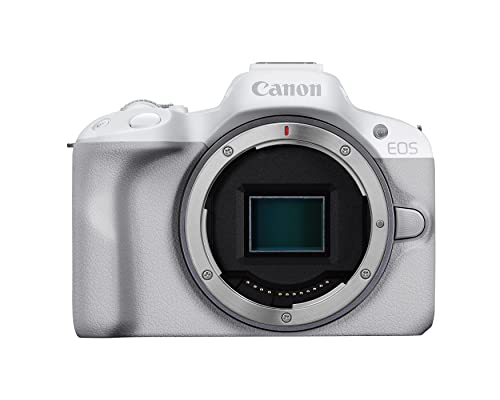
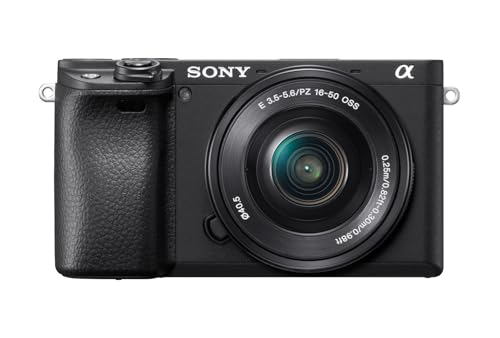
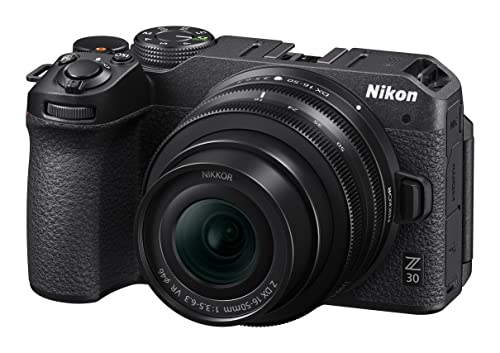
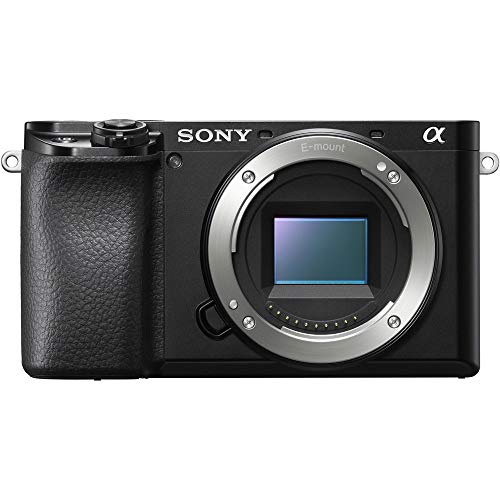
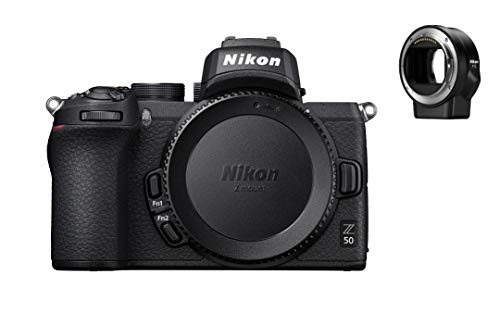
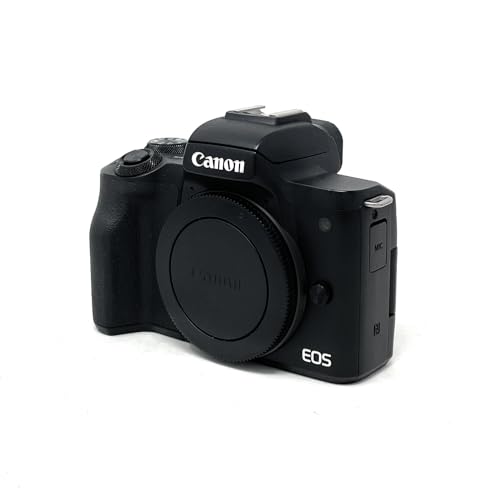
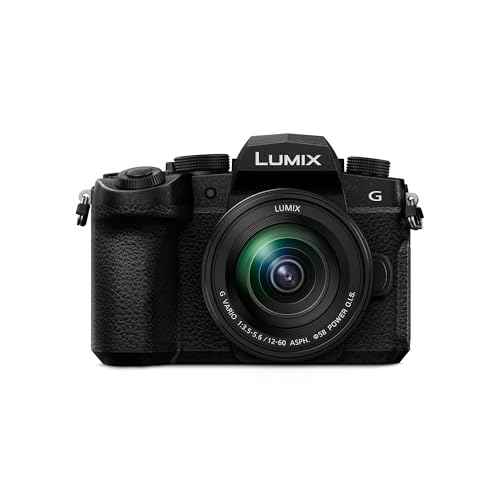
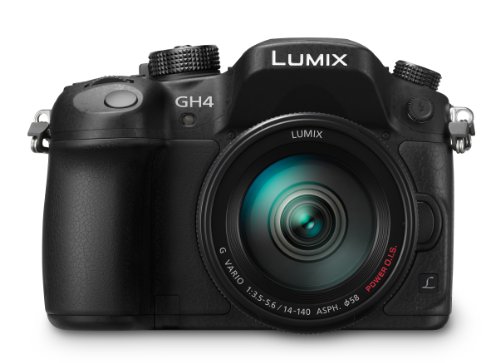
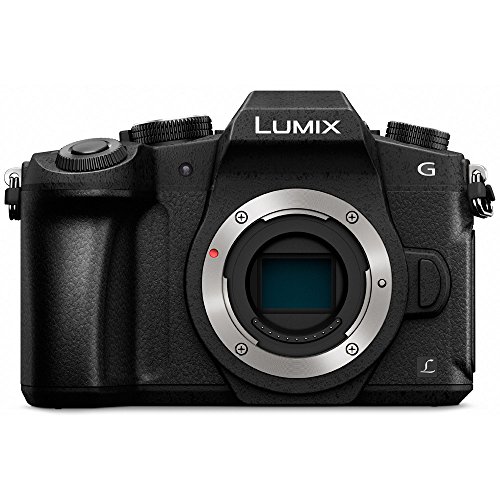
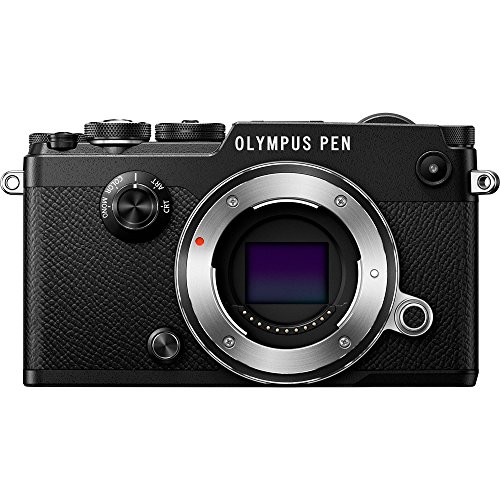
The leading mirrorless camera brands for beginners are as follows:
- [shortcode-09404645673031571888178811878965589426713036114866] (Average overall score: [shortcode-07401089016462688310050020129140712272744254286199])
- [shortcode-07403623712448082962110410752579823397560199442303] (Average overall score: [shortcode-00815293068467448948145460371339270199893005765536])
- [shortcode-17746542818004644238159947953037249143202579865753] (Average overall score: [shortcode-00349684731819992070001556541267623660722044263176])
The chart below compares mirrorless camera brands by average overall score.
[horizontal-chart-00698625813441214989150397648521521149573004851375]
What makes a mirrorless camera good for beginners?
A good mirrorless camera for a beginner combines dependable subject-detection autofocus, clear automatic and semi-automatic modes, a comfortable grip, and an affordable lens system. It should produce strong results immediately while keeping exposure, focus, and color controls accessible as the photographer progresses.
APS-C and Micro Four Thirds sensors are usually the easiest starting points because they offer a useful balance of image quality, body size, lens size, and price. Around 20–26 MP is enough for detailed prints and moderate cropping; a responsive electronic viewfinder, a tilting or articulated touchscreen, and eye-detection autofocus generally improve everyday success more than unusually high resolution.
A practical beginner body often weighs roughly 350–550 g before the lens. Look for at least about 300 CIPA-rated shots, USB charging where possible, 5–10 fps continuous shooting with autofocus, and uncropped or modestly cropped 4K if video matters. In-body stabilization is helpful with unstabilized primes and handheld video, but an optically stabilized kit lens can provide an effective lower-cost alternative.
How easy are mirrorless cameras for beginners to learn?
Mirrorless cameras are generally easy for beginners to learn because the electronic viewfinder and rear screen can preview exposure, white balance, and picture style before the photograph is taken. Full Auto works immediately, while Program and aperture-priority modes let the user add one decision at a time without controlling every setting manually.
Modern face and eye detection also reduces the focusing burden for portraits, family photographs, and pets. The important limitation is that subject recognition, continuous autofocus, and burst speed can change with the selected focus area, shutter type, lens, or video mode, so the beginner should learn the quick menu rather than depend on one automatic setup for every subject.
A touchscreen, a clearly marked mode dial, one or two command dials, and direct exposure-compensation access shorten the learning curve. Guided explanations can help during the first few sessions, but a customizable quick menu and controls that remain comfortable in aperture priority and manual mode provide more lasting value.
What lens is best on a mirrorless camera for beginners?
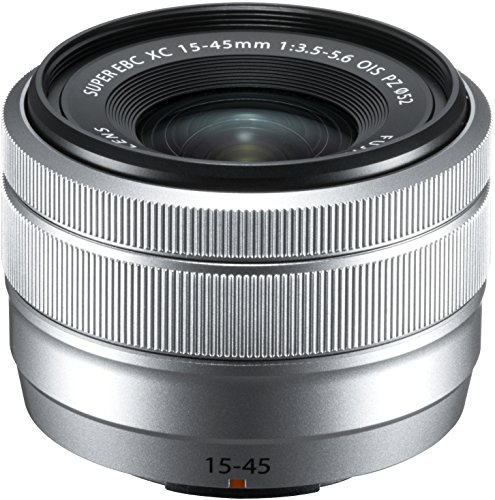
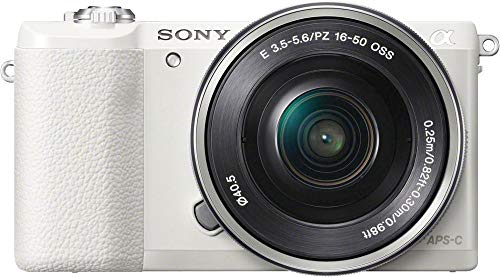
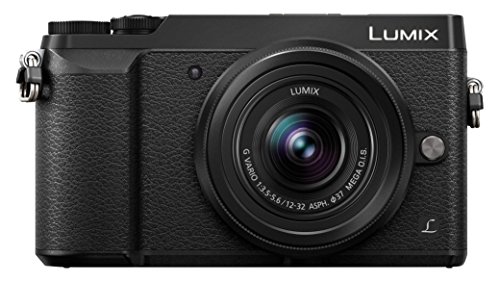
For most beginners, the best first mirrorless lens is the compact standard zoom sold with the camera. An APS-C 15–45 mm, 16–50 mm, or 18–55 mm lens and a Micro Four Thirds 12–32 mm or 14–42 mm lens cover wide-angle travel scenes, groups, everyday photographs, and short-telephoto portraits without requiring an immediate second purchase.
Prefer optical stabilization when the body does not have in-body image stabilization. Typical variable apertures of f/3.5–5.6 or f/3.5–6.3 keep the lens small but require higher ISO or slower shutter speeds indoors; stabilization reduces blur from camera movement, not blur from a moving child or pet.
After learning which focal lengths are used most, a bright prime is the most useful expansion. Roughly 23–35 mm on APS-C or 17–25 mm on Micro Four Thirds gives a natural general-purpose view, while a 50–56 mm APS-C or 42.5–45 mm Micro Four Thirds lens suits portraits. Check the exact mount, autofocus support, stabilization, size, and price before choosing the camera system, because lenses usually outlast the first body.

How much do mirrorless cameras for beginners cost?
New mirrorless cameras suitable for beginners generally cost about £400-£1,100 with a standard kit lens. The strongest entry-level APS-C and Micro Four Thirds kits commonly fall around £500-£900, where buyers can expect useful automatic modes, face or eye detection, 4K recording, wireless transfer, and a compact standard zoom.
At roughly £900-£1,400, cameras tend to add faster subject tracking, larger buffers, better electronic viewfinders, more direct controls, weather protection, in-body stabilization, or stronger video features. These improvements matter for action, low-light handheld work, and long-term growth, but a beginner does not need all of them for travel and family photography.
A full-frame body and basic zoom commonly moves the new-kit budget above about £1,300, and brighter full-frame lenses increase both cost and carrying weight. Full frame is worthwhile when low-light performance, shallow depth of field, or a specific professional lens is a real priority rather than simply an upgrade label.
Reserve part of the budget for an SD card with the required video speed class, a spare battery, a comfortable strap or small bag, and eventually a second lens. A balanced £690 kit with a useful lens is usually a better learning tool than a £1,000 body paired with no suitable everyday lens.
The following chart shows the price distribution for these cameras.
[vertical-chart-16276265486280933786118375880892052782304067036258]
What should you consider while choosing a mirrorless camera for beginners?
Consider the following factors while choosing a mirrorless camera for a beginner:
- Sensor format and resolution: APS-C sensors are typically about 23.5 × 15.6 mm, Micro Four Thirds measures 17.3 × 13 mm, and full frame measures 36 × 24 mm. Around 20–26 MP is sufficient for detailed prints and moderate crops; prioritize full frame only when its high-ISO and depth-of-field advantages justify larger, more expensive lenses.
- Lens mount and future lens costs: Confirm the exact native mount and price the standard zoom, a bright general-purpose prime, and any telephoto or macro lens likely to be added later. Canon RF, Nikon Z, Sony E, Fujifilm X, Micro Four Thirds, and L-mount lenses are not interchangeable without adapters, and adapted lenses can lose compactness or some autofocus performance. The lens system is a longer commitment than the first camera body.
- Autofocus coverage and subject detection: Look for phase-detection or a capable hybrid system with face and eye detection across a broad part of the frame. Verify whether human, animal, bird, or vehicle recognition works in stills, video, and continuous autofocus, because supported subjects and tracking speed can change by mode. For children, pets, and casual sports, test tracking with the intended kit lens rather than relying only on the number of focus points.
- Controls, viewfinder, and screen: A mode dial, exposure-compensation control, command dial, customizable quick menu, and touch focus make it easier to progress beyond Auto. An electronic viewfinder around 2.36 million dots is a useful entry baseline, while a tilting screen favors waist-level stills and a fully articulated screen is more flexible for vertical framing and self-recording. Check menu clarity and grip comfort in person when possible.
- Stabilization and low-light limits: In-body image stabilization can steady almost any mounted lens and is useful for static scenes and handheld video, while optical stabilization works only with supported lenses. Neither system freezes a moving subject, so indoor action still requires a faster shutter speed, brighter aperture, or higher ISO. If the body lacks IBIS, make sure the first zoom is stabilized unless minimum size is more important.
- Burst speed, shutter, and buffer: About 5–10 fps with continuous autofocus is enough for family activity and general travel, but the advertised electronic-shutter rate may introduce rolling-shutter distortion under fast movement or artificial light. Check how many RAW or JPEG frames the buffer holds and whether autofocus, live view, and full image quality remain available at the headline speed. A slower sustained burst can be more useful than a very fast mode that lasts only a moment.
- Video modes and recording crop: Verify the required resolution and frame rate, such as 4K at 25/30 fps for general use or 4K at 50/60 fps for smoother motion and slow-down options. Check for a crop, overheating or time limits, microphone input, autofocus behavior, stabilization crop, and whether the screen faces forward. Video features often vary more between similarly priced bodies than still-image quality does.
- Battery life and charging: A CIPA rating of about 300 shots is an acceptable minimum, while 400 shots or more provides more confidence for a day out. Burst shooting may exceed the rating, but video, Wi-Fi, cold weather, and frequent screen use can reduce it substantially. Confirm USB-C charging or power delivery support and budget for a spare battery when the charger cannot replenish the camera during use.

- Complete kit size and weight: Beginner mirrorless bodies often weigh roughly 350–550 g, but the lens can determine whether the system is genuinely portable. Compare the body with the intended standard zoom attached and include the battery, card, spare battery, and bag; a compact APS-C or Micro Four Thirds kit may stay below about 800 g, while a bright full-frame zoom can exceed the body weight by itself. The grip should still feel secure and balanced with the heaviest lens you realistically expect to use.