Which brands make the best cheap mirrorless cameras?
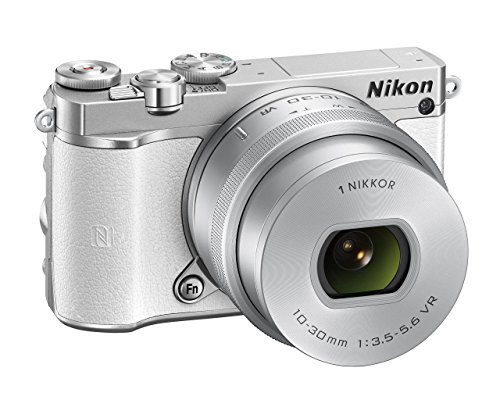
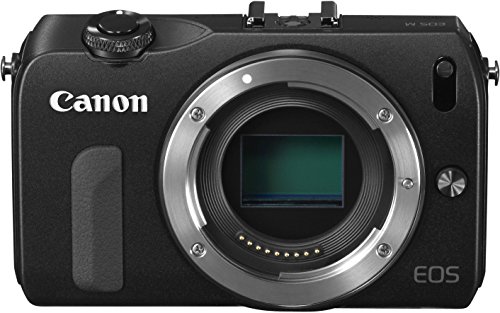
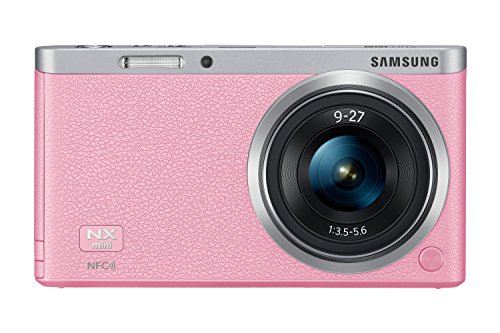
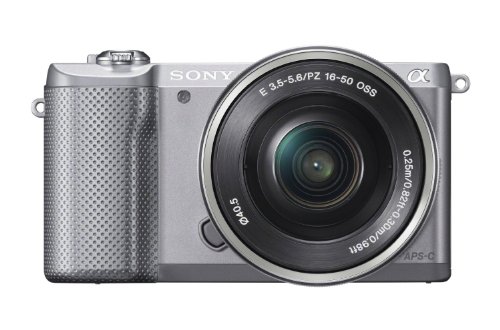
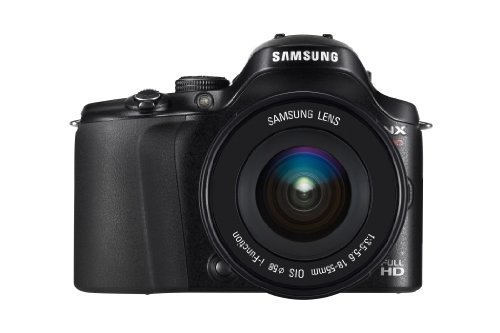
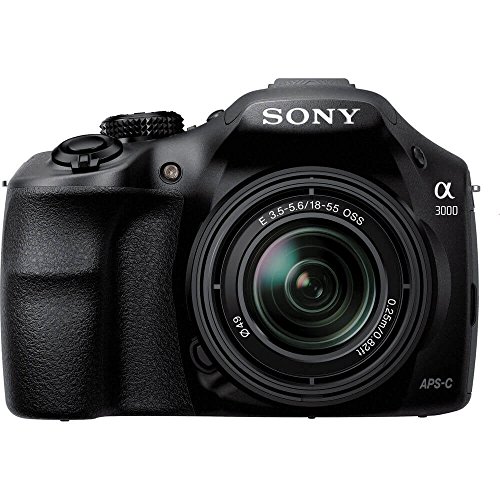
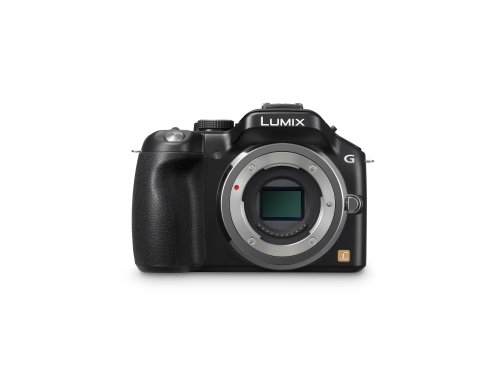
The leading cheap mirrorless camera brands are as follows:
- [shortcode-13090788942544398913077008246680461475362893051043] (Average overall score: [shortcode-05295790578251084794154088960574524414091193337683])
- [shortcode-13272863334554342133081516670428260515022701304021] (Average overall score: [shortcode-01879272601722528815142697305197418223730976227451])
- [shortcode-03001636173217688322064937486696254222680697325818] (Average overall score: [shortcode-11362320241082470076080330043413854542703551240425])
The chart below compares cheap mirrorless camera brands by average overall score.
[horizontal-chart-10970240220441599640123198181563894990370050206400]
What should you expect from cheap mirrorless cameras?
Cheap mirrorless cameras should deliver good APS-C or Micro Four Thirds image quality, interchangeable lenses, RAW capture, and useful subject-detection autofocus, although premium controls and high-end video modes are less common. Many affordable bodies provide roughly 20–26 MP, electronic viewfinders or tilting screens, and burst rates around 5–11 fps.
For everyday photography, travel, portraits, and family subjects, an inexpensive current model can outperform an older entry DSLR in autofocus coverage and video convenience. Expect 4K recording on many models, but check for crop factors, short recording limits, rolling shutter, and whether continuous autofocus remains reliable in the highest-quality mode.
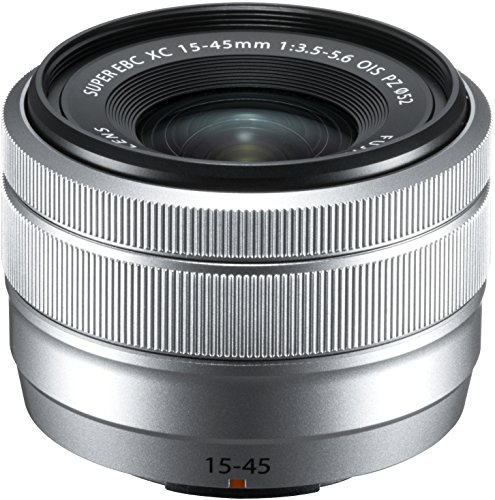
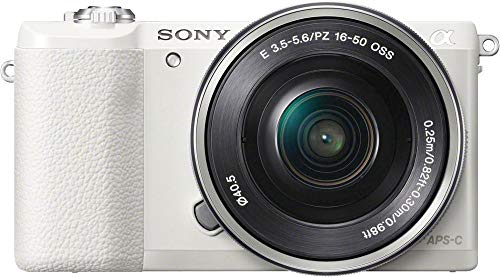
The complete kit matters more than the body alone. A compact body with a 15–45 mm, 16–50 mm, or 12–32 mm kit zoom is convenient and capable in daylight, while indoor work and background blur improve substantially with an affordable f/1.7–f/2 prime.
What compromises are common on cheap mirrorless cameras?
The most common compromises on cheap mirrorless cameras are as follows:
- No in-body stabilization: Many entry-level bodies rely on optical stabilization in selected lenses, so unstabilized primes and adapted lenses receive no shake correction. This matters most for slow-shutter stills and handheld video; stabilization cannot freeze a moving subject.
- Small batteries: Compact mirrorless batteries commonly provide roughly 300–450 shots under standardized testing, and heavy use of the electronic viewfinder, 4K video, wireless transfer, or cold weather can reduce that. Check whether USB charging or USB power is supported and budget for a spare battery if shooting all day.
- Simplified viewfinders and screens: The cheapest bodies may omit an electronic viewfinder or use a lower-resolution panel with modest magnification. A tilting screen helps waist-level photography, but a fully articulating touchscreen is more useful for self-recording and vertical compositions.
- Restricted 4K video: Affordable cameras may apply a crop, limit frame rates, overheat sooner, or use slower contrast-detection autofocus in certain recording modes. Verify 4K resolution, frame rate, recording duration, microphone input, and autofocus behavior together rather than relying on the 4K label alone.
- Modest controls and construction: One command dial, fewer custom buttons, plastic shells, and limited weather sealing are normal at lower prices. These designs suit casual use, but frequent rain, gloves, heavy lenses, or rapid manual exposure changes justify better handling and protection.
- Shallow buffers and reduced high-speed performance: A camera may advertise 10 fps or more but sustain that rate for only a brief RAW sequence or with focus locked. Check burst depth, continuous-autofocus support, shutter type, and rolling-shutter distortion before choosing a budget body for sport or wildlife.
Are used mirrorless cameras a better deal than cheap new ones?
A used mirrorless camera can be a better deal than a cheap new one when an older enthusiast body offers stronger controls, in-body stabilization, a better viewfinder, or weather sealing at a similar price. Roughly £220-£600 can cover many capable previous-generation APS-C or Micro Four Thirds bodies, while inexpensive new body-and-lens kits commonly start around £390-£860.
Condition and system support determine whether the saving is real. Inspect the sensor, lens mount, screen hinges, card slot, ports, battery compartment, and stabilization mechanism; test mechanical and electronic shutters, continuous autofocus, video recording, USB operation, and every control. Also confirm that batteries, chargers, firmware, RAW software support, and the lenses you need remain available.
Choose new for a warranty, predictable battery condition, current connectivity, and dependable returns. Choose used when the seller permits testing or returns and the older body adds a feature you will actually use, but include the cost of a replacement battery, charger, sensor cleaning, and the correct lens in the comparison.
What lenses are common on cheap mirrorless cameras?
The most common affordable mirrorless lenses are as follows:
- Compact kit zoom: APS-C kits often include a 15–45 mm or 16–50 mm lens, while Micro Four Thirds kits commonly use 12–32 mm or 14–42 mm. These retractable f/3.5–5.6 zooms cover everyday wide-angle through short telephoto views, but their small maximum apertures limit low-light work and background blur.
- Bright normal prime: Lenses around 23–35 mm on APS-C or 17–25 mm on Micro Four Thirds produce a natural everyday perspective. An f/1.4–f/2 aperture gathers much more light than a kit zoom, although primes require moving or changing lenses to change framing.
- Portrait prime: A 50–56 mm APS-C lens or 42.5–45 mm Micro Four Thirds lens gives flattering working distance and strong subject separation. Affordable f/1.7–f/2 versions are usually compact, but check autofocus speed and whether optical stabilization is included when the body lacks it.
- Consumer telephoto zoom: Common ranges include 50–200 mm, 55–210 mm, and 40–150 mm, providing useful reach for outdoor sport, wildlife, and compressed landscapes. Lower-cost versions are often f/4–5.6 or slower, so optical stabilization and good daylight are important at the long end.
- Ultra-wide or travel zoom: Lenses such as 10–20 mm, 10–18 mm, 12–24 mm, or broader 18–135 mm travel zooms expand the system beyond the starter lens. Confirm the exact mount and sensor format, because lenses cannot be exchanged freely among Canon RF, Nikon Z, Sony E, Fujifilm X, and Micro Four Thirds systems without major limitations.
What should you consider while choosing a cheap mirrorless camera?
Consider the following factors while choosing a cheap mirrorless camera:
- Complete system cost: Compare the body, intended lens, battery, charger, memory card, microphone adapter, and any mount adapter you actually need. A £560 kit can be better value than a £390 body if the latter needs a £200-£300 lens before it covers the same focal range.
- Sensor format and resolution: APS-C and Micro Four Thirds are the usual affordable choices, with crop factors of roughly 1.5× or 1.6× and 2× respectively. Around 20–26 MP is sufficient for detailed prints and moderate cropping, so prioritize sensor performance, autofocus, and lenses over a small resolution difference.
- Lens mount and affordable lens range: Confirm the exact mount, because Sony E, Fujifilm X, Canon RF, Nikon Z, and Micro Four Thirds lenses are not directly interchangeable. Price the next prime, telephoto, or ultra-wide lens now; a low-cost body can become poor value if the needed native lens is unavailable or expensive.
- Autofocus modes and coverage: Look for phase-detection or hybrid autofocus with dependable face and eye detection across much of the frame. Test or review continuous tracking for the subject you shoot, since animal, vehicle, and video autofocus support can differ by model, lens, frame rate, and firmware.
- Stabilization: Determine whether the body has in-body image stabilization, relies on optical stabilization in selected lenses, or combines both. Stabilization helps static subjects and handheld video at slower shutter speeds, but children, pets, and sport still require a sufficiently fast shutter and responsive autofocus.
- Burst rate, buffer, and shutter behavior: A quoted 10–15 fps rate is useful only if continuous autofocus, exposure updates, and acceptable image quality remain active. Check RAW buffer depth, recovery time, mechanical versus electronic shutter limits, and rolling-shutter distortion before relying on the camera for action.
- Video implementation: Verify 4K frame rates, crop factor, autofocus performance, recording limits, overheating behavior, microphone input, and screen articulation. Some affordable cameras provide sharp 4K at 24–30p but apply a substantial crop or lose their best subject tracking in certain modes.
- Viewfinder, screen, and handling: Decide whether you need an electronic viewfinder, a tilting screen, or a fully articulating touchscreen, and check grip depth with the intended lens. One control dial and menu-based settings are acceptable for casual use but slow down manual exposure changes and fast-moving work.
- Battery, charging, and connectivity: Battery endurance around 300–450 standardized shots is common, with video, wireless transfer, cold weather, and frequent screen use reducing it. Confirm USB-C charging or power support, spare-battery availability, Wi-Fi and Bluetooth behavior, and compatibility with the current mobile app.