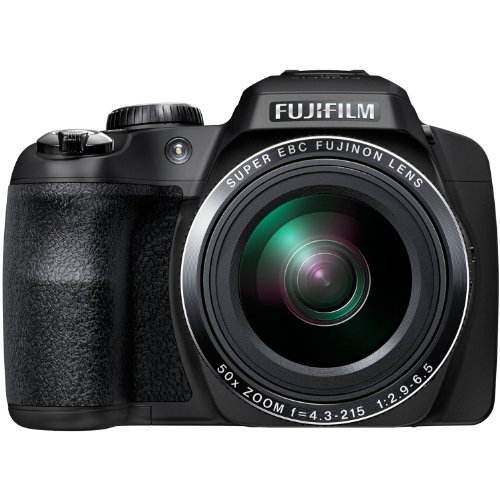
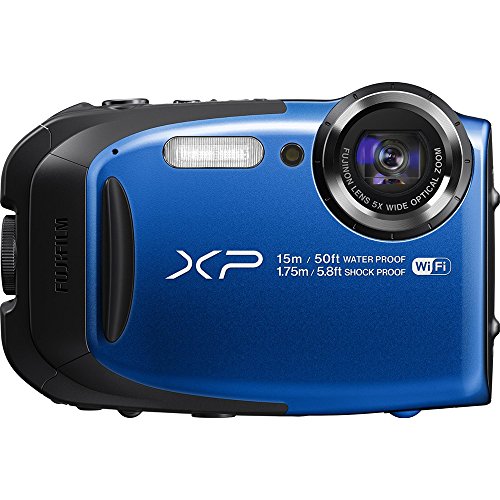
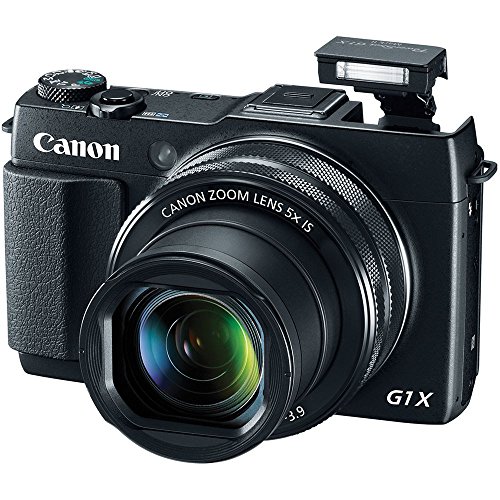
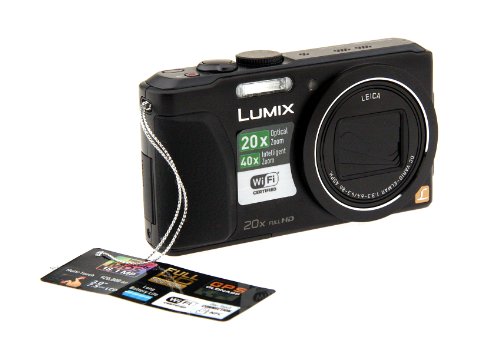
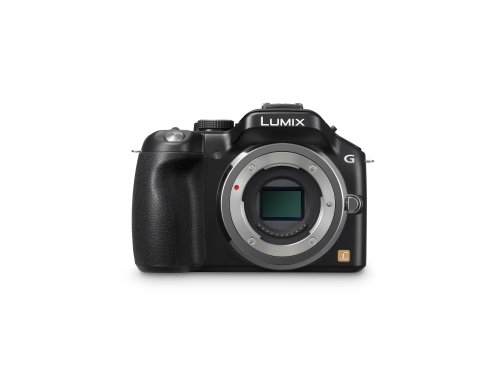
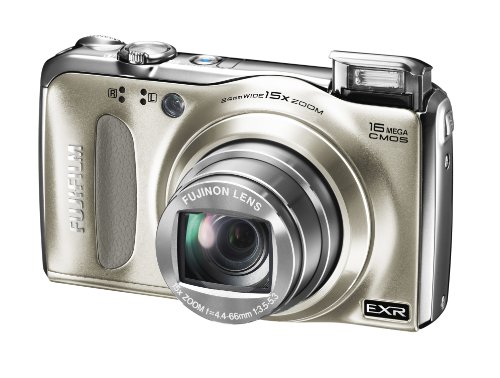
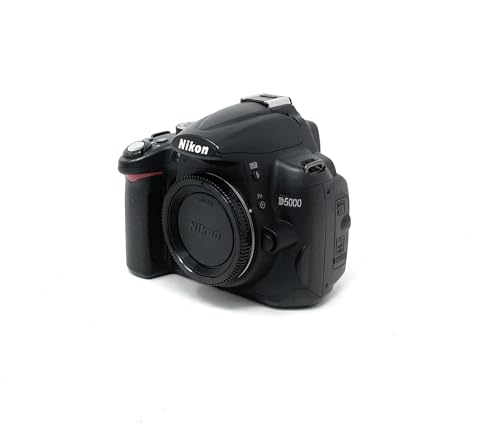
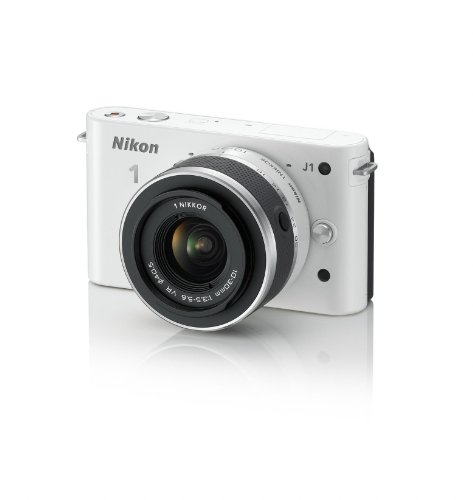
Which brands make the best cheap cameras?
The leading cheap camera brands are as follows:
- [shortcode-02172934955103926844032504375511597923241347717848] (Average overall score: [shortcode-16765832746487388265078299162998565582194217609567])
- [shortcode-14258738589921509497118174346942865737943854402935] (Average overall score: [shortcode-08218120909486077628010345113738015553763486664473])
- [shortcode-02252954028718849495155915344106141472202999087501] (Average overall score: [shortcode-08001108873598266237054548172716624839684157014083])
The chart below compares cheap camera brands by average overall score.
[horizontal-chart-00654957192202949022005790859903639472622364874868]
What should you expect from cheap cameras?
Cheap cameras can provide attractive daylight photos, simple automatic operation, and more optical flexibility than a phone when the lens offers genuine zoom. Under £170, the strongest options are usually designed around a specific priority such as pocketability, long reach, waterproofing, instant prints, or basic interchangeable-lens photography rather than trying to excel at everything.
Expect compact controls and mostly small sensors in new fixed-lens models. Resolution often falls around 12–20 MP, which is sufficient for social sharing and ordinary prints when focus and light are good, but the megapixel count does not compensate for a dim lens, weak processing, or camera shake.
Performance is generally best outdoors or in bright interiors. Autofocus is usually dependable for people and static subjects, while fast sport, moving animals, clean night photos, extensive RAW editing, and advanced 4K video are more likely to expose the limits of the price class.
What compromises are common on cheap cameras?
The most common cheap-camera compromises are as follows:
- Small image sensors: Many inexpensive compacts use a 1/2.3-inch sensor measuring about 6.2 × 4.6 mm. It keeps the body and zoom lens small, but produces more noise and less highlight recovery than 1-inch, Four Thirds, or APS-C formats.
- Dimmer lenses: A zoom may begin around f/3.0–3.5 and fall to f/5.9–6.5 at full telephoto. The camera then needs a slower shutter or higher ISO in poor light, increasing blur or noise.
- Basic autofocus: Single-point and face-detection autofocus can work well for posed people and everyday scenes, but tracking fast action is less reliable. Burst rates and buffers are also commonly too limited for long sports sequences.
- Limited manual control: Entry models may omit RAW capture, a control dial, manual focus aids, or full aperture and shutter control. This is acceptable for automatic snapshots but restrictive for learning photography or recovering difficult exposures.
- Modest screens and viewfinders: A 2.7–3.0-inch fixed screen is common, and many pocket cameras have no electronic viewfinder. Framing in strong sunlight and shooting from low or high angles can therefore be awkward.
- Simplified video and connectivity: Full HD is still common at this price, while inexpensive 4K modes may have a crop, low frame rate, weak stabilization, or short recording limit. Wi-Fi and Bluetooth can also be absent or dependent on an outdated companion app.

How good is image quality on cheap cameras?
Image quality on a good cheap camera is usually satisfactory in daylight and for ordinary small prints, but it is less consistent in low light or high-contrast scenes. A 12–20 MP camera can record plenty of detail for social media and prints around A4 size when the lens is sharp, focus is accurate, and the shutter speed is fast enough.

Most fixed-lens choices below £170 use a small 1/2.3-inch or similarly compact sensor. At base ISO they can produce crisp, colorful JPEGs, but fine texture often becomes smeared as sensitivity rises toward ISO 800–1600, and bright skies are easier to clip than on a larger sensor. Optical stabilization helps static scenes by allowing a slower shutter, but it cannot freeze a moving child, pet, or athlete.
A cheap camera makes most sense when its lens or physical design offers something a phone cannot, such as a true 10×–40× optical zoom, waterproof housing, an optical viewfinder, or interchangeable lenses. For indoor family photos, night scenes, or strong background blur, a larger-sensor entry camera with a reasonably bright lens is preferable to a pocket model selected only for megapixels.
How much zoom is common on cheap cameras?
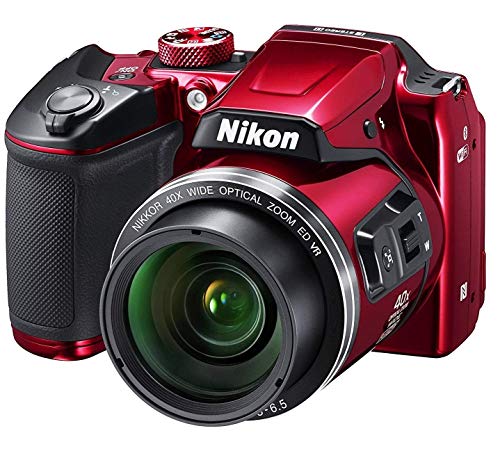
Cheap fixed-lens cameras commonly offer about 3×–10× optical zoom in pocket bodies, while larger bridge-style models can reach roughly 20×–40× or more. The equivalent focal length is the more useful specification: a range near 24–120 mm covers groups, travel, and portraits, whereas 24–600 mm or longer provides meaningful reach for wildlife, aircraft, and distant details.
Long zoom does not automatically mean better pictures. Budget lenses often become much dimmer at full telephoto, commonly around f/5.9–6.5, so the camera raises ISO or uses a slower shutter just when magnification makes shake more visible. Optical stabilization is therefore important, but distant moving subjects still need good light and a suitably fast shutter speed.
Ignore digital zoom when comparing models because it crops and enlarges the image rather than adding optical detail. Check the widest and longest equivalent focal lengths, the aperture at both ends, stabilization, and minimum focusing distance; a well-balanced 5× or 10× lens can be more useful than an extreme zoom that is soft or difficult to hold steady.
What features are common on cheap cameras?
Common cheap-camera features are as follows:
- Automatic shooting modes: Scene recognition, face detection, portrait, night, sport, panorama, and macro modes reduce the need to set exposure manually. They are useful for beginners, though the camera may apply stronger sharpening and noise reduction than an experienced user would choose.
- Optical image stabilization: Lens-shift or sensor-shift stabilization helps reduce hand shake for static subjects and telephoto framing. Electronic stabilization may crop the image and is not an equal substitute for optical stabilization in still photography.
- Built-in flash: A small pop-up or front flash can brighten nearby people indoors or outdoors. Its limited power and close position to the lens can create harsh light and red-eye, so it is best treated as fill light rather than room illumination.
- Full HD video: Recording at 1920 × 1080 and 25–30 fps is common, with some models adding 50–60 fps or basic 4K. Verify autofocus behavior, clip limits, stabilization, and audio quality because the resolution label alone says little about usable video.
- SD-card storage and USB charging: Most cameras use SD, SDHC, or SDXC cards, while some small or action models use microSD. USB charging is convenient, but budget models may still require a separate charger or use older Micro-USB connections.
- Wireless sharing: Wi-Fi, Bluetooth, or both may support image transfer and remote control. Compatibility with the current version of Android or iOS matters more than the logo on the box, particularly for camera models whose apps are no longer actively maintained.
What should you check before buying a cheap camera?
Before buying a cheap camera, consider the following factors:
- Camera type and intended use: Decide first whether you need a pocket compact, long-zoom bridge camera, waterproof model, action camera, instant camera, or an interchangeable-lens body. A £130 compact may be convenient for travel, while a similarly priced bridge camera trades pocketability for reach and an entry system camera may require a separate lens. Check that the design solves a real need better than the phone you already carry.
- Sensor size and realistic resolution: Many cheap fixed-lens cameras use a 1/2.3-inch sensor of roughly 6.2 × 4.6 mm, while larger-sensor bargains may use 1-inch, Four Thirds, or APS-C formats. Around 12–20 MP is enough for everyday photos and A4 prints, but a larger sensor generally preserves texture and highlights better at ISO 800 and above. Do not pay extra for 40 MP or 48 MP marketing claims without checking the true sensor format and independent sample images.
- Optical zoom and lens brightness: Compare equivalent focal length rather than the zoom multiplier alone; approximately 24–120 mm is versatile for daily use, while 24–600 mm or longer suits distant subjects. Check the aperture at both ends because a lens that changes from f/3.3 to f/6.5 becomes much harder to use indoors or at full zoom. Digital zoom merely crops the image, so it should not influence the buying decision.
- Stabilization and autofocus: Prefer optical lens or sensor stabilization for handheld stills and telephoto shooting, and verify whether stabilization also works during video. Face detection is sufficient for posed people, but children, pets, and sport benefit from continuous autofocus, subject tracking, and a burst mode of at least about 5 fps. Read whether focus and exposure remain active during a burst, because some budget cameras lock both on the first frame.
- Screen, viewfinder, and controls: A 3-inch screen is easier to compose and review than a 2.7-inch panel, but brightness and viewing angle matter outdoors. If there is no electronic or optical viewfinder, confirm that the rear display remains visible in sunlight; tilting screens are uncommon below £170 but valuable for low-angle photos and self-recording. Also look for a dedicated exposure-compensation control or physical mode dial if you want to move beyond fully automatic shooting.
- Photo formats and video modes: JPEG-only capture is adequate for casual use, while RAW gives much more flexibility to correct white balance, shadows, highlights, and noise. Full HD at 25–30 fps is a sensible minimum; for 4K, check whether the mode is limited to 15 fps, heavily cropped, electronically stabilized, or restricted to short clips. Continuous video autofocus, microphone quality, and heat or recording limits often matter more than the 4K label.
- Battery, charging, and memory cards: Small cameras commonly manage roughly 200–350 CIPA-rated shots, with flash, Wi-Fi, cold weather, and video reducing real endurance. Confirm whether charging uses USB-C, Micro-USB, or a separate external charger and whether the camera can operate while connected to power. Check the exact card format and capacity limit as well, since some inexpensive or older designs accept only SDHC or require microSD rather than full-size SDXC.
- Connectivity, durability, and support: Verify that Wi-Fi or Bluetooth works with the current Android or iOS app and can transfer full-resolution files, not only small previews. For travel or outdoor use, look for a stated waterproof depth, dust rating, shock rating, and operating-temperature range rather than assuming a rugged appearance means real protection. Confirm that replacement batteries, cables, manuals, firmware, and compatible accessories are still readily available.