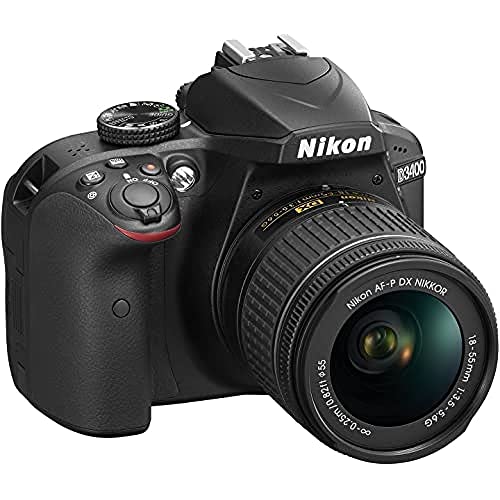
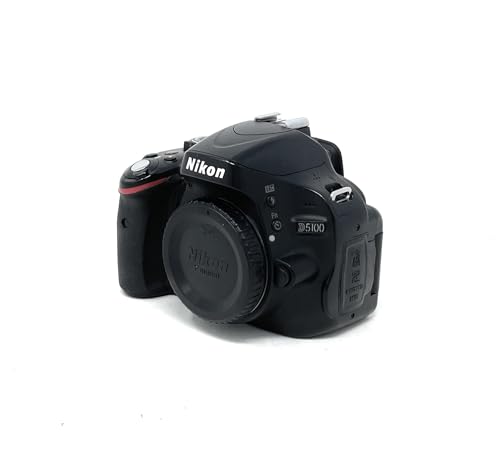
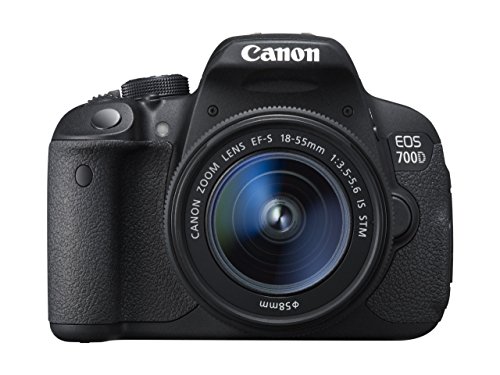
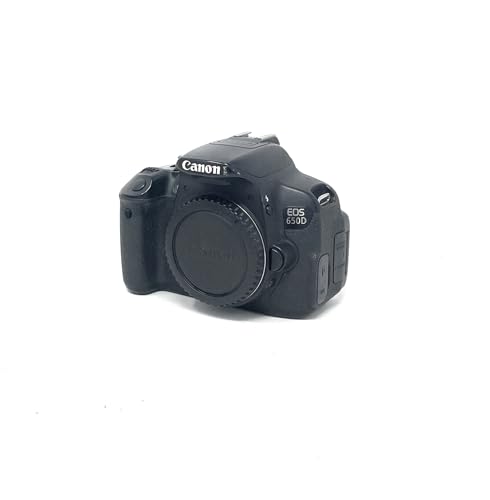
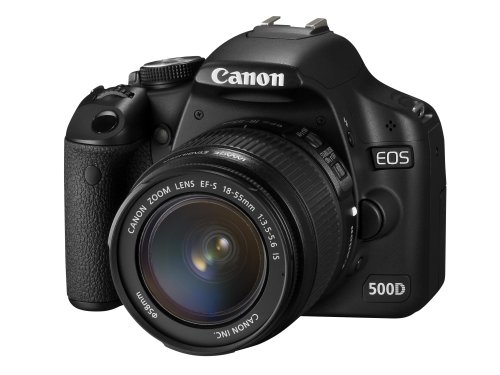
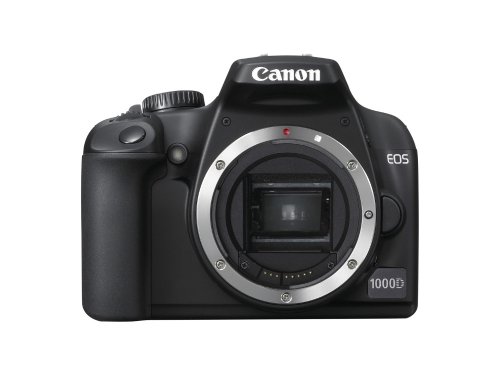
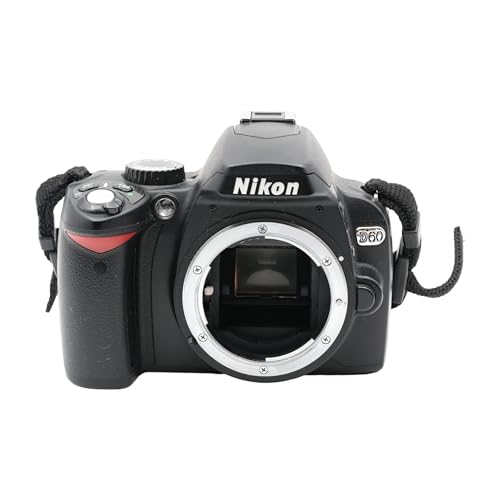
Which brands make the best cheap DSLR cameras?
The leading cheap DSLR camera brands are as follows:
- [shortcode-02919054874131048351162098030355404377511289078725] (Average overall score: [shortcode-12759608460361010158017290570745825516720612004707])
- [shortcode-07703687126727070005091714651222295904543173419912] (Average overall score: [shortcode-03891760297407538293056574456442811442061667876424])
- [shortcode-08997241080392267865070199787118850299393827440900] (Average overall score: [shortcode-05707075199737226321080055797600530619621938784271])
The chart below compares cheap DSLR camera brands by average overall score.
[horizontal-chart-04632030377048955102093726791590115551950003076127]
What should you expect from cheap DSLR cameras?
Cheap DSLR cameras should provide strong APS-C still-image quality, an optical viewfinder, RAW capture, and access to affordable interchangeable lenses, even if their controls and video features are basic. A realistic budget model often has about 18–24 MP, a burst rate near 3–5 fps, and a simple phase-detection autofocus system that works best with central subjects and moderate movement.
Expect the best results in daylight, portraits, landscapes, and deliberate photography rather than fast professional action. The larger sensor generally gives cleaner high-ISO files and more natural background blur than a small-sensor compact, while the optical viewfinder remains clear and responsive without consuming much battery power.
Low price rarely includes a premium lens. Most entry packages use an 18–55 mm f/3.5–5.6 zoom, which is useful for everyday photos but becomes dim toward the long end; adding a 50 mm f/1.8 prime or stabilized telephoto often improves the system more than paying for a slightly newer body.
What compromises are common on cheap DSLR cameras?
The most common compromises on cheap DSLR cameras are as follows:
- Basic autofocus coverage: Entry bodies may have roughly 9–39 viewfinder autofocus points, often clustered near the center with only a few cross-type points. This is adequate for portraits and casual movement but makes off-center tracking and erratic sport harder.
- Slow continuous shooting and shallow buffers: Budget DSLRs commonly manage about 3–5 fps and may slow after only a short RAW burst. JPEG sequences usually last longer, but neither the headline frame rate nor the buffer should be assumed to suit sustained action.
- Limited live view and video: Many affordable models record 1080p, while 4K may be absent, heavily cropped, or paired with hesitant continuous autofocus. An optical-viewfinder DSLR can therefore be excellent for stills yet inconvenient for handheld video, self-recording, or smooth subject tracking on the rear screen.
- Simple screens and controls: Fixed 3-inch displays, one command dial, and fewer direct-access buttons are common. Check whether the screen articulates or supports touch input, because menu-driven settings become frustrating when shooting from low angles or changing exposure quickly.
- Modest construction: Lower-cost bodies generally use more plastic, simpler sealing, and smaller optical viewfinders than enthusiast models. They are usually durable enough for normal use, but frequent rain, dust, cold, or heavy lenses justify a stronger body and careful handling.
- Older connectivity and charging: Wi-Fi, Bluetooth, GPS, and USB charging are inconsistent, especially on earlier models. Confirm that the companion app still supports current phones and that replacement batteries and a compatible external charger remain easy to obtain.
Are used DSLR cameras a better deal than cheap new ones?
A used DSLR is often a better deal than a cheap new one when still-image quality, viewfinder shooting, and lens choice matter more than modern video or wireless features. Roughly £130-£430 can buy an older enthusiast APS-C body or an early full-frame model with stronger controls and construction than a new entry-level camera, while new basic bodies and kits are more commonly around £400-£900.
The trade-off is condition and support. Check the shutter count against the model’s expected life, inspect the sensor and lens mount, test every autofocus point, dial, card slot, flash, and connection, and confirm that the battery holds charge; a worn shutter, failing stabilization unit, or damaged LCD can erase the saving. Also verify that RAW files are supported by your current software and that compatible batteries and repairs remain available.
Buy new when a warranty, predictable condition, current software compatibility, or a complete kit matters most. Buy used when the seller permits thorough testing or returns and the lower body cost leaves room for a better lens, because a sound older body with a sharp stabilized lens is often more useful than the newest basic body with the weakest kit zoom.
What lenses are common on cheap DSLR cameras?
The most common affordable DSLR lenses are as follows:
- 18–55 mm kit zoom: On an APS-C DSLR, this covers everyday wide-angle to short-telephoto views and is usually the least expensive way to start. Typical f/3.5–5.6 apertures are adequate outdoors, but optical stabilization is valuable indoors because the lens becomes dimmer as it zooms.
- 55–200 mm, 55–250 mm, or 70–300 mm telephoto zoom: These lenses add reach for field sports, wildlife, and distant details without professional-telephoto prices. Check whether stabilization and an autofocus motor are built in, because older or cheapest versions may focus slowly or lose autofocus on certain bodies.
- 50 mm f/1.8 prime: This inexpensive bright lens is useful for portraits and low light, producing stronger background blur than a kit zoom. On APS-C it frames like roughly 75–80 mm equivalent, so it is often too tight for groups or small rooms.
- 10–20 mm or 10–18 mm ultra-wide zoom: An APS-C ultra-wide lens suits interiors, architecture, and broad landscapes. Confirm that the lens matches the camera mount and sensor format; an APS-C-only design normally does not cover a full-frame sensor correctly.
- 18–105 mm, 18–135 mm, or 18–140 mm travel zoom: A broader-range zoom reduces lens changes and covers everyday subjects through portraits and moderate distance. It is larger and usually remains around f/5.6 at the long end, so convenience comes with weaker low-light performance and less background blur than a bright prime.
What should you consider while choosing a cheap DSLR camera?
Consider the following factors while choosing a cheap DSLR camera:
- Complete system price: Compare the body, lens, battery, charger, memory card, and any adapter or flash you actually need, not only the advertised body price. A £430 kit can be better value than a £300 body if the latter requires a £130-£220 lens and replacement accessories before it is usable.
- Sensor format and resolution: APS-C is the usual budget choice and provides a good balance of image quality, lens cost, and reach; Canon APS-C has about a 1.6× crop factor, while Nikon and Pentax are commonly around 1.5×. Roughly 18–24 MP is enough for detailed A4 prints and moderate cropping, so prioritize high-ISO quality, autofocus reliability, and a suitable lens over a small resolution difference.
- Lens mount and autofocus compatibility: Confirm the exact mount and whether the body includes the focus motor or electronic contacts required by the intended lenses. Canon EF-S, Nikon DX, and Pentax DA lenses target APS-C bodies, but older Nikon AF/AF-D lenses, Canon EF-S lenses on full frame, and third-party variants can have important autofocus or coverage limits.
- Viewfinder autofocus: Check the number, spread, and type of autofocus points rather than assuming every DSLR focuses equally well. A 9-point system can handle static subjects, but wider coverage, more cross-type points, and dependable continuous AF are more useful for children, pets, or sport; test live-view focus separately because it may be much slower.
- Burst rate and buffer: About 3–5 fps is adequate for casual sequences, while regular action benefits from 6 fps or more and a buffer that does not stall after a few RAW files. Verify the sustained rate with the chosen file type and card, since continuous autofocus, RAW depth, or slow media can reduce real performance.
- Lens stabilization and low-light capability: Many Canon and Nikon DSLRs rely on stabilization in the lens, marked IS or VR, whereas many Pentax bodies stabilize the sensor. Check the exact body-and-lens combination and the lens aperture; stabilization helps camera shake on static subjects but does not freeze movement, for which a brighter f/1.8–2.8 lens and faster shutter are more useful.
- Screen, video, and connectivity: Decide whether a fixed screen and 1080p video are sufficient, or whether you need an articulated touchscreen, microphone input, 4K, reliable live-view autofocus, Wi-Fi, or Bluetooth. These features vary sharply among inexpensive bodies, and a low-cost mirrorless camera may be the better choice when video or self-recording is a priority.
- Battery and storage support: DSLR battery ratings commonly range from roughly 500 to more than 1,000 shots through the optical viewfinder, but live view, video, wireless transfer, and cold conditions reduce endurance. Confirm the battery model, charger, SD or CompactFlash card type, maximum supported card capacity, and availability of reliable replacements.
- Size, handling, and future lenses: Budget DSLR bodies often weigh around 450–700 g before the lens, so test the complete kit and check grip depth, viewfinder comfort, control dials, and balance. Also verify that affordable compatible lenses exist for the next subject you expect to shoot; an inexpensive body is poor value if the required wide-angle or telephoto lens is scarce or costly.