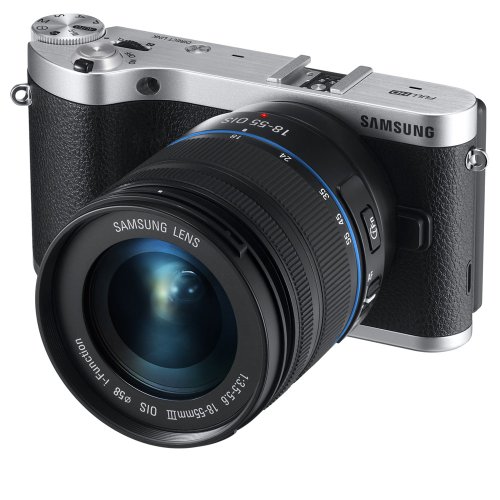
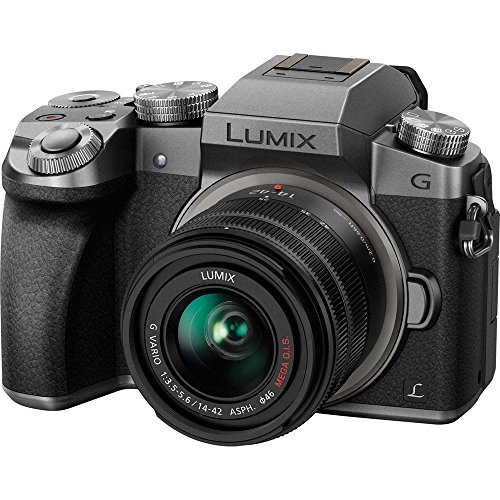
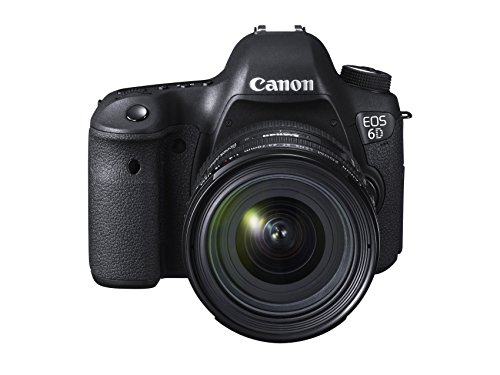
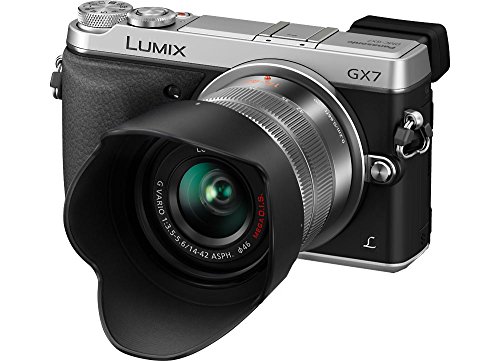
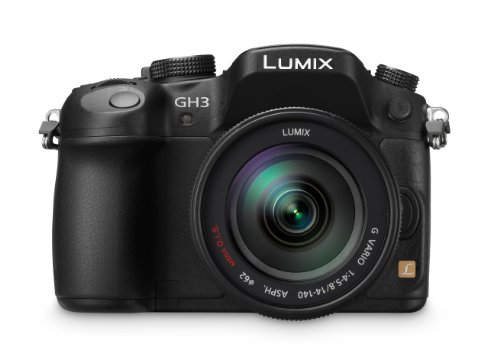
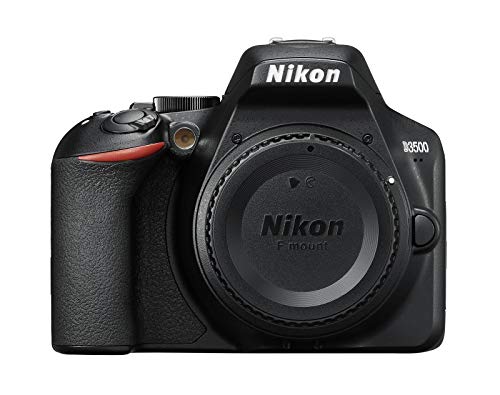
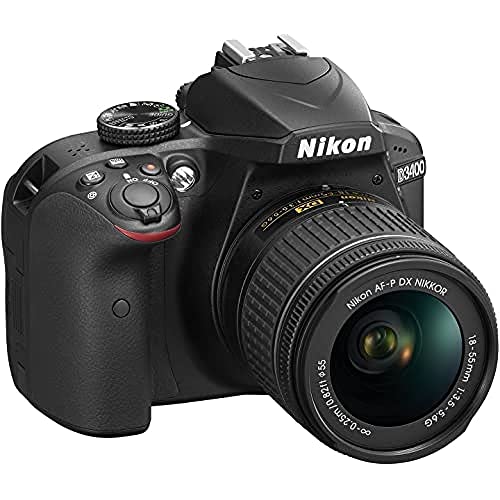
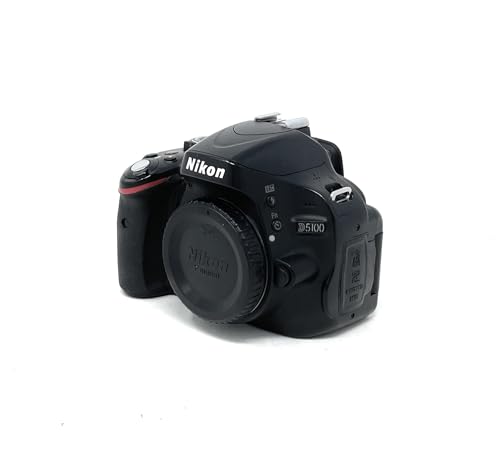
Which brands make the best cameras under £860?
The leading camera brands under £860 are as follows:
- [shortcode-00970823364483167414060902908081663488081652771384] (Average overall score: [shortcode-01916576560006812546170216679394592106310510234965])
- [shortcode-09228303269173832156028799307869531739570911297543] (Average overall score: [shortcode-14942507964575308241030046556122612164853851918556])
- [shortcode-16319063518033049346129506145421131431443408312939] (Average overall score: [shortcode-07242475424493065651117113111268447315921763489044])
The chart below compares camera brands under £860 by average overall score.

[horizontal-chart-15024723790251915044051813295737987580993581684488]
What should you expect from cameras under £860?
Cameras under £860 can deliver enthusiast-level still-image quality, responsive autofocus, useful RAW bursts, and genuinely capable 4K video. This budget includes many APS-C and Four Thirds mirrorless bodies, well-equipped DSLRs, premium compacts, long-zoom bridge cameras, and discounted or older full-frame models.
Compared with the under-500 class, phase-detection autofocus, RAW capture, touchscreens, microphone inputs, better viewfinders, and faster mechanical bursts become much more common. Sensor-shift stabilization is available on selected models rather than universal, and the best implementation may depend on whether the buyer prioritizes handheld stills or stabilized video.
Expect the strongest value around a clear use case. Travel photographers may prefer a compact body with a 16–80 mm or 18–135 mm-class zoom, portrait photographers benefit more from a bright 35/50/85 mm prime, and action photographers should prioritize tracking and buffer depth. The £860 ceiling is enough for a strong camera, but not always for a strong body and every desired lens.
The following chart shows how camera prices are distributed within the £860 limit.
[vertical-chart-04650919904156684232093373859478918281650521574164]
What compromises are common on cameras under £860?
The most common compromises on cameras under £860 are as follows:
- Body-only pricing: Attractive specifications may fit the limit only before a useful lens is added. A higher-end body with a basic kit zoom can be less effective than a cheaper body paired with better optics.
- Selective weather protection: Some models seal the body but require a sealed lens to complete the system, while others provide no formal protection. Weather resistance should not be assumed from a metal body or premium appearance.
- Inconsistent stabilization: Sensor-shift stabilization is available in this range but not standard, and its rating can change with focal length or video mode. Cameras without it depend on stabilized lenses or electronic cropping.
- Limited sustained action performance: Headline bursts of 10–20 fps may use electronic shutter, reduced bit depth, fixed exposure, or a shallow buffer. Mechanical speed, RAW depth, card type, and buffer-clearing time should be checked separately.
- Midrange video restrictions: 4K may be limited to 30 fps, use a crop, overheat, or lack 10-bit internal recording and headphone monitoring. Faster 4K/60p and professional codecs remain model-specific.
- Single-card designs: Most cameras below £860 use one SD slot, often UHS-I on older models. This is sufficient for general use but provides no immediate backup and can slow long RAW bursts.
- Smaller controls or viewfinders: Compact bodies may use one command dial, fewer custom buttons, or a modest electronic viewfinder. Handling can become uncomfortable with large lenses even when image quality is excellent.
Are used cameras a better deal than new cameras under £860?
A used camera can offer more body for the money under £860, including older full-frame sensors, deeper grips, dual dials, stronger weather sealing, or professional controls. This can be an excellent route for portraits, landscapes, studio work, and general still photography when the required lenses remain affordable.
A new camera is often the better choice for moving subjects and hybrid use. Recent bodies tend to provide wider phase-detection coverage, eye or subject recognition, more reliable video autofocus, USB charging, current wireless apps, and less uncertainty about battery and shutter wear. An older flagship does not automatically outperform a newer midrange body in tracking or video.
Used savings should leave room for maintenance and the actual lens. Check shutter count, sensor condition, card slots, stabilization, viewfinder, ports, hot shoe, battery health, and compatibility with current software and accessories. For discontinued mounts, confirm that the lens selection and repair support will remain practical before treating the lower body price as a bargain.
How good is image quality on cameras under £860?
Image quality on cameras under £860 can be excellent and is sufficient for demanding prints, commercial web work, portraits, travel, and serious hobby photography. APS-C and Four Thirds cameras around 20–33 MP offer a strong balance of detail, lens size, autofocus, and price, while selected full-frame options improve high-ISO cleanliness and depth-of-field control.
The practical difference depends on the lens and exposure. A sharp 24 MP APS-C camera with a bright prime can resolve more useful subject detail than a 30 MP full-frame body paired with a weak or unsuitable zoom. RAW files provide greater highlight recovery and color control, but accurate focus and a fast enough shutter remain essential.
At ISO 3200–6400, recent larger-sensor cameras can retain good color and texture for indoor events, while small-sensor long-zoom models show stronger noise reduction and less editing latitude. Those bridge and compact cameras can still be the better tool when their built-in lens supplies reach that an interchangeable-lens kit cannot provide within the same budget.
For most buyers, dynamic range, autofocus accuracy, stabilization, and lens quality matter more than chasing maximum resolution. High-megapixel files also demand sharper lenses, faster cards, more storage, and more processing power.
What lens or zoom options are common on cameras under £860?
Common lens and zoom options under £860 are as follows:
- Standard kit zooms: Lenses such as 14–42 mm, 15–45 mm, 16–50 mm, and 18–55 mm keep the initial package affordable and cover everyday wide-angle to short-portrait use. Their variable f/3.5–5.6-class apertures are less suitable for dim interiors or strong background blur.
- Extended travel zooms: A 14–140 mm, 16–80 mm, 18–105 mm, or 18–135 mm-class lens reduces lens changes and covers landscapes through moderate telephoto. Check size, long-end aperture, and distortion correction because convenience usually costs some brightness or optical consistency.
- Bright normal primes: A 25 mm, 30/35 mm, or 50 mm f/1.4–1.8 lens is one of the most effective upgrades for low light, portraits, and subject separation. Match focal length to sensor crop and working distance rather than buying by aperture alone.
- Portrait primes: Affordable 42.5 mm, 50/56 mm, or 85 mm lenses can provide flattering perspective and shallow depth of field. Eye-detection autofocus and comfortable working distance matter as much as maximum aperture.
- Entry telephoto zooms: A 40–150 mm, 55–200 mm, 55–250 mm, or 70–300 mm lens suits outdoor sport, wildlife, and travel details. Budget versions are typically f/4–6.3 and benefit from good light and optical or sensor stabilization.
- Premium fixed-lens and bridge options: Some cameras under £860 include a bright 1-inch-sensor zoom or an extreme 20×–60× bridge lens. They avoid future lens purchases but lock the buyer into the supplied focal range, aperture, and sensor.
What features are common on cameras under £860?
Common features on cameras under £860 are as follows:
- RAW capture and manual exposure: These are standard on serious interchangeable-lens bodies and premium compacts. RAW provides greater control over highlights, white balance, and noise than JPEG alone.
- Phase-detection and subject recognition: Many newer models offer face and eye detection, with selected cameras recognizing animals, birds, or vehicles. Tracking quality and available modes still differ significantly between systems.
- Mechanical bursts around 5–15 fps: This range is useful for children, pets, travel action, and some sport. Buffer depth and card speed determine whether the rate can be sustained in RAW.
- 4K video and microphone input: Both are common, particularly near the upper end of the budget. Check oversampling, crop, autofocus, frame rate, recording duration, and whether the screen remains fully articulated with cables connected.
- Touchscreen and articulated display: Touch focus and tilting screens are widely available, while a fully side-hinged screen is more model-dependent. Screen design should match stills, tripod, or self-recording use.
- Electronic viewfinder and custom controls: Mirrorless and bridge cameras often include an EVF, while DSLRs use an optical finder. Magnification, refresh rate, blackout, and the number of direct controls separate basic from enthusiast handling.
- Wi-Fi, Bluetooth, and USB charging: Wireless transfer and remote control are common on current models. USB charging or power delivery is convenient for travel and long video sessions but may require a specific charger or cable.
- Optical or sensor-shift stabilization: Many lenses are stabilized and selected bodies include in-body stabilization. Confirm the rated benefit, compatibility with adapted lenses, and behavior during video.
What should you check before buying a camera under £860?
Check the following points before buying a camera under £860:
- Complete kit price: Determine whether the advertised amount covers the body, a kit lens, battery, and charger. Add the intended lens, fast card, spare battery, and bag before comparing systems so a low body price does not hide a more expensive working kit.
- Sensor and lens combination: Choose sensor size together with lens aperture and focal length. APS-C with a good f/1.8 prime can outperform full frame with a dark or weak zoom for the same total budget.
- Autofocus behavior: Check phase-detection coverage, eye or subject recognition, continuous-AF reliability, low-light sensitivity, and performance at the fastest burst. Point count alone does not show whether the system can hold a moving subject.
- Burst, buffer, and card interface: Verify mechanical and electronic rates separately, then check RAW buffer depth and clearing time. UHS-II support matters when shooting repeated action, while a shallow UHS-I buffer may be sufficient for portraits and travel.
- Stabilization: Confirm whether the body provides sensor-shift stabilization, which lenses are optically stabilized, and how the two systems cooperate. Check whether video stabilization introduces a crop or changes rolling-shutter behavior.
- Video implementation: Look beyond 4K resolution to frame rate, crop, oversampling, bit depth, codec, autofocus, heat limits, microphone input, and clean HDMI. The right combination depends on whether video is occasional or a primary use.
- Lens ecosystem and upgrade path: Check the availability and price of wide, portrait, macro, and telephoto lenses for the mount. A camera remains good value only if the system can grow without requiring adapters or replacing the body.
- Handling and endurance: Try the grip, viewfinder, touchscreen, command dials, custom buttons, and menu with the intended lens attached. Compare CIPA battery life, USB charging, sealing, and operating temperature for the way the camera will actually be used.