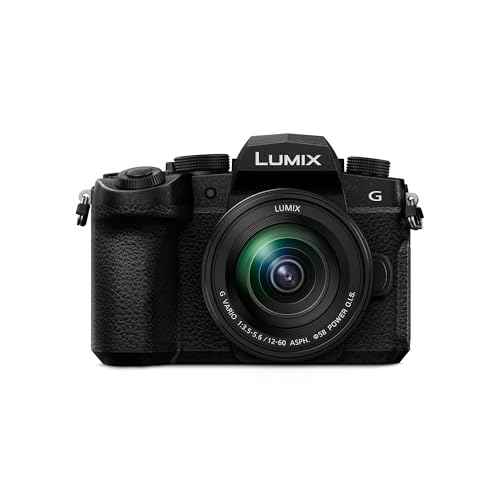
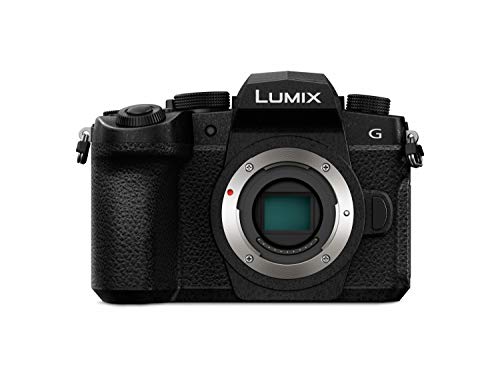
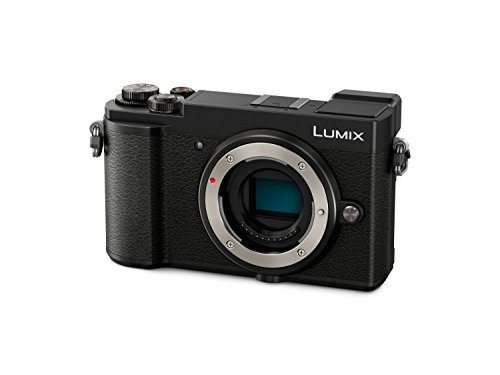
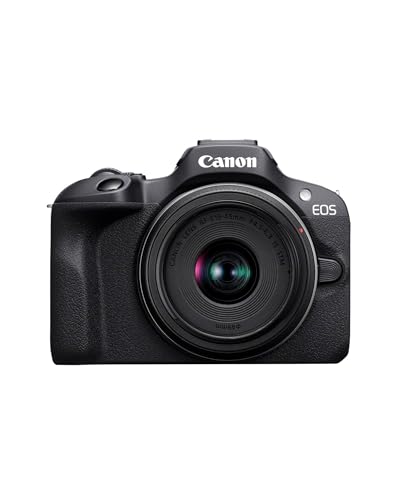
Which brands make the best cameras under £170?
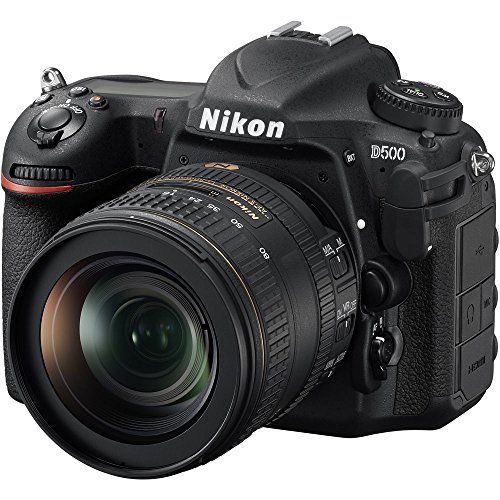
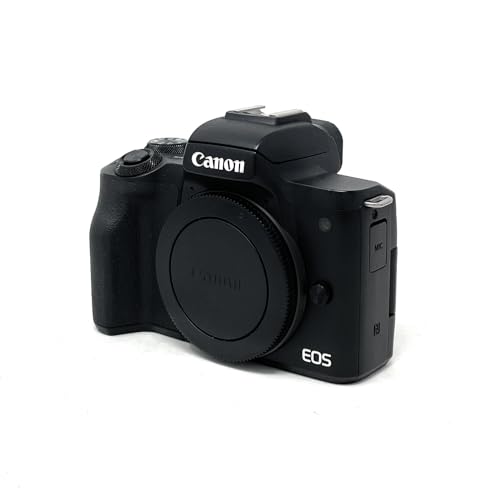
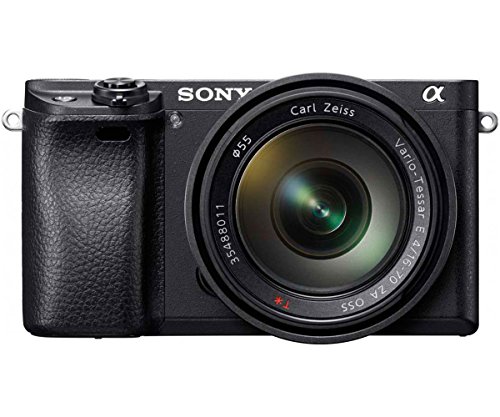
The leading camera brands under £170 are as follows:
- [shortcode-02172934955103926844032504375511597923241347717848] (Average overall score: [shortcode-16765832746487388265078299162998565582194217609567])
- [shortcode-14258738589921509497118174346942865737943854402935] (Average overall score: [shortcode-08218120909486077628010345113738015553763486664473])
- [shortcode-02252954028718849495155915344106141472202999087501] (Average overall score: [shortcode-08001108873598266237054548172716624839684157014083])
The chart below compares camera brands under £170 by average overall score.
[horizontal-chart-00654957192202949022005790859903639472622364874868]
What should you expect from cameras under £170?
Cameras under £170 should be expected to deliver simple automatic shooting and acceptable daylight images rather than broad enthusiast capability. New choices are commonly pocket compacts, instant cameras, rugged models, or basic long-zoom designs; larger-sensor system cameras are more likely to be older, discounted, or used.
A realistic fixed-lens specification is about 10–20 MP with a 3×–10× optical zoom, although larger bridge bodies may reach farther. Small sensors and lenses that narrow toward f/5.9–6.5 mean indoor motion and night photography are weak points.
Full HD video, built-in flash, scene modes, and a fixed rear screen are common. RAW, a microphone input, reliable subject tracking, sensor-shift stabilization, and a high-resolution viewfinder are exceptions rather than expectations.
The following chart shows how camera prices are distributed within the £170 limit.
[vertical-chart-16473590019227736945153234606700011690974010549316]
What compromises are common on cameras under £170?
The most common compromises on cameras under £170 are as follows:
- Phone-like or smaller sensors: Basic models often use sensors no larger than those in older phones while lacking modern computational processing. Their advantage must therefore come from the optical lens or physical design.
- Weak low-light performance: Dim lenses and small sensors require slow shutter speeds or high ISO indoors. Fine texture can become smeared and moving subjects blur easily.
- Digital-zoom marketing: Some inexpensive cameras advertise extreme zoom that is largely digital cropping. Compare only optical zoom and the stated equivalent focal length.
- Slow operation: Startup, autofocus, shot-to-shot time, flash recycling, and menu response may be noticeably slower than on better cameras. This makes spontaneous action difficult.
- Limited control: RAW, manual exposure, exposure bracketing, focus peaking, and direct dials are often absent. The camera may be designed almost entirely around automatic JPEGs.
- Basic construction: Screens can be low resolution and fixed, buttons small, and battery doors or tripod sockets lightweight. Waterproofing should be trusted only when a real depth rating is stated.
- Restricted video and connectivity: Full HD may use basic autofocus and mono audio, while Wi-Fi can be absent or tied to an unsupported app. Very cheap 4K claims deserve careful verification.
Are used cameras a better deal than new cameras under £170?
A used camera is usually the stronger choice under £170 when the goal is to learn photography or obtain a larger sensor. An older DSLR or mirrorless body can provide RAW, manual controls, a viewfinder, and better image quality, although finding a complete body-and-lens kit within the limit requires patience.
A new camera is easier to justify for a specific function: waterproof use, instant prints, a simple gift, or optical zoom in one compact package. It also includes a warranty and avoids uncertainty about shutter and battery wear.
For used equipment, confirm that the price includes a compatible lens, charger, and usable battery. Test autofocus, aperture operation, sensor condition, card recording, flash, screen, and all controls; repair costs can quickly exceed the value of a £170 camera.
How good is image quality on cameras under £170?
Image quality on cameras under £170 is generally adequate in bright light but inconsistent indoors, at night, or in high-contrast scenes. A well-exposed 12–20 MP file can still make good small prints and online images, especially when the camera uses a sharp optical lens and accurate color processing.
Small sensors commonly lose fine detail around ISO 800–1600, and aggressive noise reduction can make hair, foliage, or fabric look soft. Optical stabilization helps buildings and other static scenes, but a moving child or pet still needs a fast shutter and enough light.
A dedicated camera earns its place through reach or resilience. A true 10× zoom, waterproof body, or larger used APS-C sensor can be useful; a basic fixed-lens camera with no such advantage may not improve on a recent phone.
What lens or zoom options are common on cameras under £170?
Common lens and zoom options under £170 are as follows:
- Short pocket zooms: Around 3×–5× optical zoom is enough for groups, street scenes, and portraits. Look for a wide end near 24–28 mm equivalent rather than judging only the ratio.
- Travel zooms: Selected compacts provide roughly 10×–20× optical zoom, often covering about 24–240 mm or longer. Their small sensors and dim telephoto apertures work best outdoors.
- Basic bridge zooms: Larger bodies may offer 20×–40× or more reach. Stabilization is important, and maximum zoom should not be confused with sharpness or fast autofocus.
- Used kit lenses: An older interchangeable-lens package may include an 18–55 mm or 14–42 mm zoom. It delivers better sensor quality than many compacts but much less telephoto reach.
- Instant and rugged lenses: These models often use a fixed lens or short internal zoom. The value lies in prints or protection, not focal-length flexibility.
What features are common on cameras under £170?
Common features on cameras under £170 are as follows:
- Point-and-shoot automation: Auto exposure, face detection, scene modes, and built-in flash are typical. Manual control is often limited or absent.
- Optical zoom: This is the main advantage of many conventional models. Check that the quoted ratio is optical and note the widest and longest equivalent focal lengths.
- Full HD recording: Casual 1080p video is common, but autofocus, stabilization, audio, and recording limits may be basic.
- Compact fixed screen: A 2.7–3-inch rear display is typical. Tilting, touchscreen, and viewfinder designs are much less common.
- Removable battery and SD storage: These make long-term use easier than sealed toy-like designs. Confirm card-capacity limits and replacement-battery availability.
- Specialist functions: Waterproofing, instant prints, or an unusually long zoom may define the product. Read the exact depth, print cost, or optical range instead of relying on general marketing.
- Simple connectivity: USB transfer is common, while Wi-Fi and Bluetooth vary. Some older cameras need a card reader because their companion apps no longer work reliably.
What should you check before buying a camera under £170?
Check the following points before buying a camera under £170:
- Genuine advantage: Require at least one meaningful benefit over a phone, such as optical zoom, waterproofing, instant output, a viewfinder, or a larger used sensor. Avoid buying a separate device that only duplicates phone snapshots.
- Optical specifications: Check sensor size, optical zoom, equivalent focal length, and aperture. Disregard digital zoom, interpolated pixels, and vague resolution labels.
- Responsiveness: Test startup, autofocus, shutter delay, flash recycling, and shot-to-shot time. Slow operation can make the camera unsuitable for family action even when still subjects look acceptable.
- Stabilization: Confirm whether stabilization is optical or merely electronic. Long zoom without effective stabilization is difficult to use, particularly in shade or indoors.
- Screen and controls: Check brightness, viewing angle, button size, grip, and access to exposure compensation. A very cheap camera should still be comfortable enough to operate without constant menu searching.
- Battery and storage: Prefer a replaceable battery and standard SD or microSD format with clearly stated capacity support. Include a charger, card, and spare battery in the total cost.
- Manufacturer and support: Verify that manuals, batteries, firmware, and service information exist. Unknown-brand specification sheets can overstate sensor resolution, zoom, or waterproof capability.
- Return policy or used condition: Test image saving, lens extension, autofocus, flash, video, ports, and every button promptly. At this price, a hidden fault can make repair uneconomical.