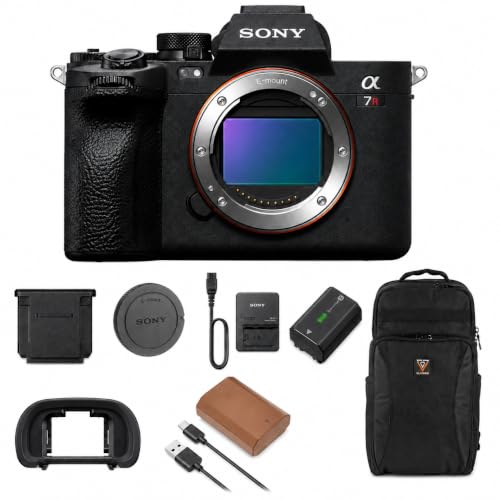
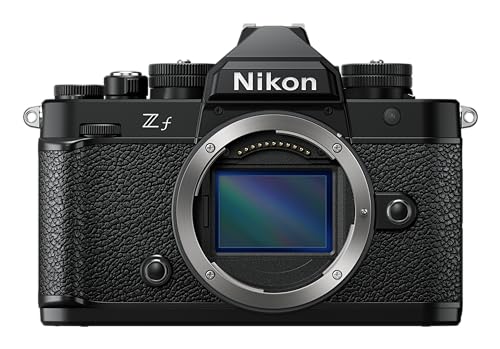
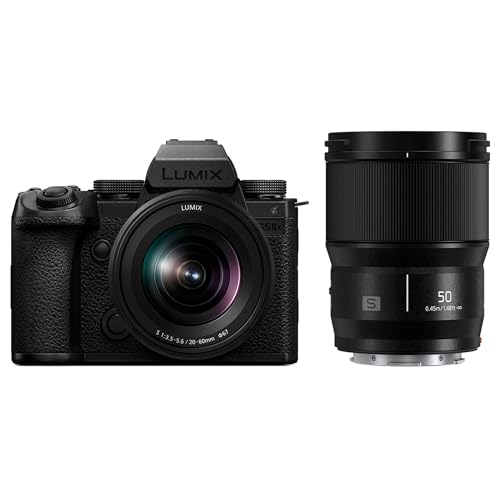
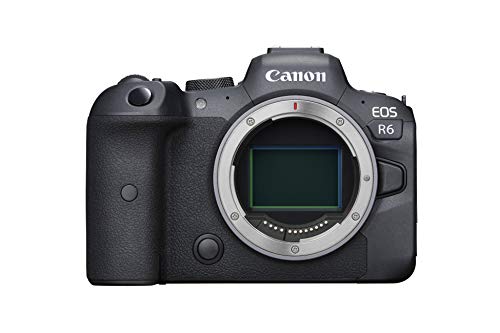
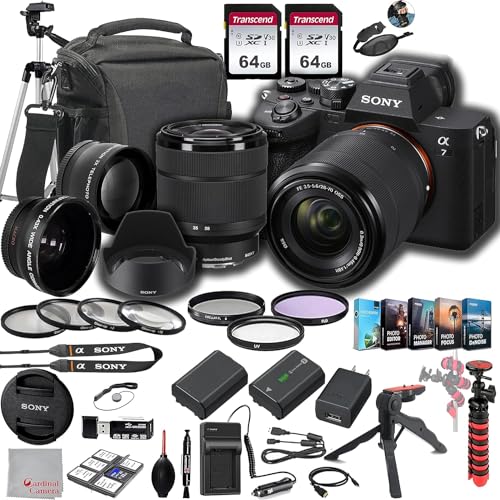
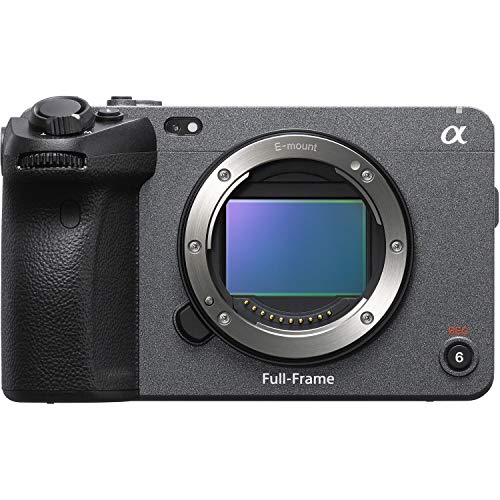
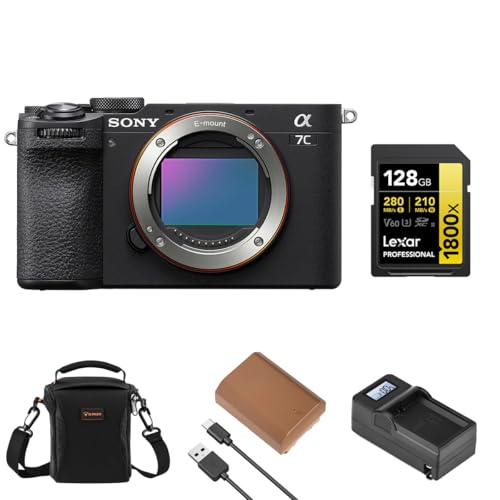
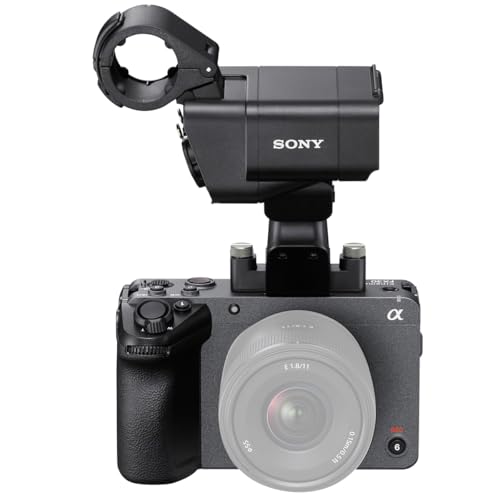
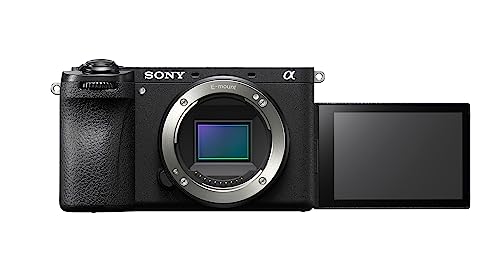
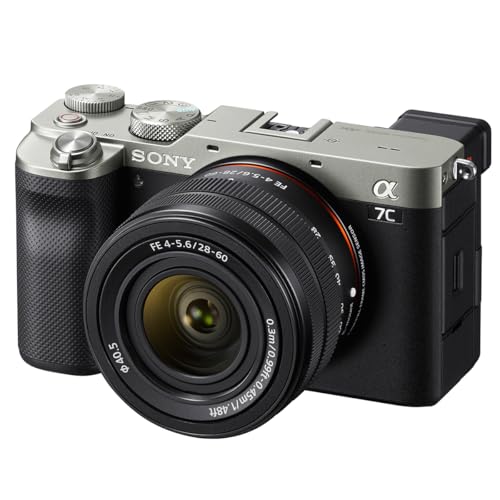
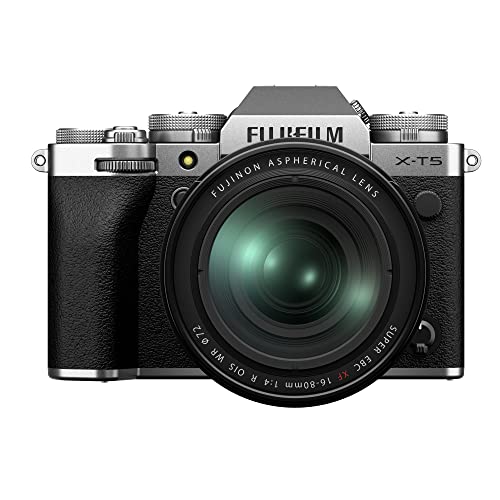
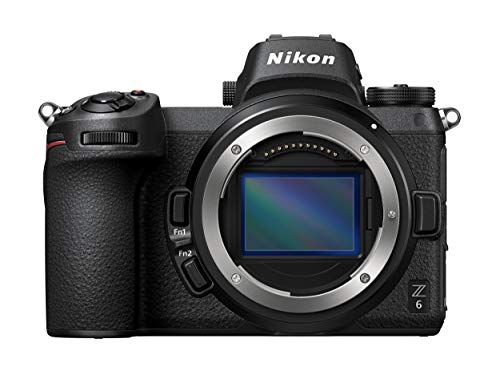
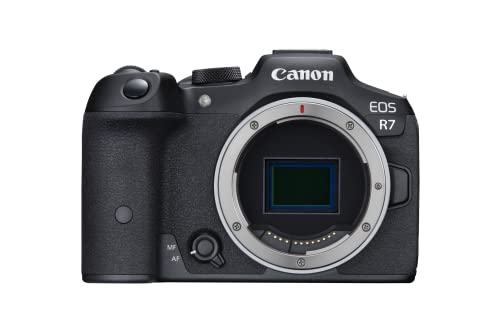
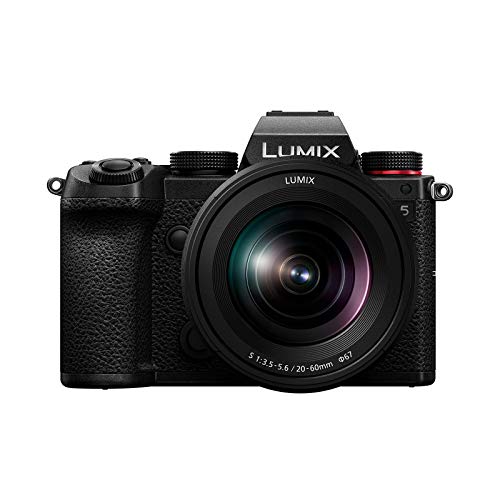
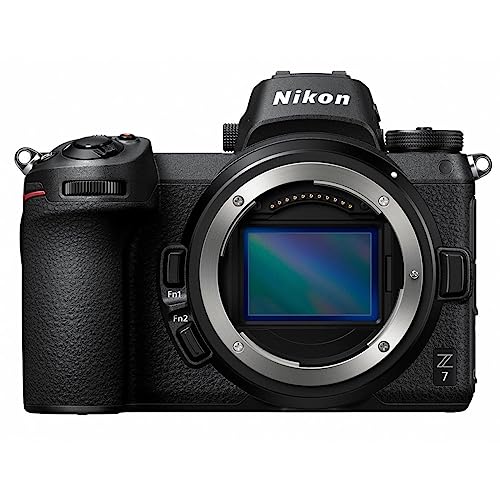
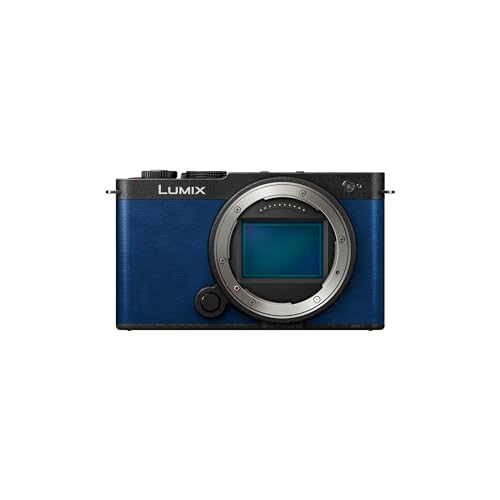
Which brands make the best mirrorless cameras?
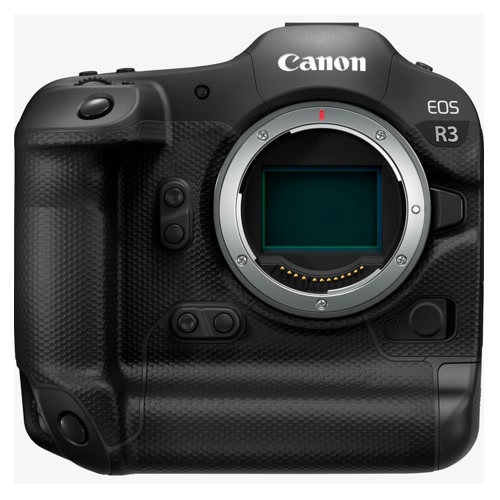
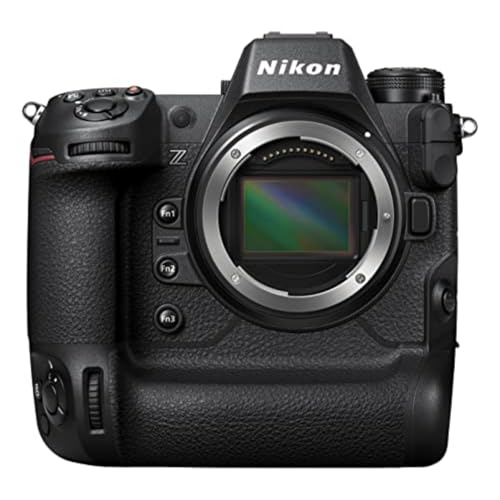
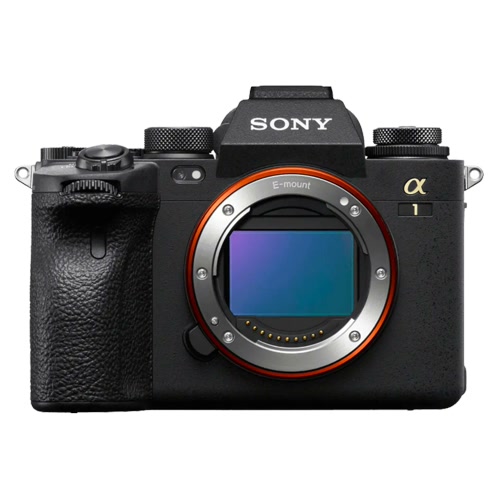
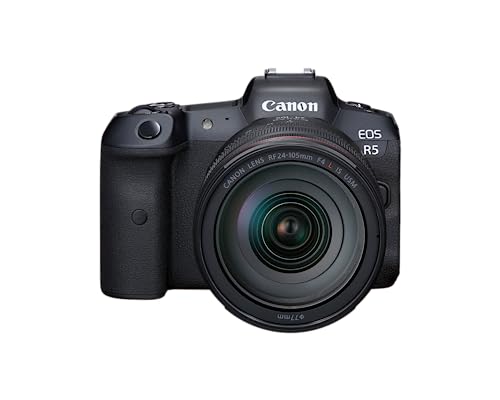
The leading mirrorless camera brands are as follows:
- [shortcode-09404645673031571888178811878965589426713036114866] (Average overall score: [shortcode-07401089016462688310050020129140712272744254286199])
- [shortcode-07403623712448082962110410752579823397560199442303] (Average overall score: [shortcode-00815293068467448948145460371339270199893005765536])
- [shortcode-17746542818004644238159947953037249143202579865753] (Average overall score: [shortcode-00349684731819992070001556541267623660722044263176])
The chart below compares mirrorless camera brands by average overall score.
[horizontal-chart-00698625813441214989150397648521521149573004851375]
What is a mirrorless camera?
A mirrorless camera is a digital interchangeable-lens camera that sends light directly to the imaging sensor instead of using the moving mirror and optical-viewfinder assembly found in a DSLR. The live sensor feed is displayed on the rear screen or through an electronic viewfinder, so exposure, white balance, focus aids, and depth-of-field effects can be previewed before capture.
Removing the reflex mirror permits shorter lens-mount distances and can make bodies more compact, although a complete kit is not necessarily small once a large full-frame zoom is attached. The design also enables autofocus points across much of the frame, silent electronic shooting, and advanced video features, but it increases reliance on the sensor, processor, display, and battery.
How do mirrorless cameras differ from DSLR cameras?
Mirrorless cameras differ from DSLRs mainly by replacing the DSLR's reflex mirror and optical viewfinder with a continuous sensor feed and an electronic display. This lets mirrorless bodies preview exposure and color, place autofocus coverage across more of the image, and use features such as eye detection, focus peaking, and silent electronic shutters.
DSLRs still offer a direct optical view with no display lag and commonly deliver much longer battery life when the rear screen is not used. Their mature Canon EF, Nikon F, and Pentax K systems also include many lenses, though new product development has shifted strongly toward mirrorless mounts.
Mirrorless cameras are usually stronger for hybrid stills and video because the same on-sensor focusing system works in both modes. Body size can be smaller, but comparable bright full-frame lenses remain large, and fast electronic shutters can introduce rolling-shutter distortion or banding unless the sensor readout is sufficiently quick.
What lenses do mirrorless cameras support?
Mirrorless cameras support the following native and adapted lens options:
- Native system lenses: Sony E, Canon RF, Nikon Z, Fujifilm X and G, Micro Four Thirds, and L-Mount lenses communicate electronically with their matching bodies. Check both the mount and sensor coverage, because an APS-C lens on a full-frame body may force a cropped image mode.
- Full-frame and APS-C lens families: Sony E, Canon RF, and Nikon Z systems include both full-frame and smaller-format bodies, while Fujifilm X is APS-C and Fujifilm G is medium format. A lens designed for the larger image circle can often work on the smaller sensor, but the field of view narrows by roughly 1.5× or 1.6×.
- Micro Four Thirds lenses: Most Micro Four Thirds lenses can be exchanged between compatible Panasonic and OM System or Olympus bodies. The 2× crop factor makes compact telephoto kits practical, although autofocus behavior and stabilization coordination can vary with cross-brand combinations.
- DSLR lenses through adapters: Canon EF, Nikon F, Sony A, and other legacy lenses can often be mounted with an appropriate adapter. Electronic adapters may retain autofocus, aperture control, and stabilization, but performance depends on the specific body, lens generation, and adapter firmware.
- Manual and specialist lenses: Short mirrorless flange distances make many manual-focus, cinema, tilt-shift, and vintage lenses adaptable. Focus peaking and magnified live view help with manual focusing, but adapters cannot restore electronic functions that the original lens never provided.
How good is autofocus on mirrorless cameras?
Autofocus on current mirrorless cameras is excellent, especially on models with on-sensor phase detection and trained subject-recognition modes. Strong systems can identify human eyes, animals, birds, vehicles, or insects and track them across a large proportion of the image rather than clustering focus points near the center.
The number of advertised focus points is not a direct measure of reliability: coverage, sensor readout speed, lens motor performance, subject-detection logic, and low-light sensitivity matter more. Continuous autofocus should be tested at the intended burst rate because some cameras lock focus, reduce live-view quality, or slow down when particular electronic-shutter or high-speed modes are selected.
Contrast-detection-only bodies can still focus accurately on static subjects but may pulse or hunt during action and video. For sports, wildlife, or moving children, prioritize phase-detection coverage, dependable eye tracking, a deep buffer, and lenses with fast linear or stepping motors.
How good is image quality on mirrorless cameras?
Image quality on mirrorless cameras ranges from very good to professional-grade, with sensor size, lens quality, exposure, and processing having a greater effect than the absence of a mirror. Modern APS-C and Four Thirds models can produce detailed prints and clean everyday high-ISO files, while full-frame bodies generally offer more dynamic-range and low-light headroom at comparable technology levels.
Resolution should match the job rather than simply be maximized. Roughly 20–26 MP is ample for general photography and 4K delivery, while 40–60 MP provides more cropping freedom and large-print detail but demands sharper lenses, steadier technique, faster cards, and more storage.
A larger sensor also makes shallow depth of field easier at equivalent framing, but that is not automatically better for travel, macro, or group photography where more of the scene must stay sharp. High-resolution modes that shift the sensor can exceed the native pixel count, yet they work best with a tripod and static subjects because movement can create artifacts.
For video, examine oversampling, crop factor, rolling shutter, bit depth, chroma subsampling, and heat limits rather than relying on a 4K, 6K, or 8K label alone. A well-processed 10-bit 4K file may grade more cleanly than higher-resolution footage with heavy cropping or slow sensor readout.
How much do mirrorless cameras cost?
New mirrorless cameras typically cost about £400-£9,500 for the body, although most mainstream APS-C and full-frame choices sit between roughly £600 and £2,600. A basic kit zoom commonly adds about £100-£300 to an entry body, while bright professional zooms and long telephoto lenses can cost as much as or more than the camera itself.
Entry-level APS-C and Micro Four Thirds kits around £400-£900 emphasize compact size, automatic controls, and general photography. The £900-£2,200 range adds stronger autofocus, better electronic viewfinders, in-body stabilization on many models, faster bursts, weather-resistant construction, and more capable 4K recording.
High-resolution, sports, cinema-oriented, and medium-format bodies commonly start around £2,200-£3,400 and can exceed £8,600. Budget for at least one suitable lens, spare battery, memory card, and any required microphone, flash, or support equipment; comparing body prices alone can make the more expensive lens system look deceptively affordable.
The following chart shows the price distribution for these cameras.
[vertical-chart-16276265486280933786118375880892052782304067036258]
What should you check before buying a mirrorless camera?
Before buying a mirrorless camera, consider the following factors:
- Sensor format and resolution: Choose Four Thirds, APS-C, full frame, or medium format according to the complete kit size, depth-of-field control, low-light needs, and budget. About 20–26 MP is sufficient for most general photography and 4K output, while 40–60 MP benefits heavy cropping and large prints but increases file size and demands sharper lenses and steadier technique.
- Lens mount and system depth: Confirm that the native mount offers the focal lengths, apertures, size, and price level you need, not merely that adapters exist. Sony E, Canon RF, Nikon Z, Fujifilm X or G, Micro Four Thirds, and L-Mount are not interchangeable; adapted DSLR lenses may lose autofocus speed, stabilization coordination, burst performance, or video smoothness.
- Autofocus coverage and subject tracking: Look beyond the focus-point total and verify on-sensor phase detection, eye or subject recognition, low-light sensitivity, and tracking at the burst rate you intend to use. Some bodies advertise hundreds of points but reduce autofocus performance in their fastest electronic-shutter modes, while older contrast-detection systems may pulse during video or erratic action.
- Stabilization and shutter behavior: In-body image stabilization helps every compatible lens and is useful for handheld stills and video, but some bodies rely partly or entirely on optical lens stabilization. Check whether body and lens stabilization cooperate, and examine rolling shutter, flicker, banding, and reduced bit depth in electronic-shutter modes because silent shooting is not equally suitable for fast movement or artificial light.

- Burst speed, buffer, and card type: A quoted 10–20 fps can be useful for action only if continuous autofocus, full-quality RAW, and live view remain active. Check how many RAW or JPEG frames the buffer holds and whether the camera needs UHS-II SD or CFexpress media to clear it quickly; slower cards can turn a high headline rate into a short burst followed by a long delay.
- Viewfinder, screen, and handling: Compare EVF resolution, magnification, refresh rate, blackout behavior, and eye relief rather than assuming every electronic finder feels alike. Resolutions around 2.36 million dots are common, while 3.69–5.76 million-dot finders can show finer detail; grip depth, control placement, screen articulation, and balance with the intended lens are just as important during long sessions.
- Video modes and thermal limits: Verify the actual frame rates, crop factors, bit depth, chroma sampling, recording limits, and autofocus available in 4K, 6K, or 8K modes. A camera may offer 10-bit 4K only internally or externally, may crop at 50/60p, or may overheat sooner in oversampled and high-resolution modes, so match the specification to the planned clip length and editing workflow.
- Battery life, charging, and power: Mirrorless battery ratings commonly fall around 250–500 CIPA shots, although larger batteries and power-saving modes can exceed that range. EVF use, high refresh rates, stabilization, video, wireless transfer, and cold weather shorten runtime; confirm USB-C charging or power delivery compatibility and budget for a spare battery when shooting all day.
- Body durability and total kit weight: Check weather sealing, operating-temperature guidance, port covers, shutter rating where stated, and whether the camera has one or two card slots for backup. Compact bodies can weigh roughly 300–500 g, but adding a bright full-frame zoom may push the working kit well beyond 1 kg, so compare the body, lens, battery, and accessories as one carried system.