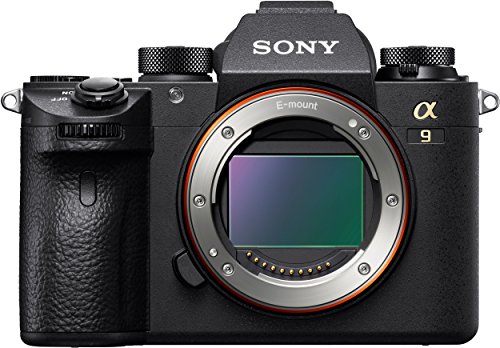
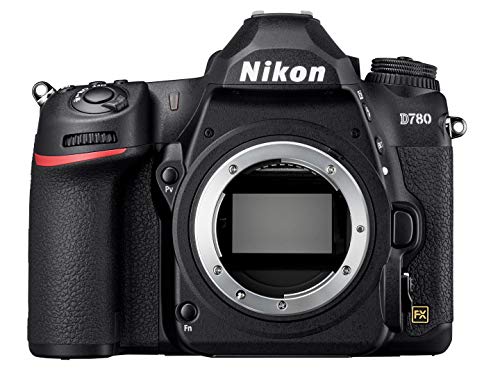
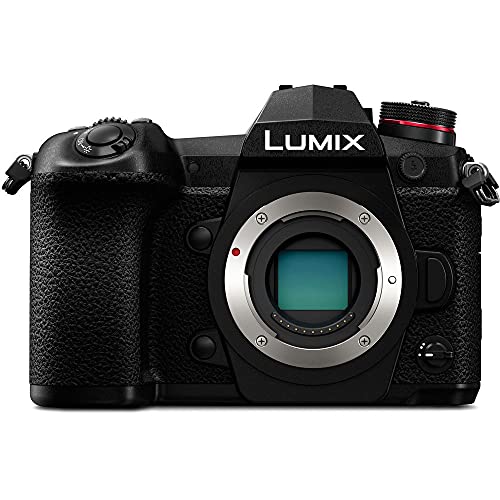
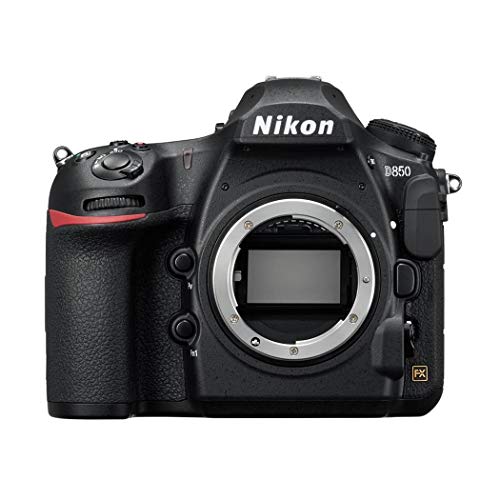
Which brands make the best cameras for professional photography?
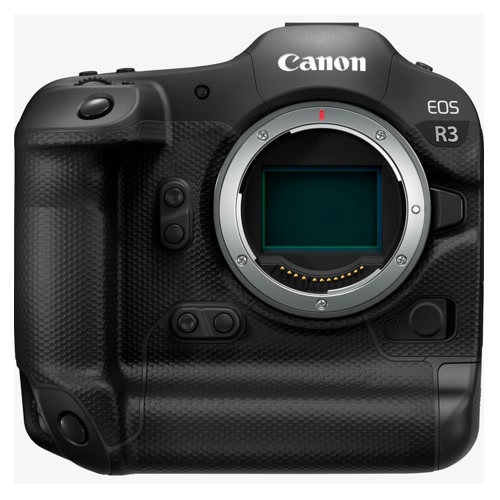
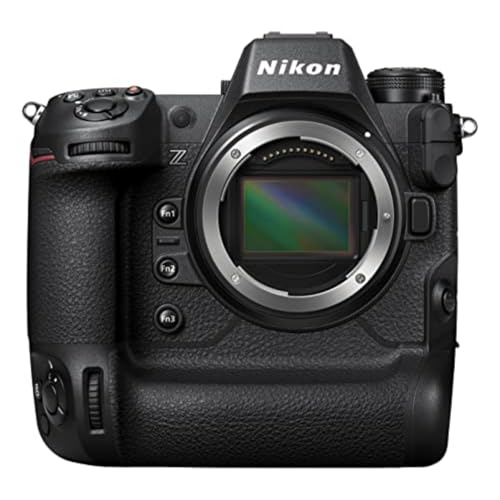
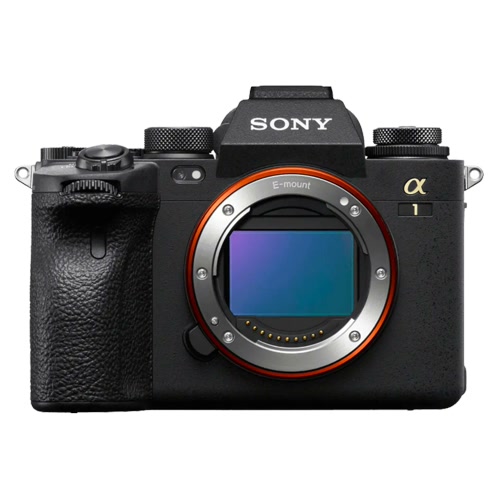
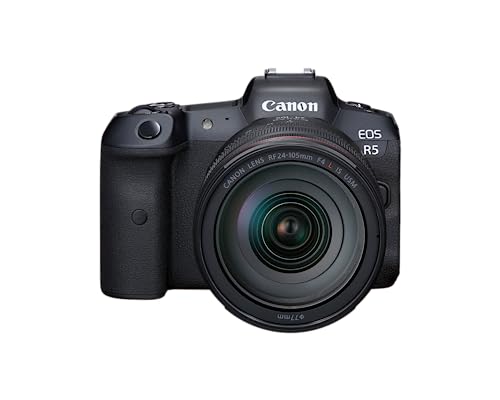
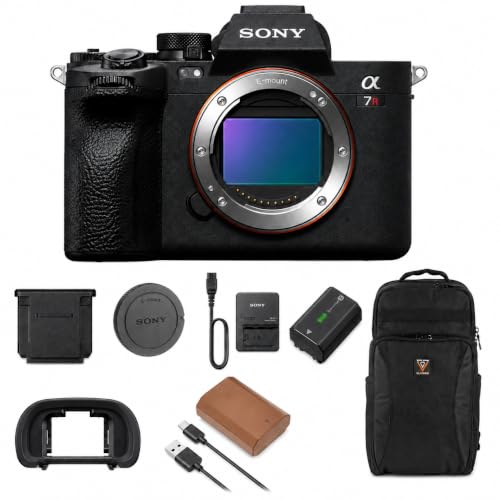
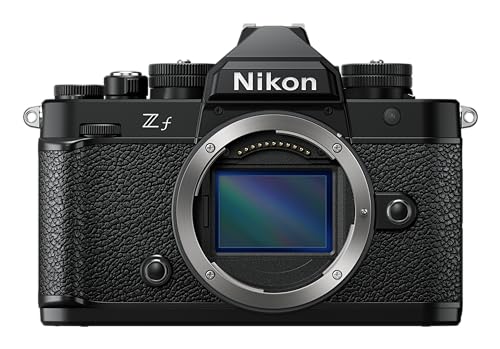
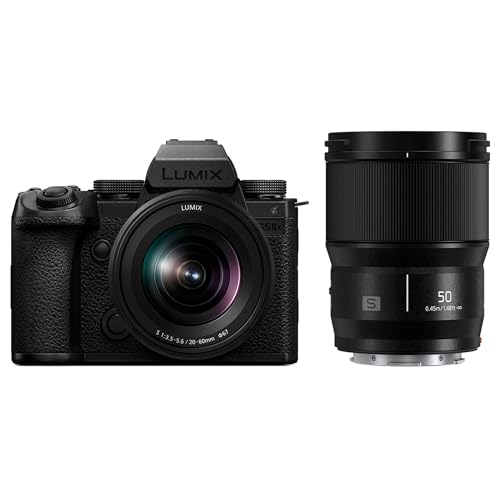
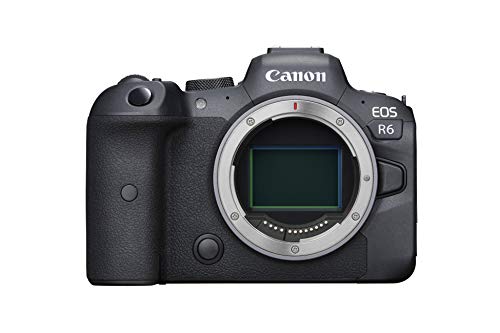
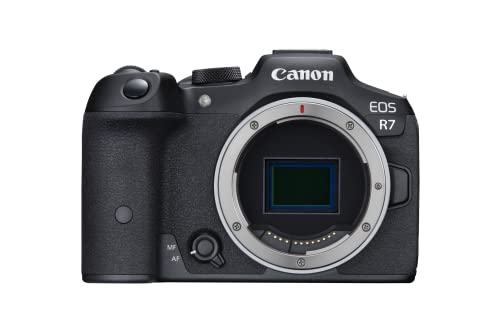
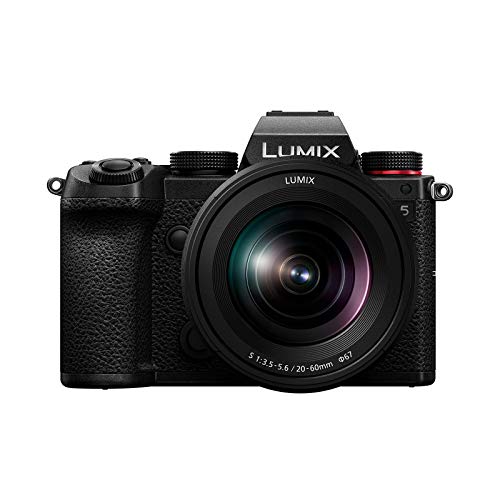
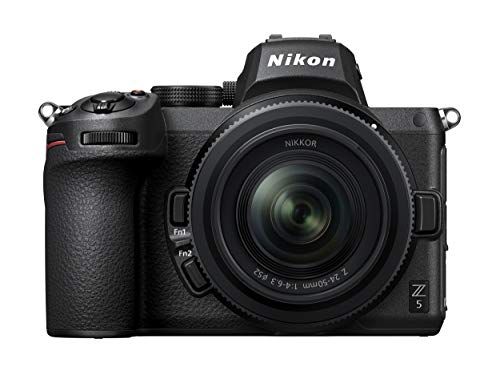
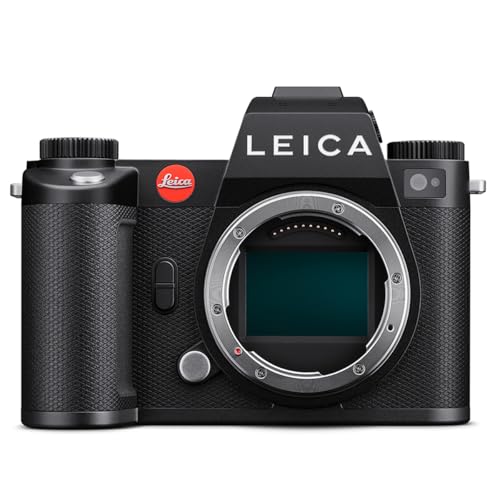
The leading professional photography camera brands are as follows:
- [shortcode-13646907876638838171052931866683602095052329917161] (Average overall score: [shortcode-01756154119143033141101422040625390448670128578343])
- [shortcode-08181151659023759706012375491653840239623471815543] (Average overall score: [shortcode-13262840493888050097022734278546910749142501630686])
- [shortcode-14668477891124977311007537616896435307740901841699] (Average overall score: [shortcode-03549011115566253131026326924836267067581436144578])
The chart below compares professional photography camera brands by average overall score.
[horizontal-chart-11439997528899748429170390884347774294411101801275]
What makes a camera suitable for professional photography?
The main qualities that make a camera suitable for professional photography are as follows:
- Reliable RAW image quality: The sensor should preserve highlight and shadow detail at the ISO values used for real assignments, and the RAW files should tolerate exposure and color corrections without severe banding or noise. Resolution must match the job: 20–30 MP is ample for events and editorial work, while 40–60 MP gives commercial and landscape photographers more cropping and print detail.
- Dependable autofocus: Wide phase-detection coverage, accurate continuous tracking, and effective face, eye, animal, or vehicle recognition improve the keeper rate. Test the exact lens and subject type because low light, fast apertures, teleconverters, electronic shutter, and maximum burst speed can change autofocus behavior.
- A complete lens system: Professional suitability depends on access to the focal lengths, apertures, focusing motors, stabilization, and specialist optics the work requires. Price a standard f/2.8 zoom, telephoto, portrait prime, macro lens, or tilt-shift option before committing to a body.
- Redundant recording: Dual card slots allow simultaneous backup during weddings, events, news, and other work that cannot be repeated. Confirm whether both slots accept equally fast media and whether backup mode reduces burst depth or video capability.
- Operational reliability: Weather sealing, strong buttons and doors, a durable shutter, thermal management, and consistent battery performance matter across long days. A nominal feature is not enough if the camera overheats, drains batteries rapidly, or becomes difficult to operate with gloves.
- Efficient controls and viewing: A clear viewfinder, responsive screen, dedicated exposure controls, customizable buttons, and a useful status display reduce missed moments. The grip and control layout should remain comfortable with the heaviest lens used regularly.
- Workflow and support: Fast card interfaces, wired or wireless transfer, tethering, metadata entry, current RAW software support, and dependable service can matter as much as a small image-quality gain. Professionals should also check repair turnaround, loan equipment, firmware history, and battery and accessory availability.

What sensor sizes are best for professional photography?
Full frame is the best all-round sensor size for most professional photography because it balances low-light quality, dynamic range, depth-of-field control, speed, body size, and lens availability. It supports high-resolution studio and landscape bodies as well as faster 20–30 MP cameras for weddings, news, and sport.
APS-C is fully professional when speed, reach, portability, or budget matters more than maximum high-ISO quality. Its roughly 1.5× or 1.6× crop factor gives wildlife and field-sport photographers tighter framing from a given lens, but achieving very shallow depth of field or matching full-frame noise performance is harder.
Medium format is best for controlled commercial, fashion, fine-art, architecture, and landscape work that benefits from exceptional resolution and tonal gradation. The tradeoffs are higher body and lens prices, larger files, slower workflows, and often less capable high-speed autofocus. Micro Four Thirds can also serve professionals who prioritize compact telephoto systems, deep depth of field, and strong stabilization, provided its low-light limits suit the assignment.
The chart below shows the distribution of sensor sizes available for professional photography.
[pie-chart-16830077376672309203164602637447636170572577312270]
What lens systems are best for professional photography?
The best lens system for professional photography is the one that covers the required assignments with dependable native lenses, fast service, and a realistic total cost. A broad full-frame mirrorless system is the safest general choice because it can support f/2.8 zooms, bright primes, macro lenses, supertelephotos, teleconverters, and video-oriented optics on one mount.
Wedding and event photographers commonly need a 24–70 mm f/2.8, a 70–200 mm f/2.8, and one or more bright primes. Sport and wildlife specialists should examine 300–600 mm options, autofocus with teleconverters, lens weight, monopod balance, and rental access; studio, product, and architecture work may instead depend on macro and perspective-control lenses.
Adapters can preserve an existing lens investment, but they do not guarantee identical autofocus, burst, stabilization, or teleconverter performance. Compare native lens availability first, then evaluate adapted lenses individually. APS-C and Micro Four Thirds systems can reduce size and telephoto cost, while medium-format systems provide superb image quality but fewer specialized and fast-aperture choices.
How good is autofocus on cameras for professional photography?
Autofocus on current professional cameras is excellent, with wide phase-detection coverage, rapid acquisition, and subject recognition capable of tracking eyes, faces, animals, birds, and vehicles. The best systems maintain focus during bursts and can hand off a subject across much of the frame.
Focus-point count alone does not measure performance. Sensor readout speed, tracking logic, lens motor, low-light sensitivity, viewfinder refresh, shutter mode, and the selected subject-detection setting all affect the real keeper rate.
For weddings and portraits, reliable eye focus at wide apertures is more important than the highest burst figure. Sport and wildlife work benefits from roughly 10–30 fps, a deep buffer, minimal viewfinder blackout, and autofocus that continues to update at maximum speed; electronic shutters also need sufficiently fast readout to control distortion under motion and artificial light.
Studio, landscape, and architecture photographers can accept slower continuous tracking but should still demand precise single-point focus, magnified manual focus, and consistent tethered operation. Test the camera with the exact lenses and conditions used professionally, because a strong body cannot compensate fully for a slow focusing lens or poorly chosen autofocus mode.
What build quality and controls matter on cameras for professional photography?
The build and control features that matter most on professional photography cameras are as follows:
- Weather-resistant construction: Sealed buttons, dials, doors, and mount areas reduce risk in rain, dust, and cold, although no interchangeable-lens camera is fully waterproof. Protection also depends on using a sealed lens and keeping card, battery, and connector doors properly closed.
- Grip and balance: The body should remain secure and comfortable with the heaviest lens used for hours at a time. Check finger clearance, portrait-orientation controls, tripod-plate access, and whether a battery grip improves endurance without making the kit unmanageable.
- Direct controls: Separate exposure dials, an autofocus joystick, dedicated AF-on control, customizable buttons, and quick recall modes reduce menu use under pressure. Controls should be distinguishable by touch and resist accidental movement when working with gloves or in darkness.
- Viewfinder and display: A high-resolution viewfinder with good magnification, low lag, and minimal blackout helps track action and judge focus. A tilting or articulating screen supports low angles and tethered setups, but hinge design and cable clearance matter in professional rigs.
- Shutter and thermal reliability: Mechanical-shutter durability, electronic-shutter readout, heat control, and consistent long-burst behavior are more important than a single maximum-speed claim. Verify whether RAW bit depth, autofocus, flicker control, or dynamic range changes in the fastest modes.
- Connections and power: Professionals may need full-size HDMI, microphone and headphone ports, flash synchronization, wired networking, USB power, or secure cable retainers. Check whether the camera can operate and charge simultaneously and whether batteries can be changed without removing a tripod plate.
Do cameras for professional photography need dual card slots?
Cameras used for paid, unrepeatable assignments should have dual card slots because simultaneous recording protects against a single card failure. Weddings, events, news, travel commissions, and location work are difficult or impossible to reshoot, so in-camera redundancy is a practical business safeguard rather than a luxury.
Set the slots to record the same RAW files to both cards when maximum protection matters. RAW/JPEG separation and overflow modes improve workflow or capacity but do not provide a complete backup; if the slots use different media, the slower card can also limit burst clearing or video modes.
A single-slot camera can still be suitable for controlled studio, product, landscape, or personal work when images are reviewed and transferred frequently, but the risk must be managed deliberately. Dual slots do not replace multiple cards, prompt off-camera copies, tested media, and a full backup process after the shoot.
How much do cameras for professional photography cost?
New cameras suitable for professional photography generally cost about £1,500-£6,500 for the body, while specialized medium-format and flagship systems can exceed £8,600. Professional capability begins below flagship pricing, but the required lenses, cards, batteries, lighting, support equipment, insurance, and service plan often cost as much as or more than the body.
Around £1,500-£3,000 buys strong full-frame or high-end APS-C bodies for portraits, weddings, events, editorial work, and many commercial assignments. Roughly £3,000-£6,500 adds combinations of higher resolution, stacked-sensor speed, deeper buffers, advanced networking, integrated vertical controls, or stronger video specifications.
Medium-format bodies commonly begin around £3,400 and can rise well beyond £8,600, with lenses carrying similarly premium prices. Choose the least expensive system that meets delivery, reliability, lens, and workflow requirements, then reserve budget for duplicate media, backup bodies, calibration, storage, and dependable optics rather than spending everything on one flagship camera.
The following chart shows the price distribution for these cameras.
[vertical-chart-09601465324482824855025823904603718965703510735097]