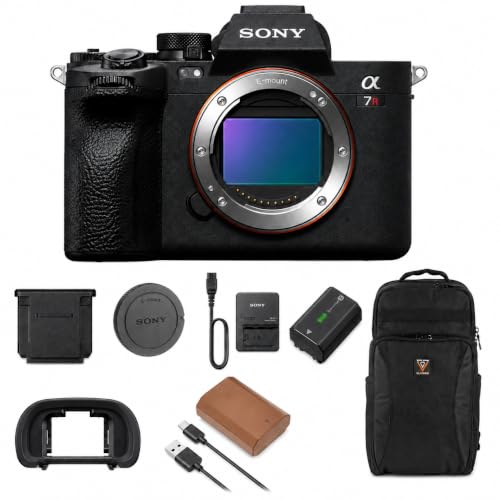
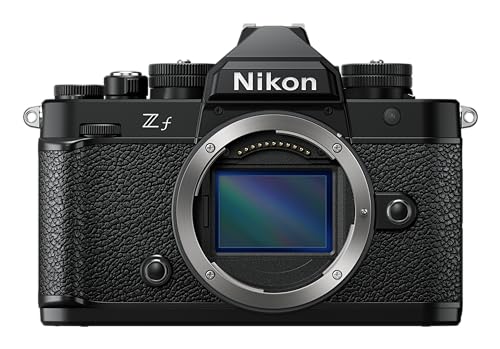
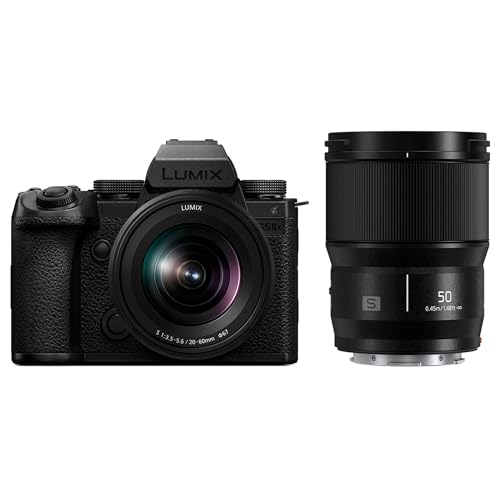
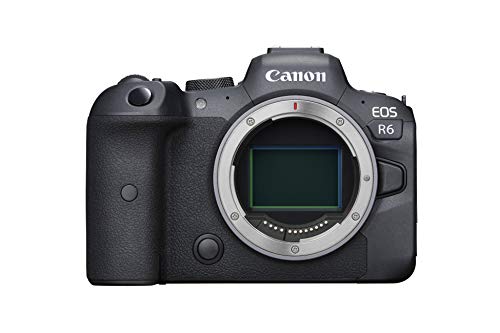
Which brands make the best cameras for landscape photography?
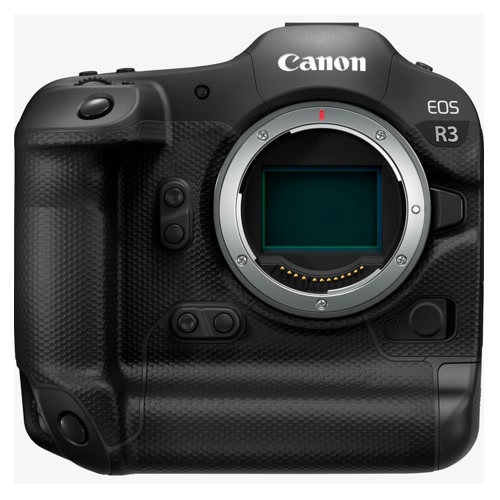
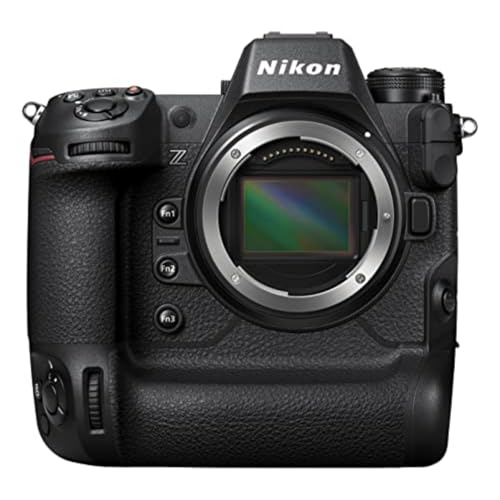
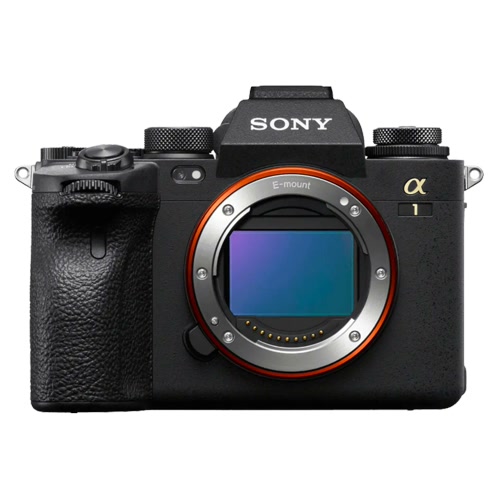
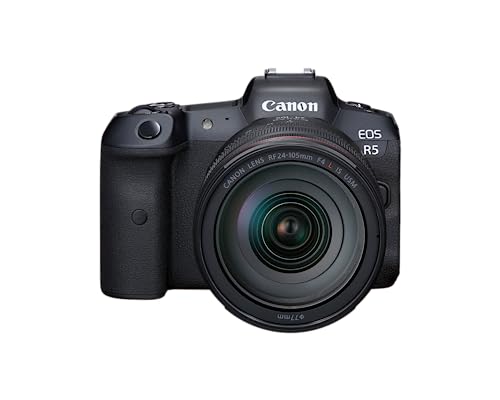
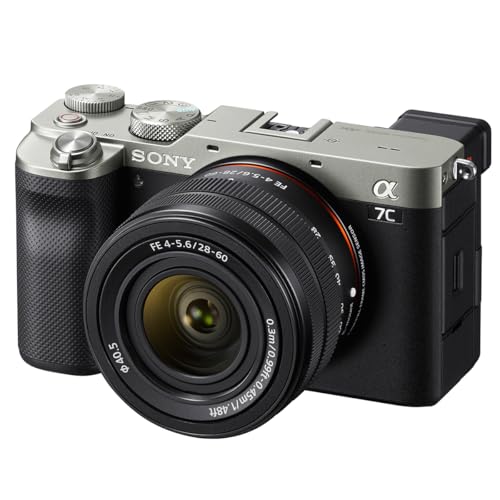
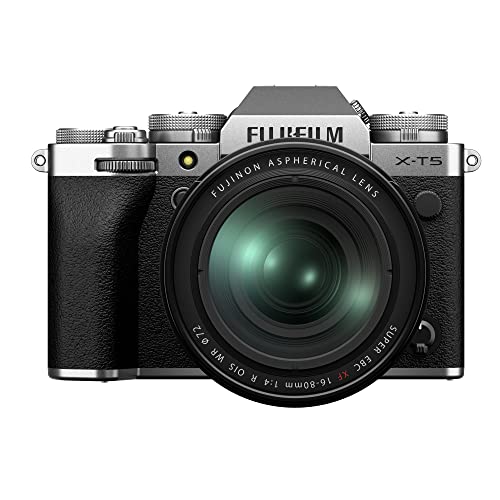
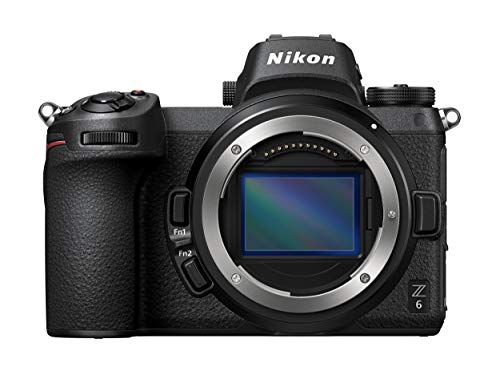
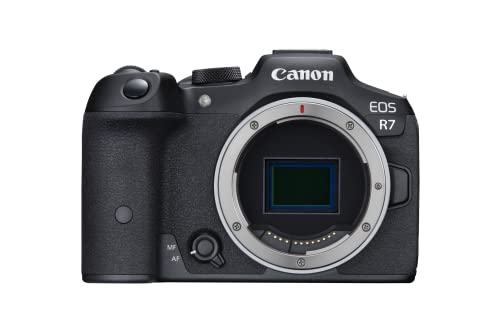
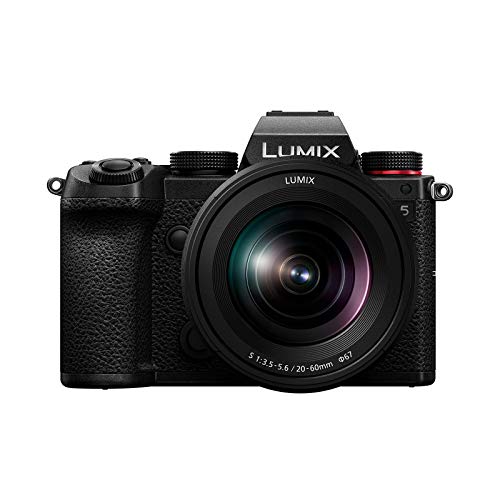
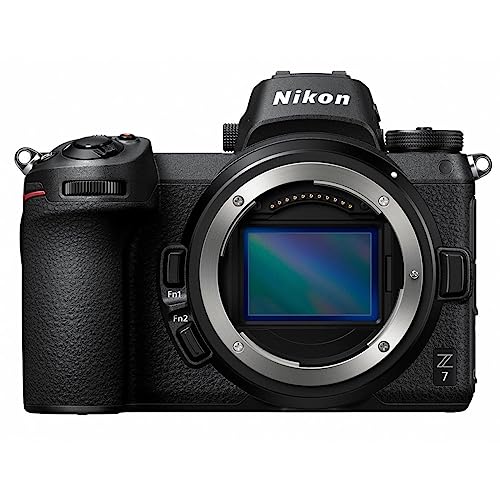
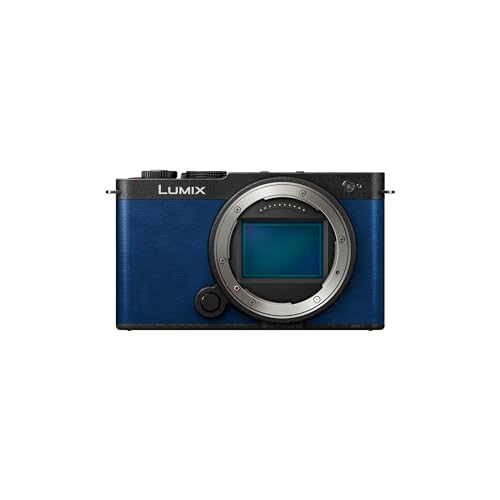
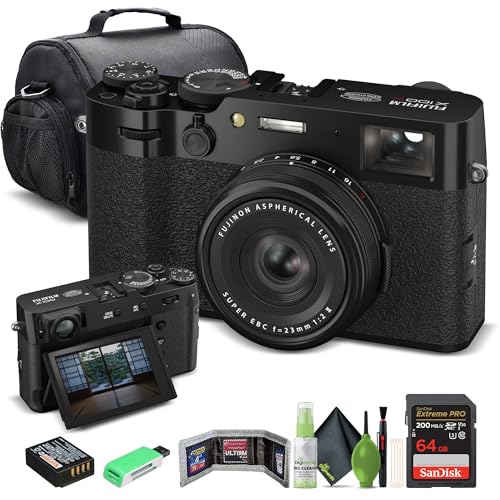
The leading camera brands for landscape photography are as follows:
- [shortcode-13646907876638838171052931866683602095052329917161] (Average overall score: [shortcode-01756154119143033141101422040625390448670128578343])
- [shortcode-08181151659023759706012375491653840239623471815543] (Average overall score: [shortcode-13262840493888050097022734278546910749142501630686])
- [shortcode-14668477891124977311007537616896435307740901841699] (Average overall score: [shortcode-03549011115566253131026326924836267067581436144578])
The chart below compares camera brands for landscape photography by average overall score.
[horizontal-chart-11439997528899748429170390884347774294411101801275]
What makes a camera suitable for landscape photography?
A camera is suitable for landscape photography when it records fine detail, retains broad highlight and shadow information, supports RAW files, and works reliably with the lenses and support equipment needed in the field. Resolution around 24–33 MP is enough for strong prints and stitched panoramas, while 40–60 MP provides more room for very large output and cropping when focus, lens quality, and stability are precise.
Sensor size influences lens choice, depth of field, dynamic range, and the weight of the complete system. Full frame is a common high-quality balance, medium format can provide exceptional tonal detail at higher cost and slower handling, and APS-C or Micro Four Thirds can reduce carried weight while still producing excellent results through careful exposure, stitching, and sharp lenses. Larger pixels can help per-pixel quality, but sensor generation and processing also matter.
Practical field features include sensor-shift stabilization, a clear electronic level, focus magnification, exposure bracketing, interval shooting, weather-resistant controls, and enough battery capacity for cold mornings and long exposures. A tilting screen helps with low tripod positions, while a reliable remote or self-timer limits vibration. The best body should remain balanced with the intended wide zoom, telephoto lens, filters, tripod, spare batteries, and protective gear.
How important is resolution on a camera for landscape photography?
Resolution is important for landscape photography when the goal is a large print, a substantial crop, or fine distant detail, but it only helps when the lens, focus, shutter technique, and atmosphere preserve that detail. A well-exposed 24 MP file is sufficient for high-quality prints and web use, while 40–60 MP offers more flexibility for wall-sized output and precise cropping.
Higher pixel density makes camera movement, focus error, lens softness, haze, and diffraction more visible. On many high-resolution full-frame cameras, f/5.6–f/8 gives a strong balance of sharpness and depth of field; f/11 may be necessary for depth, but very small apertures such as f/16–f/22 increasingly soften fine detail through diffraction. Focus stacking can extend depth of field without relying entirely on the smallest aperture.
Technique determines whether extra megapixels survive. Use a stable tripod when shutter speed is vulnerable, disable stabilization if the camera or lens behaves poorly on a locked tripod, employ a two-second timer or remote, and allow wind-driven foliage to guide shutter choice. Electronic first-curtain or a suitable electronic shutter can reduce vibration, though moving subjects and artificial light may expose rolling-shutter or banding limits.
Panorama stitching can produce more detail than a single high-resolution frame and can work well with a 24–33 MP body. It requires consistent exposure, overlap, and a scene without problematic movement, while large files demand more card capacity, storage, memory, and processing time. Resolution should therefore match the print size and workflow rather than serving as the sole measure of landscape quality.
The chart below compares the main-camera megapixel distribution of cameras for landscape photography.
[vertical-chart-05609788868993168586070336740792423885152717237657]
How important is dynamic range on a camera for landscape photography?
Dynamic range is highly important for landscape photography because bright skies, reflective water, snow, and deep foreground shade often appear in the same scene. A sensor with strong base-ISO latitude preserves more highlight color and allows shadow recovery with less noise, banding, and color shift.
RAW capture is essential when the light range approaches the sensor limit. Expose far enough to the right to use the available tonal information without clipping important highlights, and judge the histogram or highlight warning rather than relying only on screen brightness. Base ISO usually provides the broadest range, although some dual-gain sensors improve shadow quality after a specific higher-ISO point.
When one exposure cannot contain the scene, bracketed frames can be blended naturally or combined as HDR, provided moving foliage, waves, and clouds do not cause alignment artifacts. Graduated neutral-density filters remain useful when the horizon is reasonably straight, while local masks can balance irregular skylines in processing. Good dynamic range reduces the need for these methods but does not remove the need for careful exposure and realistic editing.
What lens options are best for landscape photography?
A sharp wide-angle zoom, a normal lens, and a moderate telephoto form the most useful landscape lens set because they support expansive views, natural perspective, and compressed distant detail. The best first choice is often a 16–35 mm full-frame zoom or its APS-C or Micro Four Thirds equivalent, provided it controls corner softness, flare, distortion, and filter compatibility at the focal lengths used most.
Wide lenses around 14–24 mm emphasize foreground scale and can include a broad sky, but they also make distant mountains appear smaller and require careful edge composition. A 24–70 mm zoom or compact 35 mm/50 mm prime produces a more natural perspective and is often easier to stitch into panoramas. Maximum aperture matters less on a tripod than sharpness, flare resistance, and performance around f/5.6–f/11.
Telephoto lenses such as 70–200 mm, 70–300 mm, or 100–400 mm isolate ridges, layers, trees, waterfalls, and light on distant terrain. They compress apparent spacing and can simplify a busy scene, though atmospheric haze and vibration become more visible at long focal lengths. A tripod collar and optical stabilization may improve handling, while a lens hood helps maintain contrast in side light.
Tilt-shift lenses, commonly around 17 mm, 19 mm, or 24 mm on full frame, are valuable for architecture within landscapes and for controlling the plane of focus. Shift corrects converging verticals or supports seamless panoramas, while tilt can align focus with receding ground; both require careful setup and are usually manual focus. Check whether wide lenses accept circular filters directly, because bulbous front elements may need large square-filter systems for neutral-density and polarizing work.
How useful is weather sealing on cameras for landscape photography?
Weather sealing is highly useful for landscape photography because the best light often arrives with wind, mist, spray, snow, dust, or rapidly changing weather. Sealed body joints, buttons, doors, and dials reduce the chance that moisture or grit interrupts a trip, especially during coastal work, waterfalls, winter scenes, deserts, and multi-day hikes.
The lens and every opened connection must provide comparable protection. Weather resistance does not make a camera waterproof, so a rain cover, dry cloth, lens hood, and careful card or battery changes remain necessary; avoid changing lenses in blowing dust or precipitation. After cold-weather use, warm the equipment gradually inside a closed bag to limit condensation on internal and external surfaces.
Sealing should be considered alongside glove-friendly controls, battery endurance in low temperatures, and tripod stability in wind. A robust body is valuable, but the front element, filter system, tripod joints, and backpack access often receive more direct exposure than the camera shell. Good field practice remains essential even with a well-sealed system.
How much do size and weight matter on cameras for landscape photography?
Size and weight matter greatly for landscape photography when the equipment must be carried for hours, climbed with, or packed alongside water, clothing, and safety gear. A body may weigh roughly 400–900 g, but lenses, filters, tripod, head, batteries, and bag usually determine whether the complete system is comfortable enough to reach the location.
A compact APS-C or Micro Four Thirds kit can leave more capacity for a stable tripod and multiple focal lengths, while a high-resolution full-frame or medium-format setup may justify its weight for large prints and demanding tonal work. Compare the actual wide and telephoto lenses rather than body dimensions alone; a small body paired with a large f/2.8 zoom can be less balanced than a larger body with a compact f/4 lens. Grip depth and control access also matter with gloves.
Camera weight affects tripod choice. The tripod and head must support the heaviest body-lens combination with a safety margin, resist wind and vibration, and remain rigid when the center column is not extended; a lighter kit may permit a lighter tripod, but an excessively light support can undermine sharpness. Hang weight only when the manufacturer allows it and when the bag cannot swing in the wind.
Sensor-shift stabilization reduces dependence on a tripod for static scenes in good conditions, but long exposures, focus stacking, blue-hour work, and precise panoramas still benefit from support. The most useful system is not the lightest one on paper; it is the one that the photographer can carry safely and operate steadily at the intended locations.
How much do cameras for landscape photography cost?
New cameras suitable for landscape photography generally cost about £600-£6,000 for the body, depending on sensor format, resolution, construction, and professional features. APS-C and entry full-frame bodies around £600-£1,300 commonly provide 24–33 MP sensors, RAW capture, exposure bracketing, useful stabilization on selected models, and enough image quality for substantial prints.
Between roughly £1,300 and £3,000, buyers gain higher-resolution full-frame sensors, broader controls, stronger weather resistance, better viewfinders, dual card slots, pixel-shift modes, and more dependable operation in demanding conditions. A sharp 16–35 mm or 24–70 mm-class lens can add about £600-£2,200, while a 70–200 mm or 100–400 mm telephoto may add £900-£3,000.
High-resolution full-frame flagships and medium-format bodies commonly cost about £3,000-£6,000 or more. They provide 45–100 MP-class files, strong tonal detail, and extensive cropping or print capacity, but they also increase lens, storage, computer, and tripod demands. Tilt-shift lenses often cost roughly £1,300-£2,600 each and are specialized purchases for perspective and focus-plane control.
Budget for the working system rather than the body alone. A stable tripod and head may cost £220-£1,000, filters and holders £130-£520, and spare batteries, cards, weather protection, and a suitable backpack add further expense. A balanced £1,700 kit with a sharp lens and reliable support can outperform a much more expensive body used with weak optics or poor technique.
The following chart shows the price distribution for these cameras.
[vertical-chart-09601465324482824855025823904603718965703510735097]