
Are Nikon cameras good for beginners?
Nikon cameras for beginners have an average overall score of [shortcode-12249528233589245170107861386628168277943820730274], ranking #[shortcode-03143838408856531681101897572205300735514136370406] among comparable camera brands, and a user rating of [shortcode-12717292827709937676097010070511566870692917117555], placing them at #[shortcode-05639888486811291891183451745081483933440470130639] based on user reviews.
Yes—Nikon cameras are good for beginners because current Z models combine comfortable grips, clear menus, useful Auto modes, live exposure preview, and dependable subject-detection autofocus. A beginner can start with automatic settings and the on-screen i menu, then learn aperture, shutter speed, ISO, Picture Controls, and focus areas without changing systems.
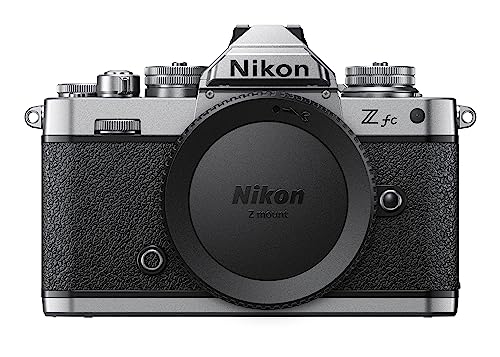
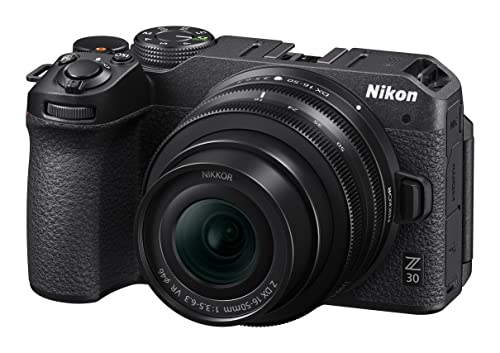
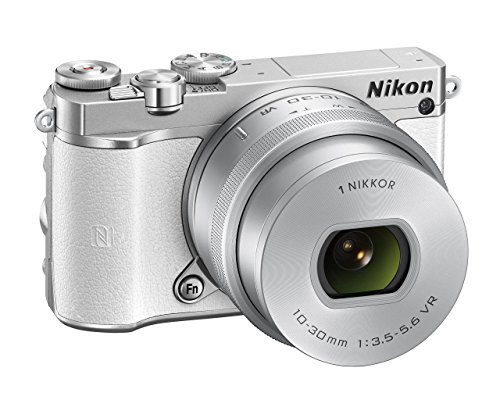
The most approachable current choices are generally DX mirrorless bodies. Z50 II provides a viewfinder, EXPEED 7 autofocus, and strong stills/video flexibility; Z30 is simpler and more video-oriented but has no viewfinder; and Z fc adds traditional dials and distinctive styling at the cost of a shallower grip. Z5 and Z5 II introduce full-frame image quality and in-body stabilization, but their FX lenses are normally larger and more expensive.
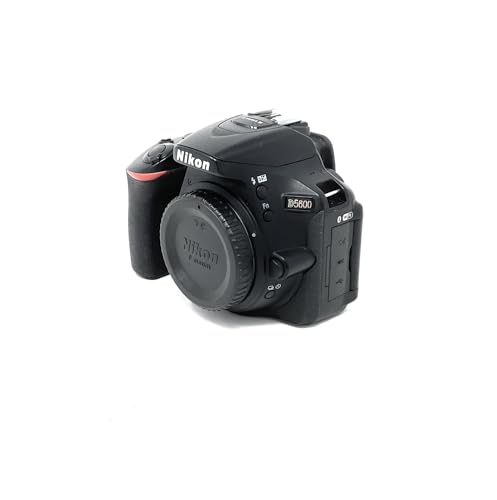
Nikon's broad product history can make the choice confusing. Older D3500/D5600 DSLRs offered beginner-friendly controls, but Nikon's active development has moved to Z mirrorless; early Z bodies also have less capable autofocus than the newest EXPEED 7 generation. Beginners should prioritize a current lens path, suitable size, straightforward autofocus, and total kit cost rather than buying a professional body whose capabilities and price exceed their needs.
Which Nikon cameras are best for beginners?
The strongest Nikon camera options for beginners are as follows:
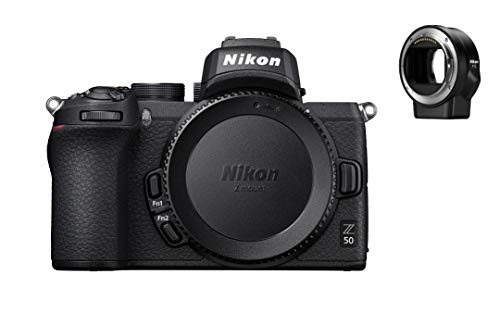
- Nikon Z50 II: This is the strongest all-round beginner choice for users who want both photography and video, with a DX sensor, electronic viewfinder, comfortable grip, and newer EXPEED 7 subject-detection autofocus. It is more capable than the original Z50, but it lacks in-body stabilization and needs a lens with VR or careful technique for slower handheld shooting.
- Nikon Z30: The Z30 is a compact DX model designed around video and everyday content creation, with a fully articulating screen, microphone input, and simple handling. It is affordable and easy to carry, but the missing electronic viewfinder and absent IBIS make it less suitable for bright-sun photography, long telephoto use, or stabilized walking footage.
- Nikon Z fc: The Z fc uses the same compact DX concept with a viewfinder and external shutter-speed, ISO, and exposure-compensation dials. Those controls can make exposure relationships more visible to a learner, although the shallow grip, lack of IBIS, and style-focused body shape are less comfortable with large lenses.
- Nikon Z5 and Z5 II: These provide an accessible route to full-frame FX photography with in-body stabilization, a substantial grip, and Z-mount lens compatibility. Z5 II adds newer EXPEED 7 autofocus and processing, but both bodies and their full-frame lenses cost and weigh more than a DX Z50-series kit, so beginners should confirm that full frame solves a real low-light or depth-of-field need.
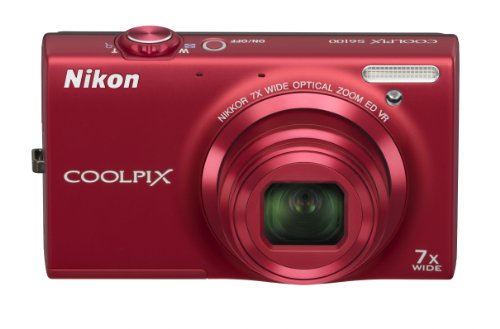
- Nikon COOLPIX P950: This fixed-lens camera provides very long optical zoom ranges without requiring lens changes, making them approachable for daylight wildlife, aircraft, or distant travel subjects. Their small sensors, slower telephoto apertures, larger bridge-camera bodies, and more limited low-light quality make them specialized all-in-one tools rather than substitutes for a Z camera with a large sensor.
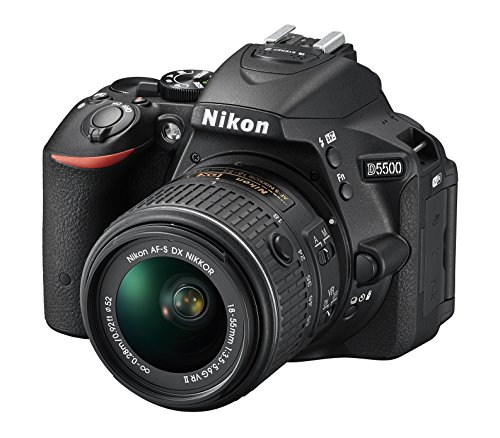
- Nikon D3500 and D5600: These discontinued DX DSLRs were popular beginner cameras; the D3500 included an especially approachable Guide mode, while the D5600 added a more flexible screen and controls. They belong to the closed F-mount DSLR path rather than Nikon's current Z development, so they are useful historical references but not the preferred current new-system recommendation.
How much do Nikon cameras for beginners cost?
Current new Nikon cameras suited to beginners generally cost about £500-£1,200 for the body, fixed-lens camera, or basic kit. Most first-time buyers should plan for approximately £600-£1,000 once a useful lens, memory card, and spare battery are included.
DX Z-system bodies occupy the most accessible tier. Z30 starts around £500, Z fc and original Z50 models sit higher depending on kit configuration, and Z50 II is around £800-£900 before or with a basic zoom. A 16–50 mm kit lens is compact and practical for everyday use, while a 50–250 mm lens, fast prime, microphone, or extra battery adds several hundred euros.
Fixed-lens COOLPIX P950 bridge cameras generally cost around £730. Its long zoom is included, so there is no separate lens budget, but buyers trade away the larger DX sensor, interchangeable lenses, stronger low-light quality, and broader upgrade path of a Z camera.
Entry full-frame Z5/Z5 II bodies cost roughly £1,000-£1,200 before lenses. In-body stabilization and FX image quality are valuable, but suitable full-frame zooms and primes are generally larger and more expensive than DX alternatives. A beginner should choose full frame only when the intended low-light, portrait, or lens requirements justify the higher total rather than assuming it is necessary for learning photography.
Are Nikon mirrorless or DSLR cameras better for beginners?
Nikon mirrorless cameras are better than Nikon DSLRs for nearly every beginner starting a new system in 2026. Z cameras provide live exposure and white-balance preview, stronger face/eye autofocus, better video, easier screen-based shooting, current firmware development, and Nikon's active lens roadmap.
A DSLR optical viewfinder has genuine advantages: it shows the scene directly without display lag, consumes less power while composing, and can be satisfying for learning traditional camera operation. D3500 also offered a useful Guide mode, and the F-mount lens catalog is historically extensive. However, Nikon no longer develops new DSLR bodies, and beginner models such as D3500/D5600 lead into a closed system rather than the current Z platform.
Mirrorless makes autofocus and exposure easier to understand because the viewfinder or screen can preview the final brightness and Picture Control. Z50 II is particularly beginner-friendly because its newer EXPEED 7 processor improves subject recognition and tracking, while Z30 is a better fit for users who mainly record video and do not need a viewfinder. Z5 II is the full-frame route for buyers who need IBIS and FX performance.
Choose a Nikon DSLR only when an existing F-mount lens collection or a strong preference for an optical viewfinder clearly outweighs the lack of current development. Otherwise, a DX Z body is the more practical learning platform, with FTZ adaptation available later for many AF-S/AF-P F-mount lenses if needed.
What should you consider while choosing the best Nikon camera for beginners?
Consider the following points while choosing a Nikon camera for a beginner:
- Start with the type of camera: Choose a Z50 II or Z fc for general photography with a viewfinder, Z30 for video-first use, Z5/Z5 II for a justified full-frame need, or a COOLPIX bridge model when a built-in long zoom matters more than sensor size and lens changes. Avoid paying for professional speed, controls, or codecs that will not be used.
- Choose DX or FX deliberately: DX cameras apply a 1.5× field-of-view crop, reduce body and lens cost, and are sufficient for learning, travel, family, wildlife, and most video. FX improves low-light flexibility and shallow-depth-of-field control with equivalent framing, but full-frame lenses increase the total size and price.
- Check the autofocus generation: Z50 II and Z5 II use newer EXPEED 7 subject-detection logic, while original Z50/Z5 and older cameras have less capable recognition and tracking. Confirm that face, eye, animal, bird, or vehicle detection works in the intended stills and video modes rather than judging autofocus only from the number of focus points.
- Understand stabilization: Nikon DX Z bodies such as Z30, Z50/Z50 II, and Z fc do not include in-body stabilization, so lens VR, shutter speed, technique, tripod use, or electronic video stabilization becomes important. Z5/Z5 II and most current FX Z bodies add IBIS, but it does not freeze subject movement and electronic video modes may still crop the image.
- Price the first two lenses: A 16–50 mm DX kit zoom is compact for everyday use, while a 50–250 mm zoom covers sport, wildlife, and distant subjects; a fast prime can improve low-light and portrait results. Check whether a lens is DX or FX, whether it includes VR, and what the second useful focal range will cost before choosing the body.
- Compare guided operation and handling: Auto mode, live exposure preview, touch controls, scene options, Picture Controls, and the i menu can make a Z camera easier to learn, while the Z fc's external dials show settings more visibly. Try the grip, viewfinder, screen articulation, button placement, and menu language; Z30 lacks a viewfinder and Z fc is less secure with larger lenses.
- Match video and connectivity to actual use: Check 4K frame rate and crop, autofocus, screen direction, microphone input, USB power, recording duration, and SnapBridge transfer rather than choosing from a generic 4K label. Video-focused beginners should also budget for audio and a sufficiently wide lens, while photography-first users may value a viewfinder and longer battery endurance more.
- Budget for the complete learning kit: Include a lens, memory card, spare battery, charger where needed, bag, cleaning supplies, and possibly a tripod or microphone. A modest DX body with the correct lens and comfortable controls is normally a better learning tool than an FX or professional body that leaves no budget for optics and practice.