
Are Nikon cameras good?
Nikon cameras have an average overall score of [shortcode-12249528233589245170107861386628168277943820730274], ranking #[shortcode-03143838408856531681101897572205300735514136370406] among comparable camera brands, and a user rating of [shortcode-12717292827709937676097010070511566870692917117555], placing them at #[shortcode-05639888486811291891183451745081483933440470130639] based on user reviews.
Yes, Nikon cameras are very good, particularly for photographers who prioritize still-image quality, handling, dependable exposure, and a strong selection of full-frame lenses. Nikon sensors typically deliver flexible RAW files with wide dynamic range at low ISO, while the company’s grips, control dials, viewfinders, and menu customization suit long shooting sessions better than many small, minimalist bodies.
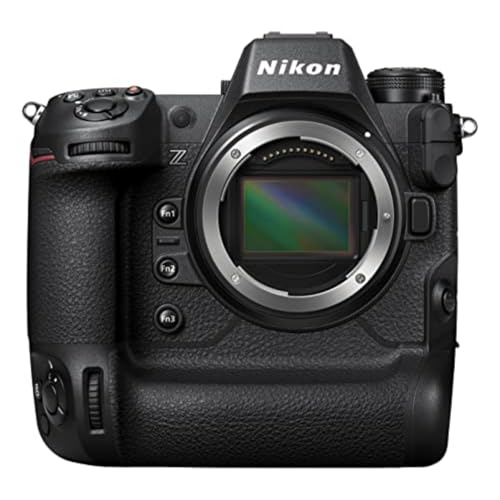
The latest EXPEED 7 generation also closes much of Nikon’s earlier mirrorless autofocus gap. The Z9 and Z8 can recognize people, animals, birds, vehicles, and aircraft, and their stacked 45.7 MP sensors support fast blackout-free shooting without a mechanical shutter; the 24.5 MP Z6 III brings similarly modern tracking to a smaller hybrid body. Nikon is also unusually strong for photographers who want high-resolution stills and advanced video in one body, with selected models offering internal N-RAW, ProRes RAW, 10-bit N-Log, and high-frame-rate 4K modes.
Nikon is less automatically compelling at the entry level. Some affordable Z bodies omit in-body image stabilization, Nikon’s DX-format native-lens range remains smaller than its full-frame selection, and first-generation Z6/Z7 autofocus is noticeably less confident than the newest models for erratic action. Buyers should therefore choose by body generation, lens plan, and shooting subject rather than treating every Nikon as equivalent.
What are the main advantages of Nikon cameras?
The main advantages of Nikon cameras are as follows:
- RAW image quality and dynamic range: Nikon’s full-frame and APS-C sensors produce detailed files with generous highlight and shadow latitude, especially at low ISO. That flexibility is valuable for landscapes, weddings, studio work, and any scene that needs substantial exposure adjustment in editing.
- Ergonomics and direct control: Deep grips, well-placed command dials, clear viewfinders, and extensive button customization make most Nikon bodies comfortable with large lenses. The interface is designed for changing exposure and autofocus settings without repeatedly entering touch menus.
- High-quality Z lenses: Nikon’s S-Line primes and zooms are known for strong sharpness, controlled aberrations, and good edge performance, while more affordable non-S lenses keep the system accessible. The short, wide Z mount also supports fast lenses such as the Nikkor Z 58mm f/0.95 S Noct and compact designs that were difficult to realize on the older F mount.
- Capable modern autofocus: EXPEED 7 bodies such as the Z9, Z8, Z6 III, and Zf offer substantially improved subject recognition and tracking compared with early Z models. They are credible choices for birds, wildlife, sports, events, and video, not only for static subjects.
- Useful legacy-lens path: The FTZ and FTZ II adapters allow many F-mount Nikkor lenses to work on Z bodies with metering, stabilization support, and autofocus where the lens has a compatible built-in motor. This can reduce switching costs for established Nikon DSLR owners, although compatibility is not identical for every older lens.
- Strong hybrid features in upper-tier bodies: Selected Nikon cameras record 10-bit N-Log, ProRes, ProRes RAW, or N-RAW internally and combine these formats with effective stabilization and high-resolution stills. That makes the Z8, Z9, and Z6 III especially versatile for creators who do not want separate stills and cinema systems.
What are the main disadvantages of Nikon cameras?
The main disadvantages of Nikon cameras are as follows:
- Uneven autofocus between generations: The Z9, Z8, Z6 III, and Zf use newer EXPEED 7 processing, but the original Z6, Z7, Z50, and related early bodies track erratic subjects less reliably. A low clearance price can therefore conceal a meaningful performance gap for sports, birds, or children in motion.
- Limited DX-native lens breadth: Nikon offers useful DX zooms and several compact primes, but the APS-C Z range is still narrower than the full-frame Z catalogue and some rival APS-C systems. DX owners who need specialist fast zooms, macro lenses, or long telephotos may have to use full-frame Z glass, adapt F lenses, or rely on third-party options.
- In-body stabilization is not universal: Models such as the Z30, Z50, and Zfc depend on lens-based VR or electronic video stabilization because the sensor itself is not stabilized. This matters with unstabilized primes, handheld low-light photography, and walking video, where stabilized full-frame bodies are easier to use.
- F-mount adaptation has limits: FTZ adapters work well with AF-S, AF-P, and AF-I lenses, but older screw-drive AF and AF-D lenses generally lose autofocus because the adapter has no focus motor. Very old or specialist lenses may also have metering, aperture-control, or handling restrictions that should be checked individually.
- Video capability varies sharply by body: Premium models offer sophisticated codecs and high frame rates, while entry and older cameras may add crops, shorter limits, weaker heat management, or only 8-bit internal recording. Rolling shutter also depends heavily on sensor readout, so a high-resolution body is not automatically the best choice for fast pans or moving subjects.
- System cost can rise quickly: Nikon’s best S-Line zooms and telephotos are optically excellent but often large and expensive, and high-end bodies can require CFexpress Type B cards with fast readers. A seemingly affordable body may therefore become a costly kit once suitable glass, storage, batteries, and support equipment are included.
Who makes Nikon cameras?
Nikon cameras are made by Nikon Corporation, a Japanese imaging and precision-optics company headquartered in Tokyo. The business began in 1917 as Nippon Kogaku K.K., formed through the consolidation of several Japanese optical manufacturers, and built its early reputation with binoculars, microscopes, rangefinders, and other optical instruments. Its Nikkor lens name dates to the 1930s, while the first camera carrying the Nikon name, the Nikon I rangefinder, appeared in 1948.
Nikon became one of the defining 35 mm SLR manufacturers after launching the Nikon F in 1959. The F mount then remained central to the company’s interchangeable-lens cameras for roughly six decades, spanning manual-focus film bodies, professional F-series cameras, and digital SLRs such as the D3, D850, and D500. Nippon Kogaku formally changed its corporate name to Nikon Corporation in 1988, reflecting how strongly the camera brand had come to identify the wider company.
Today Nikon designs cameras, Nikkor lenses, imaging software, and related optics around its mirrorless Z system, introduced in 2018 with a wider 55 mm throat and short 16 mm flange distance. It still supports many F-mount users through FTZ adapters and continues to have a large DSLR and legacy-lens base. Nikon manages product development from Japan and uses multiple manufacturing locations and suppliers; depending on the model or component, production has included facilities in Japan and Thailand, so the country printed on a specific body or lens should be checked rather than assumed.
What are the main Nikon camera models?
The main Nikon camera models and families are as follows:
- Z9 and Z8: These professional full-frame bodies use stacked 45.7 MP sensors and omit the mechanical shutter, combining fast readout, advanced subject detection, high burst rates, and internal high-resolution RAW video. The integrated-grip Z9 prioritizes maximum battery life and durability, while the smaller Z8 delivers much of the same performance for wildlife, sport, events, and demanding hybrid work.
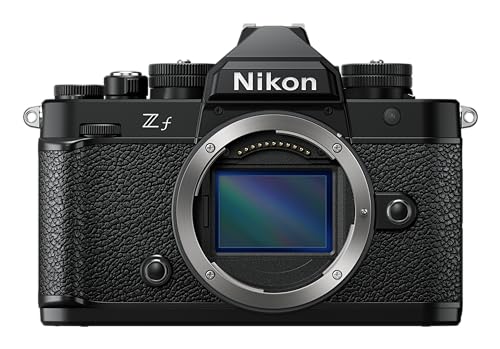
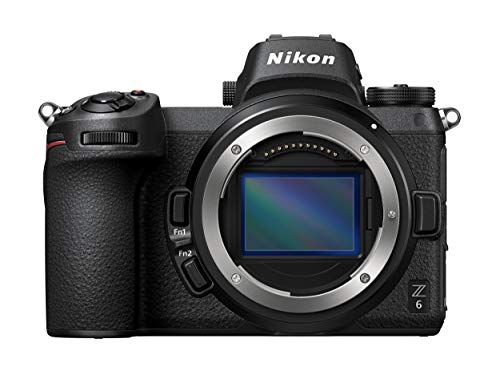
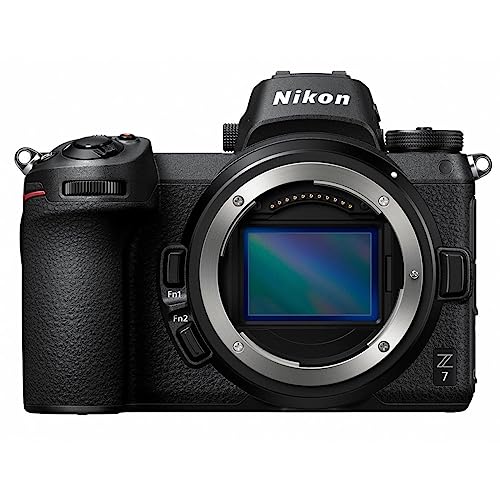
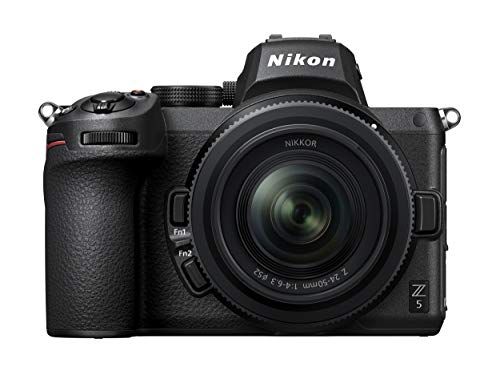
- Z6, Z7, Z5, and Zf families: The Z6 line is Nikon’s general-purpose 24 MP-class full-frame hybrid range, with the Z6 III adding a partially stacked sensor and EXPEED 7 autofocus; the Z7 line instead emphasizes 45.7 MP resolution for landscape, studio, and detailed commercial work. The Z5 is the value-oriented route into full frame, while the Zf combines a 24.5 MP sensor and modern autofocus with physical controls inspired by Nikon film cameras.
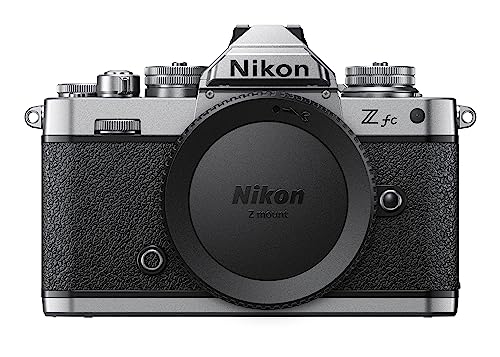
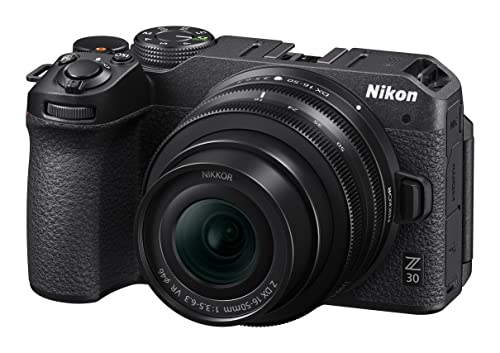
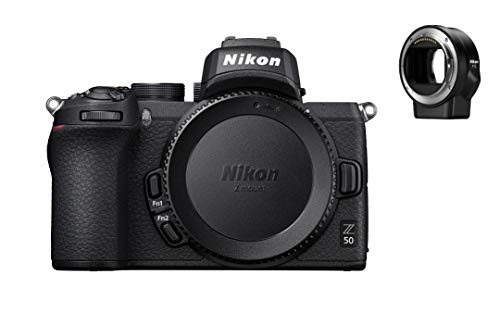
- Z50, Zfc, and Z30: These compact DX-format mirrorless cameras use approximately 20.9 MP APS-C sensors and share the Z mount with Nikon’s full-frame bodies. The Z50 is the conventional all-rounder, the Zfc adds retro styling and top-plate dials, and the viewfinder-free Z30 is aimed mainly at lightweight video, vlogging, and travel kits.
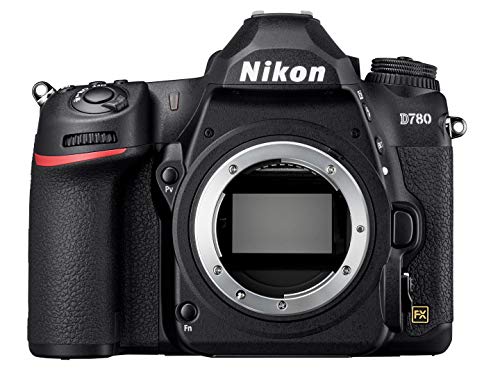
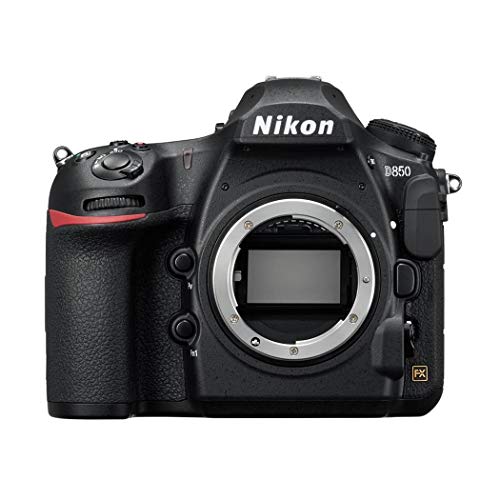
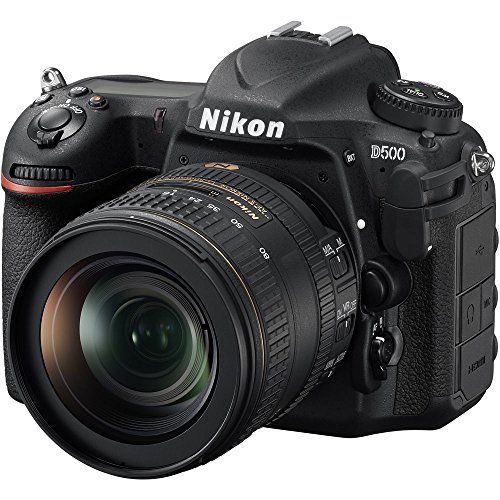
- Professional and enthusiast DSLRs: The 45.7 MP D850 remains a highly capable high-resolution DSLR, the D780 blends optical-viewfinder shooting with strong live-view autofocus, and the D500 is a durable DX action body with a deep buffer. These cameras suit photographers committed to F-mount lenses, but they are larger than equivalent mirrorless bodies and belong to a system receiving less new-product development.
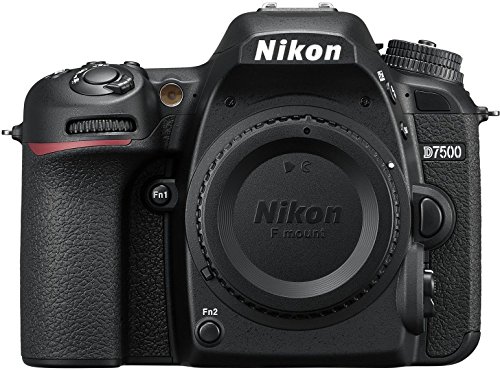
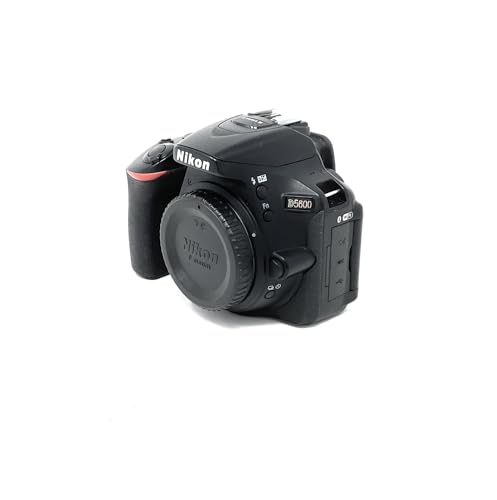
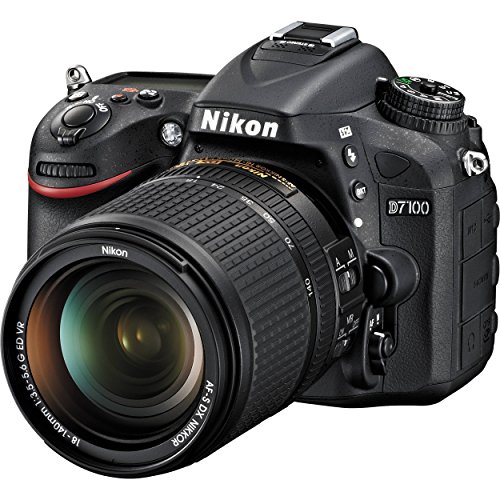
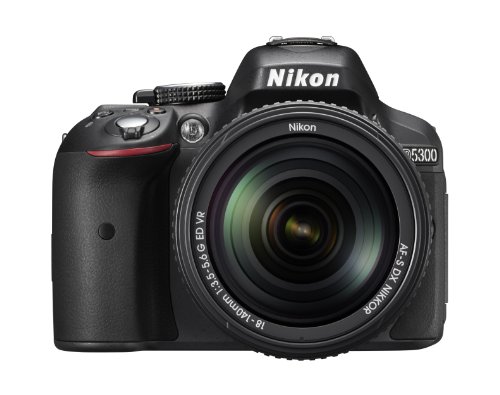
- D7500, D5600, and D3500 DSLR lines: The D7500 offers enthusiast controls, an APS-C sensor, and faster action performance, while the smaller D5600 and D3500 families were designed for beginners and general photography. They provide access to many F-mount lenses, but these discontinued lines should be chosen only when their optical viewfinders or specific DSLR handling are essential. Buyers should check lens-motor compatibility, current parts and battery support, video limitations, and whether moving directly to Z mount offers a better long-term path.
How much do Nikon cameras cost?
New Nikon cameras generally cost about £500-£6,300 for the body or a basic kit. The wide span reflects the difference between compact DX cameras, mainstream full-frame hybrids, high-resolution enthusiast bodies, and professional stacked-sensor flagships.
Entry-level Z30, Z50, and Zfc kits commonly sit around £500-£1,000, depending on the included DX zooms. These cameras are the lightest route into the Z system, but adding full-frame lenses to solve gaps in the DX range can reduce the apparent saving in both price and weight. Nikon’s discontinued DSLR families should be viewed as a separate legacy system rather than used to set expectations for current Z-camera pricing.
Full-frame Z bodies usually occupy roughly £1,100-£3,000. The Z5 and lower-tier Z6 configurations sit toward the accessible end, while newer Z6, Z7, and Zf variants cost more according to autofocus generation, resolution, stabilization, viewfinder, card slots, and video features. Professional Z8 and Z9 bodies generally land around £3,400-£6,300 before lenses, with exact retail prices changing through rebates and replacement cycles.
Lens cost matters as much as body cost in the Nikon system. Compact primes and variable-aperture zooms can be relatively affordable, but f/2.8 S-Line zooms, fast portrait primes, and long wildlife lenses may add £900-£8,600 or more individually. Also budget for spare EN-EL batteries, a compatible charger, filters, and the correct cards: bodies using CFexpress Type B need faster and more expensive media than models that rely only on SD cards.
How do Nikon cameras compare with Canon models?
Nikon and Canon both make excellent cameras, but Nikon is often the better fit for buyers who prefer deep grips, highly flexible RAW files, strong Z-mount optical designs, and access to advanced internal video formats on upper-tier bodies; Canon is often preferable for consistently polished subject tracking across more model tiers and for photographers already invested in EF or RF lenses. The decision is less about image quality—which is excellent from both—and more about the exact body generation and lens set.
For autofocus, Canon’s Dual Pixel CMOS AF established an early mirrorless advantage and recent EOS R bodies remain especially intuitive for people, animals, and moving subjects. Nikon’s first Z6 and Z7 were less dependable for fast action, but EXPEED 7 models such as the Z9, Z8, Z6 III, and Zf are substantially more competitive. Nikon’s stacked Z8 and Z9 also avoid a mechanical shutter entirely, whereas Canon’s implementation varies by model; compare readout speed, burst duration, and image-quality restrictions in the modes you will actually use.
The lens ecosystems differ in useful ways. Nikon’s Z range has outstanding S-Line zooms and primes, compact alternatives, PF telephotos, and a growing selection from Tamron, Sigma, Viltrox, and other third parties. Canon’s RF range covers everything from inexpensive consumer zooms to specialist L-series lenses and adapts EF lenses extremely well, but third-party autofocus choices have historically been more controlled and remain uneven between full frame and APS-C. Existing Nikon F lenses favor a Nikon body through FTZ, while a large EF collection strongly favors Canon through an EF–EOS R adapter.
Video and handling can break the tie. Nikon’s Z8 and Z9 support internal N-RAW and ProRes RAW, and the Z6 III offers strong hybrid specifications; Canon counters with mature Dual Pixel video autofocus, useful Cinema EOS crossover, and advanced options in bodies such as the EOS R5 generation. Try both control systems with the intended lens, then price the complete kit—body, two or three core lenses, cards, batteries, and adapter—because a small body-price difference matters less than the long-term system cost.
What should you consider while choosing the best Nikon camera?
Consider the following points while choosing a Nikon camera:
- Choose FX or DX deliberately: Nikon FX bodies use full-frame sensors, while DX models use smaller APS-C sensors with a 1.5× crop factor. DX can reduce body and telephoto-kit size, but FX generally provides more control over depth of field and better high-ISO potential; mounting a DX lens on an FX body normally activates a lower-resolution crop mode.
- Confirm Z-mount or F-mount priorities: Z mount is Nikon’s current development platform and offers the newest bodies and native lenses, while F-mount DSLRs provide an enormous used-lens market. If adapting lenses, verify the exact model: AF-S, AF-I, and AF-P lenses generally retain autofocus through FTZ, but screw-drive AF and AF-D lenses usually become manual-focus lenses.
- Check the autofocus generation, not only the point count: EXPEED 7 cameras such as the Z9, Z8, Z6 III, and Zf have more advanced subject detection and tracking than early Z6, Z7, Z50, and Z5-generation bodies. For sport, birds, pets, or children, test continuous AF with the intended lens and confirm burst-rate, RAW, and shutter-mode restrictions.
- Verify stabilization for the complete lens-body combination: Many full-frame Z cameras include five-axis in-body image stabilization, but bodies such as the Z30, Z50, and Zfc do not. On an unstabilized body, choose a VR lens or accept higher shutter speeds and more support equipment; electronic video stabilization can add a crop and does not replace mechanical stabilization.
- Match resolution and sensor readout to the subject: A 45.7 MP Z7, Z8, Z9, or D850 gives generous cropping and print detail but creates larger files and demands sharper technique and lenses. For fast action or video, examine readout speed and rolling shutter as well as megapixels—the stacked Z8/Z9 sensors behave very differently from slower high-resolution sensors.
- Check video modes line by line: Confirm whether the desired 4K or 8K frame rate is cropped, whether 10-bit N-Log, N-RAW, or ProRes requires internal or external recording, and whether autofocus and stabilization behave differently in that mode. Also check heat limits, microphone and headphone ports, full-size versus micro HDMI, and whether the screen articulation suits filming yourself.
- Plan cards, batteries, and workflow: Nikon bodies may use SD UHS-I, SD UHS-II, CFexpress Type B, XQD, or a mixed dual-slot arrangement, and the fastest bursts or RAW video can require approved high-speed media. Check whether both slots support the same functions, price sufficient capacity, and confirm that your computer, card reader, storage, and editing software can handle the selected RAW or video codec.
- Price the lenses before choosing the body: List the actual focal lengths and apertures needed for portraits, travel, wildlife, macro, or events, then compare native Z, adapted F, and third-party options. Pay attention to total carried weight, teleconverter compatibility, minimum focus distance, weather sealing, focus breathing, and whether a lens receives firmware updates through the camera.