
Are Canon cameras good for beginners?
Canon cameras for beginners have an average overall score of [shortcode-13960996193070268290085982946351154559923295635517], ranking #[shortcode-16063494470070211649173744961548922904303758398076] among comparable camera brands, and a user rating of [shortcode-07110261687519936688053528888289759938952908865188], placing them at #[shortcode-10599947735518359556078881096913151708601162691360] based on user reviews.
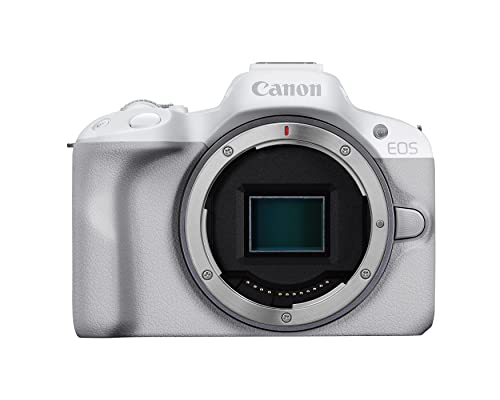
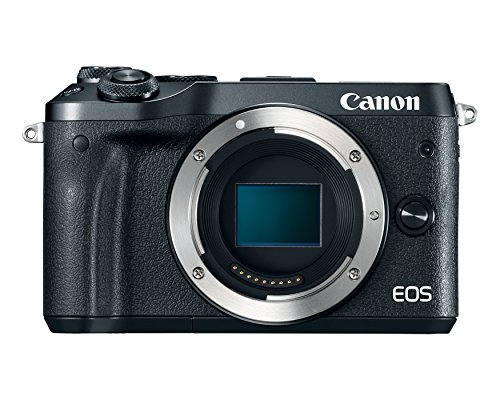
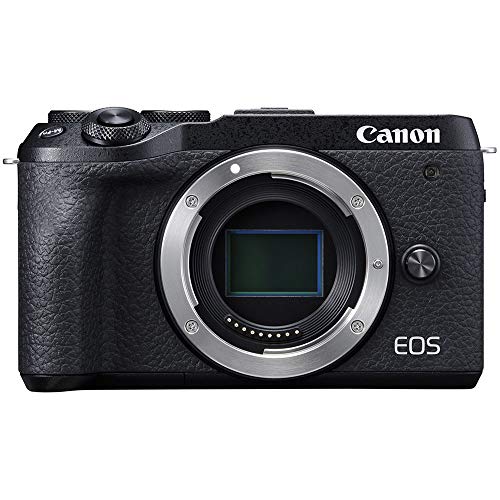
Yes, Canon cameras are good for beginners because current EOS R models combine clear touch menus, guided automatic modes, dependable face and eye autofocus, and familiar controls that remain useful as skills improve. The R50 is the strongest all-round starting point for many buyers: it has a fully articulating touchscreen, modern Dual Pixel subject tracking, an electronic viewfinder, oversampled 4K, and enough manual control for photography, travel, family video, and learning.
The cheaper R100 is simpler and uses a fixed rear screen, making it better for basic viewfinder photography than vlogging or touch-led learning. The R10 costs more but adds stronger controls, faster operation, and more room to grow into action and enthusiast work. All three use Canon's APS-C format with a 1.6× field-of-view crop, which makes telephoto lenses feel longer but means the RF-S 18–45 mm kit zoom starts at roughly 29 mm equivalent rather than a truly wide 18 mm-equivalent view.
Beginners still need to check limitations. The R100, R50, and R10 lack in-body stabilization, so handheld stabilization depends on an IS lens, digital video stabilization, or support. Kit lenses are compact but relatively slow in dim light, batteries are smaller than those in larger bodies, and the cost of a useful second lens can matter more than a minor body upgrade. Canon is beginner-friendly, but choosing the right lens and system matters more than staying in automatic mode forever.
Which Canon cameras are best for beginners?
The main Canon cameras and model families for beginners are as follows:
- EOS R50: The R50 is the best-balanced current Canon beginner camera for users who want photos and video, offering an APS-C sensor, fully articulating touchscreen, electronic viewfinder, strong Dual Pixel subject tracking, and approachable automatic modes. It lacks in-body stabilization and advanced professional controls, but it gives a beginner far more room to grow than a basic fixed-screen body.
- EOS R100: The R100 is the lower-cost RF entry point, aimed mainly at straightforward photography through an electronic viewfinder. Its fixed non-touch screen, simpler autofocus generation, modest burst performance, and limited creator ergonomics reduce versatility, but it can make sense when budget is strict and video or vlogging is secondary.
- EOS R10: The R10 suits a beginner who expects to progress quickly into sport, wildlife, travel, or manual control. It retains the APS-C size and accessible interface but adds stronger controls, faster bursts, a better grip, and more responsive operation than the R50/R100 tier; the trade-off is higher cost and no in-body stabilization.
- EOS R7: The R7 is an ambitious beginner or enthusiast choice rather than a basic starter body. Its APS-C crop, in-body stabilization, dual card slots, larger battery, weather-oriented construction, and stronger controls suit wildlife and action, but the added price and complexity only pay off when those features will actually be used.
- EOS R8: The R8 is a compact full-frame option for beginners focused on portraits, low light, and shallow depth of field. It has excellent modern autofocus and image quality but no in-body stabilization, a smaller battery, and more expensive full-frame lenses, so it is less economical and forgiving as a first system than the R50 or R10.
- PowerShot V1, V10, and G7 X Mark III: Fixed-lens Canon creator cameras remove the need to choose and change lenses. They suit beginners whose priority is travel video, vlogging, or pocketable everyday capture, but the built-in lens cannot be upgraded and each model differs sharply in autofocus, stabilization, audio monitoring, and still-photo controls.
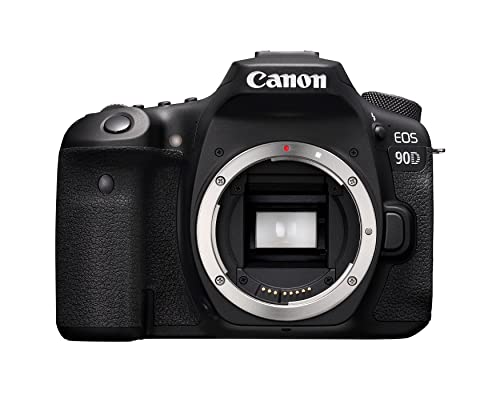
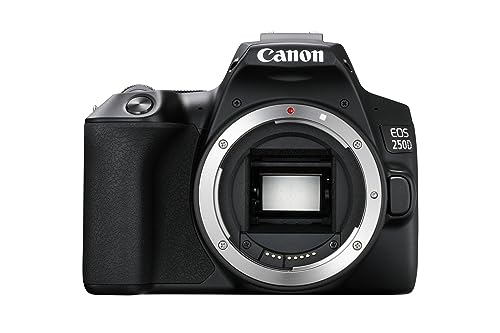
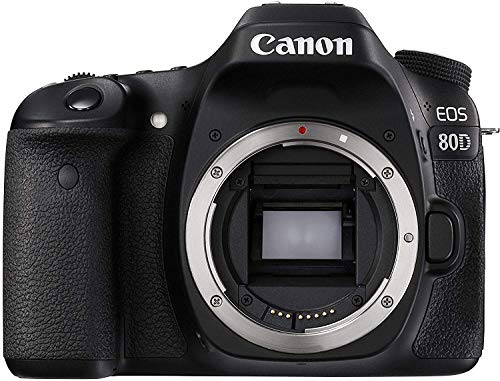
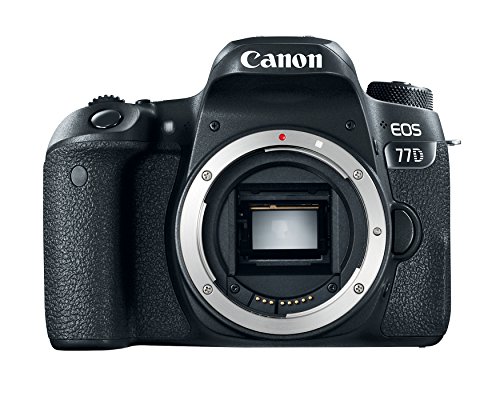
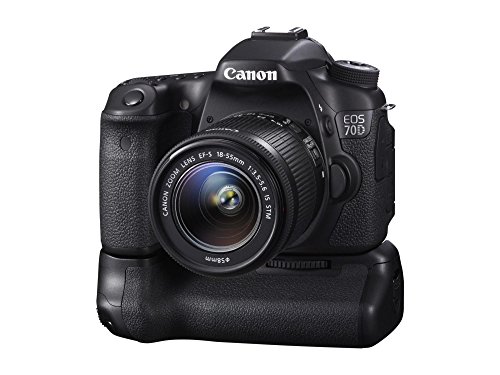
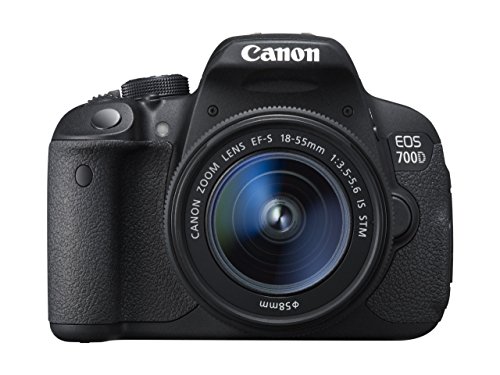
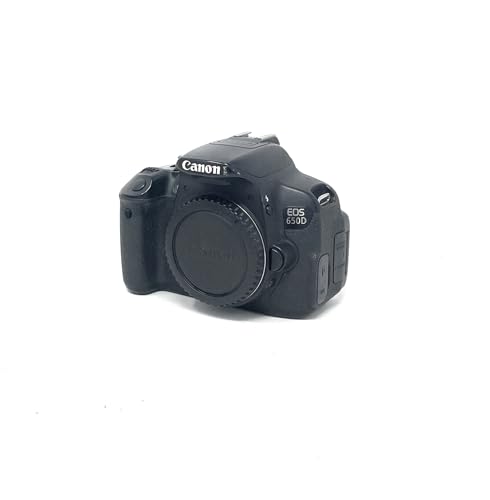
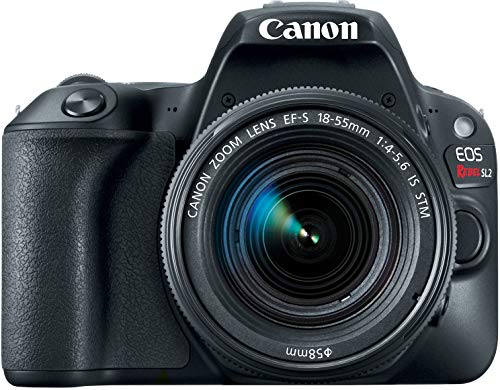
- EOS 250D/2000D and other entry DSLRs: Canon's beginner DSLRs offer optical viewfinders, long battery endurance, and EF/EF-S lens compatibility. They are now a mature system rather than Canon's active development path; viewfinder autofocus, live-view autofocus, screen design, and video vary by generation, so they make most sense for buyers who deliberately prefer DSLR operation or already have suitable lenses.
How much do Canon cameras for beginners cost?
A current new Canon beginner camera generally costs about £300-£1,500 for the body or basic kit, but the most sensible starter range is roughly £600-£1,100. The broad Canon catalogue includes professional bodies and discontinued generations that do not represent beginner pricing, so the budget should be based on an R100, R50, R10, or a clearly justified step-up model.
An EOS R100 kit typically occupies the £300-£600 tier, while an R50 kit is commonly around £600-£800. The R50's extra touchscreen, articulating display, newer autofocus behavior, and creator flexibility often justify the difference for a first all-round camera. The R10 generally costs around £800-£1,100 and pays for stronger controls, speed, and room to grow rather than a radically different APS-C image-quality baseline.
An R7 or R8 body commonly falls around £1,000-£1,500. The R7 adds stabilization, dual cards, stronger batteries and controls for action-oriented users; the R8 adds a full-frame sensor but no in-body stabilization and leads to more expensive full-frame lenses. Neither is automatically better for learning than an R50 with the right lens.
Allow at least £300-£700 beyond the body for a useful second lens, spare battery, memory card, bag, and simple support. A portrait prime, longer telephoto, or genuinely wide zoom changes what the camera can do far more than many small body-specification upgrades. Video beginners may also need a microphone, wind protection, grip, light, USB power, and storage, adding another £130-£520.
Are Canon mirrorless or DSLR cameras better for beginners?
Canon mirrorless cameras are better than Canon DSLRs for most beginners because EOS R is the active system and provides easier autofocus, exposure preview, subject tracking, touch operation, and video. An R50 or R10 shows the final brightness, white balance, and depth-of-field effect in its electronic viewfinder or screen, while face and eye detection work across much more of the frame than the dedicated viewfinder AF system in a basic DSLR.
Mirrorless is also the safer growth path. RF and RF-S lenses are Canon's current platform, and EF or EF-S DSLR lenses can be adapted to EOS R with electronic aperture, autofocus, and optical stabilization generally retained. The reverse is not possible: RF lenses cannot be mounted on Canon DSLRs. For a buyer starting without lenses, building directly around RF avoids planning a later system transition.
A DSLR still has specific advantages. Models such as the 250D or 2000D provide an optical viewfinder with no display lag, long battery endurance, and access to mature EF/EF-S lenses. They can teach exposure and composition perfectly well, but autofocus through the viewfinder may cover fewer points, live-view performance varies greatly by generation, video features are older, and Canon is not developing a broad new DSLR roadmap.
Choose a Canon DSLR only when the optical viewfinder, battery life, existing EF lenses, or a specific course or workflow makes it the deliberate better fit. Otherwise, choose an R50 for the best beginner balance, an R100 only for a strict photography-first budget, or an R10 when stronger controls and action capability justify the extra cost.
What should you consider while choosing the best Canon camera for beginners?
Consider the following points while choosing a Canon camera for beginners:
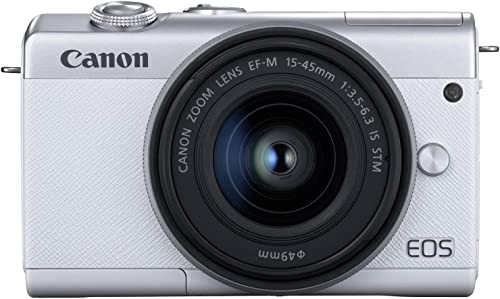
- Choose the system before the body: RF/RF-S is Canon's current platform, EF/EF-S DSLR is mature, and EF-M is discontinued. A beginner building from zero should normally choose EOS R, because RF lenses stay within the active upgrade path and adapted EF lenses remain an option later.
- Start with APS-C unless full frame solves a clear need: The R100, R50, R10, and R7 use a 1.6× crop that helps telephoto framing and keeps bodies and lenses smaller. Full-frame cameras such as the R8 improve low-light and shallow-depth-of-field flexibility, but suitable lenses cost and weigh more and do not automatically make learning easier.
- Compare guided controls and physical controls: The R50 emphasizes touchscreen guidance, Creative Assist-style operation, and a simple interface, while the R10 adds more direct dials and a stronger grip. The R100's fixed non-touch screen is less intuitive for users expecting phone-like interaction, even if its image quality is adequate.
- Check autofocus generation: Modern Dual Pixel cameras can track faces, eyes, animals, and other subjects across much of the frame, but supported subjects and controls vary by model. Verify continuous focus, touch tracking, low-light behavior, and whether autofocus changes in cropped 4K or high-frame-rate modes.
- Do not assume in-body stabilization: The R100, R50, R10, and R8 lack IBIS, so check whether the kit or second lens includes optical IS. Digital video stabilization also crops the frame; for handheld low-light photos, an unstabilized bright prime needs better technique or support.
- Price the first two lenses, not only the kit: The RF-S 18–45 mm is small and useful in daylight, but its roughly 29 mm-equivalent wide end can be tight for interiors and vlogging, and its aperture is slow in dim light. Plan whether the next purchase should be a wide zoom, portrait prime, travel zoom, or telephoto and include roughly £300-£700 in the initial system budget.
- Check size with the intended lens: A small R50 body can become front-heavy with a large full-frame RF zoom, while an R7 or R8 may still feel compact with a light prime. Try the grip, viewfinder, controls, screen movement, bag fit, and total carried weight rather than comparing body grams alone.
- Inspect video needs early: Confirm 4K crop, frame rates, microphone input, headphone output, screen articulation, heat limits, USB power, and stabilization. A beginner interested in family video or content creation will outgrow a fixed-screen or heavily cropped video setup faster than a photography-only user.
- Compare battery and charging: Mirrorless cameras use power continuously for the sensor, screen, and electronic viewfinder, so a spare battery can be essential for travel or events. Check USB charging and power support, battery type, charger inclusion, and whether the battery door remains accessible on a tripod plate.
- Leave room to learn: Manual exposure, RAW files, custom buttons, external flash, and lens choice become more important after the first months. Buy a camera with controls and lenses that support the next skill level, but do not pay for dual cards, professional video codecs, or flagship burst rates unless the intended work will use them.