
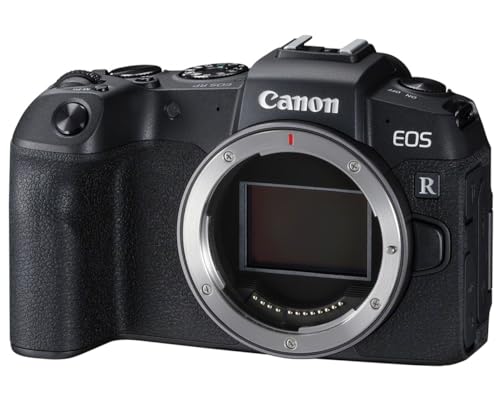
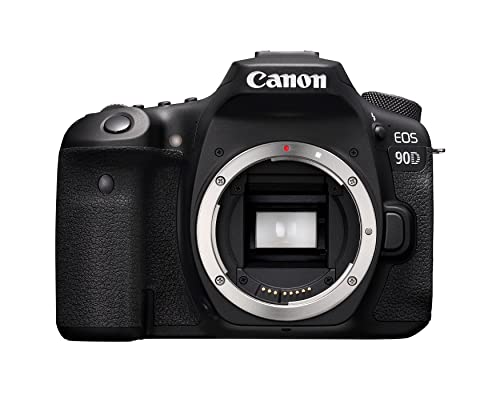
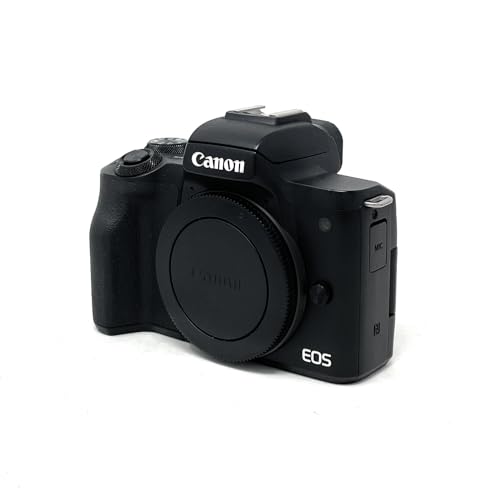
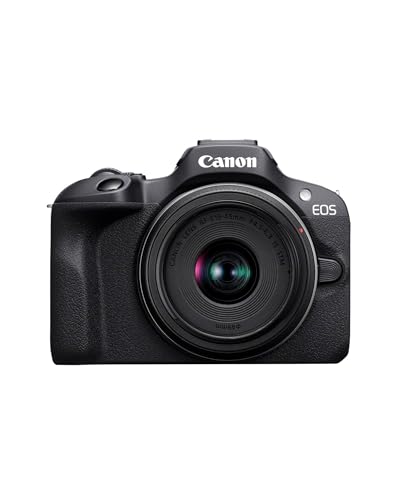
Are Canon digital cameras good?
Canon digital cameras have an average overall score of [shortcode-13960996193070268290085982946351154559923295635517], ranking #[shortcode-16063494470070211649173744961548922904303758398076] among comparable camera brands, and a user rating of [shortcode-07110261687519936688053528888289759938952908865188], placing them at #[shortcode-10599947735518359556078881096913151708601162691360] based on user reviews.
Yes, Canon digital cameras are particularly good for people, events, wildlife, sport, and hybrid photo-video work because their autofocus, handling, and lens system are consistently strong. Dual Pixel CMOS AF reads focus information across the imaging sensor, and recent EOS R bodies add eye and subject detection for people, animals, and vehicles. This makes focus transitions and tracking feel predictable in both stills and video rather than optimized for only one mode.
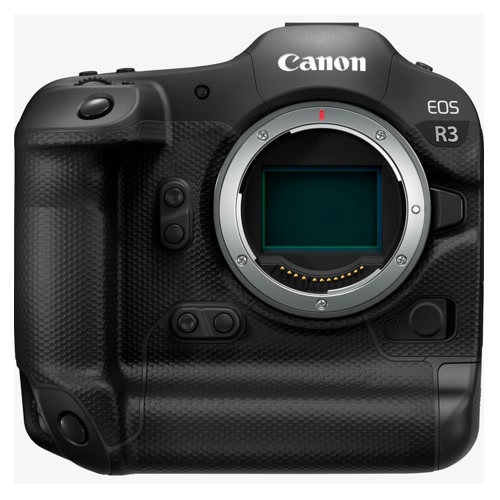
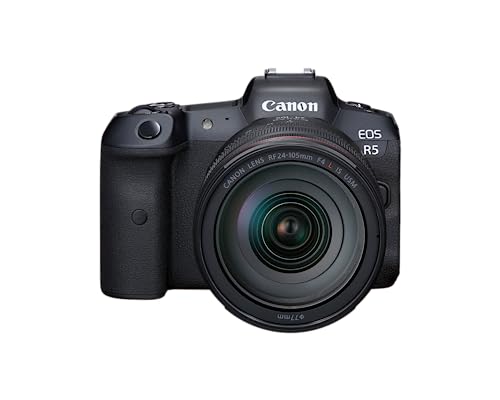
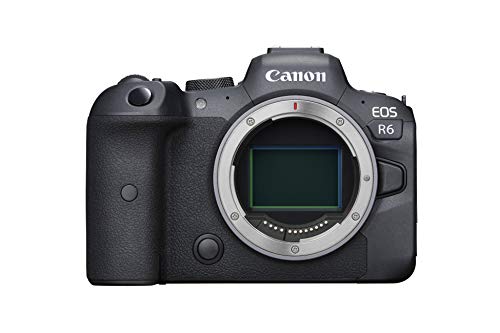
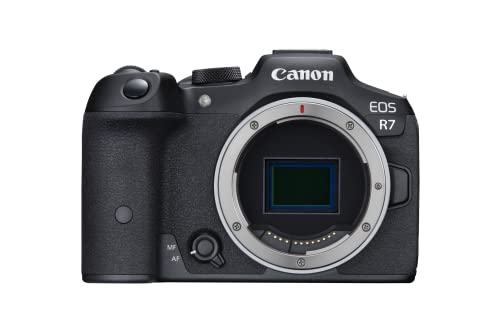
Canon is also easy to grow with. A beginner can start with an R50 or R10 and RF-S kit zoom, an enthusiast can move to the R7, R8, or R6 family, and a working photographer can choose an R5, R3, or R1-class body without learning a completely different control philosophy. EF and EF-S lenses can be adapted to EOS R bodies, which is valuable for buyers who already own compatible DSLR glass and want to preserve that lens investment.
There are real limitations. Entry bodies may omit in-body image stabilization, weather sealing, a second card slot, or a large battery, and demanding 4K modes can introduce crops, heat limits, larger files, or reduced recording endurance depending on the model. Canon's closed autofocus communication for many third-party RF lenses also means buyers should check the native lens choices and total system price before committing.
What are the main advantages of Canon digital cameras?
The main advantages of Canon digital cameras are as follows:
- Dual Pixel autofocus: Canon's on-sensor phase-detection system provides smooth, decisive focusing for both photos and video, while newer EOS R bodies recognize eyes and subjects such as animals or vehicles. Tracking sophistication and available subject modes still vary by body, but the system is especially dependable for portraits, events, vlogging, and moving subjects.
- Clear handling and menus: Canon grips, dials, touch interfaces, and menu organization are generally approachable for first-time interchangeable-lens users. Higher-tier EOS bodies add direct controls, AF joysticks, top displays, and extensive customization without forcing beginners to abandon familiar menu logic when they upgrade.
- RF and adapted EF lens choice: RF and RF-S lenses range from small consumer zooms and compact primes to bright L-series zooms, super-telephotos, and cinema-oriented optics. An EF-EOS R adapter lets most EF and EF-S lenses work on EOS R bodies with electronic aperture control, autofocus, and lens stabilization, making the used DSLR-lens market a genuine system advantage.
- Strong hybrid features: Many EOS R bodies provide oversampled 4K, a fully articulating touchscreen, microphone input, and effective video autofocus. More advanced models add 4K at higher frame rates, Canon Log, internal 10-bit recording, or 8K-class capture, although the exact crop, heat behavior, and codec options must be checked model by model.
- Broad body range: Canon offers compact APS-C models, affordable full-frame bodies, high-resolution hybrids, speed-focused professional cameras, and fixed-lens PowerShots. That breadth makes it possible to prioritize portability, telephoto reach, low-light quality, burst speed, or video without leaving the brand.
What are the main disadvantages of Canon digital cameras?
The main disadvantages of Canon digital cameras are as follows:
- Uneven stabilization: In-body image stabilization is available on models such as the R7, R6 family, and R5 family, but it is absent from several cheaper bodies including the R50, R10, R8, and R100. With those cameras, handheld stabilization depends on an IS lens or electronic video stabilization, which can crop the frame.
- Native RF lens gaps and prices: Canon's RF range is strong at the premium end and increasingly practical at the consumer end, but some APS-C, specialist prime, and third-party autofocus choices remain thinner than in longer-established mirrorless systems. Adapted EF lenses solve many gaps, although they make a compact body larger and may not deliver the same balance as a native RF design.
- Features vary sharply by tier: A low-cost EOS R body may have one card slot, modest weather protection, a smaller battery, a cropped or limited high-frame-rate video mode, and fewer physical controls. Buyers should not assume that the autofocus, stabilization, connection ports, buffer, or video endurance of an R5- or R6-class model applies to an R50 or R100.
- Electronic-shutter trade-offs: Fast silent bursts look attractive on a specification sheet, but conventional sensors can show rolling-shutter distortion under rapid movement or flickering artificial light. Mechanical or first-curtain rates, buffer depth, and readout behavior matter more than the maximum headline burst number for sport and events.
- Older systems have limited future growth: Canon EF DSLRs and EOS M cameras still produce excellent images and have abundant used lenses, but Canon's development focus is now RF. They can be sensible bargains, yet buyers should treat them as mature systems rather than assume a long stream of new bodies and lenses.
Who makes Canon digital cameras?
Canon digital cameras are made by Canon Inc., a Japanese imaging and technology company headquartered in Tokyo. The business traces its roots to the Precision Optical Instruments Laboratory, founded in 1933, and adopted the Canon name after its early Kwanon prototype and Canon-branded lenses. Canon Inc. remains the legal manufacturer and system owner behind EOS interchangeable-lens cameras, PowerShot compacts, RF and EF lenses, and the Cinema EOS range.
Canon is not merely a badge applied to cameras built by an unrelated supplier. The company develops key parts of the imaging chain itself, including CMOS sensors for many of its cameras, DIGIC image processors, autofocus technology, lens designs, color processing, firmware, and the RF lens-mount specification. Production and component sourcing are spread across Canon facilities and manufacturing partners in Japan and other Asian locations, but product design, system integration, and quality standards remain under Canon's control.
That history explains the continuity between Canon generations. The EF mount launched with the EOS autofocus SLR system in 1987, digital EOS DSLRs later built an enormous professional and consumer user base, and the RF mount introduced in 2018 became the foundation of Canon's current mirrorless strategy. Modern EOS R bodies therefore combine a new short-flange mirrorless platform with unusually practical access to decades of EF and EF-S lenses through Canon's adapters.
What are the main Canon digital camera models?
The main Canon camera models and families are as follows:
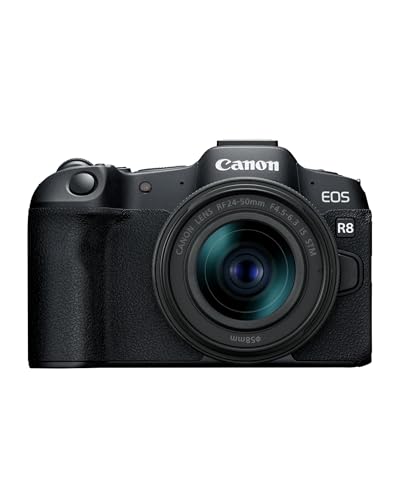
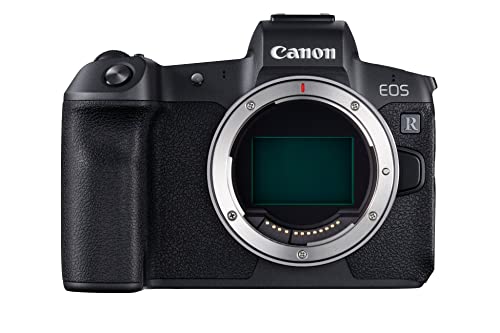
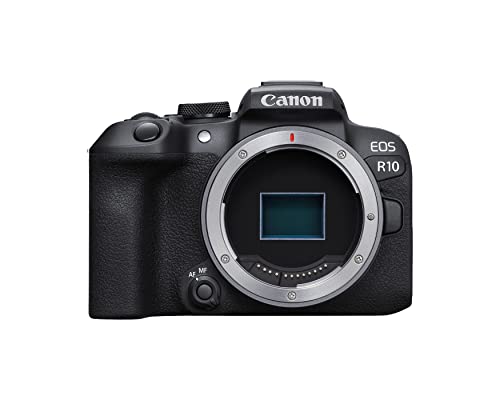
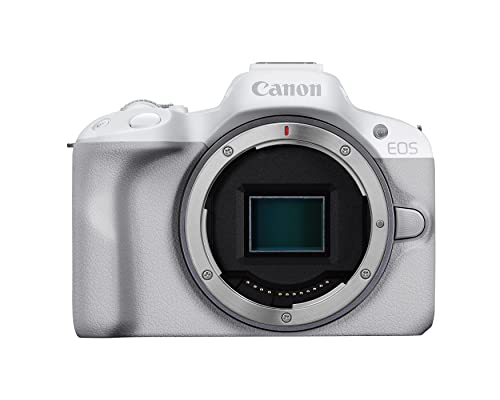
- EOS R mirrorless system: This is Canon's current interchangeable-lens platform, using the RF mount and covering both APS-C and full-frame sensors. The R50, R10, and R7 address beginner, enthusiast, and reach-focused APS-C use; the R8 and R6 families cover compact or higher-performance full frame; and the R5, R3, and R1 tiers target high-resolution hybrid, professional action, and flagship work.
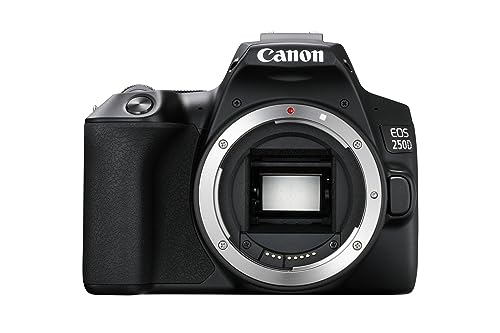
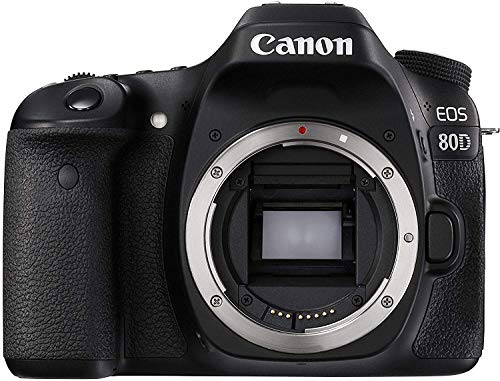
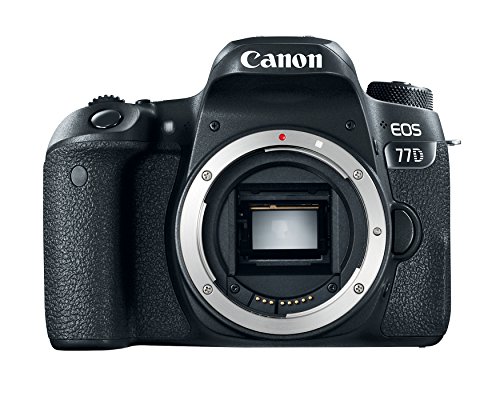
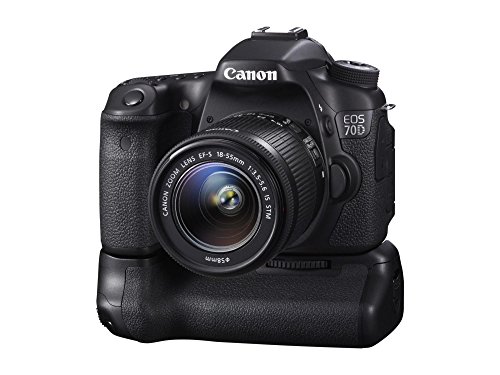
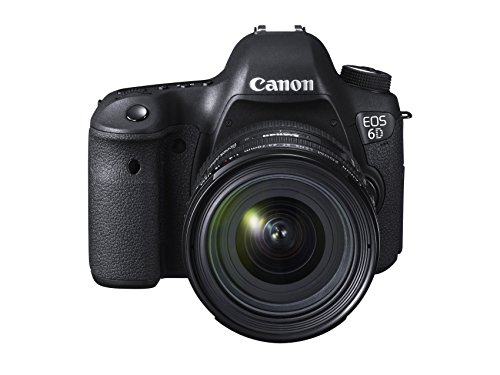
- EOS DSLR system: Canon's EF- and EF-S-mount DSLRs include the entry-level Rebel/three- and four-digit families, enthusiast models such as the 80D and 90D, full-frame 6D and 5D lines, and the professional 1D X series. They offer optical viewfinders, mature controls, and a vast used-lens market, but they are now legacy purchases because Canon's new-system development is centered on RF mirrorless bodies.
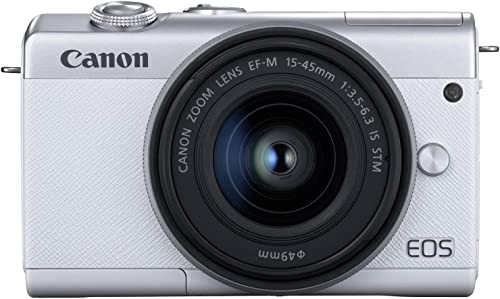
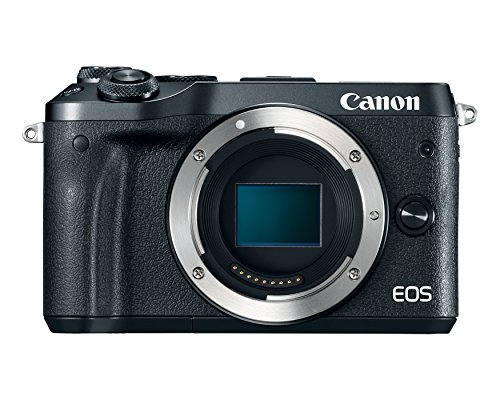
- EOS M mirrorless system: Compact APS-C models such as the M50 Mark II, M6 Mark II, and M200 use the smaller EF-M mount rather than RF. Their size and used prices can still be attractive, but EF-M and RF lenses are not cross-compatible, and the line should be bought as a self-contained mature system rather than an upgrade route into EOS R.
- PowerShot and IXUS/ELPH compacts: The G series, including models such as the G7 X Mark III and G5 X Mark II, emphasizes brighter lenses, larger sensors, and creator-friendly controls in a fixed-lens body. SX models such as the SX70 HS and SX740 HS prioritize long optical zoom, while IXUS/ELPH and older A-series cameras are simpler pocket models whose appeal now depends heavily on used condition and price.
- Cinema EOS hybrids: Cameras such as the EOS R5 C and C70 bridge stills-oriented EOS handling with professional video features, active cooling or cinema-style connections and codecs. They make sense for serious production work, but their power, media, rigging, and lens requirements are much higher than those of an ordinary travel or family camera.
How much do Canon digital cameras cost?
New Canon digital cameras generally cost about £300-£6,500 for the body or basic kit, with most current EOS R buyers spending roughly £600-£3,000. The price rises with sensor format, burst performance, in-body stabilization, viewfinder quality, card configuration, video modes, weather protection, and whether a lens is included.
At the entry level, the EOS R100 body or kit generally occupies the £300-£600 tier, while an R50 kit is commonly around £600-£800. The R10 is typically around £800-£1,100, and the APS-C R7 or compact full-frame R8 generally sits near £1,000-£1,500, depending on the package. These bodies can share similar headline resolution or autofocus features while differing substantially in stabilization, batteries, controls, sealing, and recording limits.
Enthusiast and professional bodies cost more. An R6-family body commonly falls around £1,700-£2,600, an R5-class high-resolution hybrid around £3,000-£4,300, and a speed-focused R3 or R1 around £3,900-£6,500. Cinema-oriented cameras such as the R5 C or C70 also require high-speed media, additional power, audio equipment, storage, and often a rig, so the usable production package costs much more than the body.
Allow separately for lenses. Compact RF primes and consumer zooms may cost a few hundred euros, bright L-series zooms often cost around £1,300-£3,000, and specialist super-telephotos can exceed £8,600. An EF-EOS R adapter can preserve compatibility with existing EF or EF-S lenses, but buyers building a new system should compare the size, balance, price, and long-term convenience of native RF or RF-S alternatives.
How do Canon digital cameras compare with Nikon models?
Canon and Nikon are both excellent full-frame and APS-C systems, but Canon is usually the more immediately approachable choice for hybrid shooting, while Nikon often appeals more to photographers who prioritize stills-oriented handling and the depth of selected Z-mount lenses. The difference is not basic image quality: comparable sensors from either brand can produce professional files, so autofocus behavior, lens availability, controls, and the exact body tier matter more.
Canon's main strengths are Dual Pixel autofocus, intuitive touch operation, fully articulating screens across many models, and continuity with the enormous EF lens catalogue through an adapter. EOS R bodies are particularly attractive for portraits, events, vlogging, and users moving from Canon DSLRs. Nikon Z bodies often provide excellent grips and viewfinders, strong RAW dynamic range, and a compelling lens range that includes high-quality S-Line zooms and primes; Nikon has also been more open to certain third-party Z autofocus lenses in some focal lengths.
At equivalent prices, compare model pairs rather than logos. Canon R50/R10 buyers should look at Nikon Z50-class options, Canon R7 buyers at Nikon's higher-performance APS-C choices, and Canon R8/R6-family buyers at Nikon Z5/Z6-family bodies. Check whether each comparison includes in-body stabilization, one or two card slots, a joystick, the same video frame rates without a crop, and equivalent subject-detection modes—these differences can reverse the verdict even when two bodies share a sensor format.
Choose Canon if its autofocus interface, articulated-screen design, adapted EF compatibility, or specific RF lens best fits the work. Choose Nikon if you prefer its ergonomics, need a particular Z lens, or find a better body-and-lens package at the same total price. Existing lenses should carry the most weight: switching systems to gain a small body advantage rarely makes financial sense if it requires replacing several good lenses.
What should you consider while choosing the best Canon digital camera?
Consider the following points while choosing a Canon camera:
- Choose the mount before the body: RF is Canon's current system and is the safest choice for future upgrades. EF and EF-S lenses adapt well to EOS R, but EF-M lenses do not; an EOS M body therefore cannot become an RF lens collection later.
- Match APS-C or full frame to the job: Canon APS-C bodies apply about a 1.6× field-of-view crop, which helps wildlife and sport place more pixels on a distant subject but makes genuinely wide angles harder. Full frame is preferable for shallow depth of field and high-ISO work, although bodies and equivalent lenses usually cost and weigh more.
- Check stabilization rather than assuming it: Models such as the R7, R6 family, and R5 family include in-body image stabilization, while the R50, R10, R8, and R100 rely mainly on stabilized lenses or cropped electronic video stabilization. For handheld low-light work or unstabilized primes, this difference is more important than a small megapixel advantage.
- Compare the correct burst mode: Read the mechanical, electronic-first-curtain, and electronic-shutter rates separately, then check RAW buffer depth and sensor readout. A very fast electronic burst can produce rolling-shutter distortion, banding, or reduced bit depth, so action photographers should verify performance under the lighting and motion they actually shoot.
- Inspect the video mode details: Confirm whether 4K is oversampled or cropped, which frame rates support Dual Pixel AF, whether Canon Log or 10-bit recording is available, and how long the camera can record before heat or battery limits intervene. Also check for microphone and headphone sockets, because many entry bodies provide only the former.
- Budget for RF, RF-S, or adapted EF lenses: Start with the focal lengths and apertures the job needs, then price the whole kit rather than choosing the body first. An inexpensive body paired with a slow kit zoom will not replace a bright portrait prime, a stabilized travel zoom, or a fast-focusing wildlife telephoto.
- Check professional safeguards: Paid event, sport, and travel work can justify dual card slots, stronger weather sealing, a larger battery, an AF joystick, and a deeper grip. These features are absent or reduced on compact entry models even when headline autofocus and video specifications look similar.
- Check system status and long-term support: RF is Canon's actively developed mount, while EF DSLRs and EOS M are mature, discontinued-system paths with fewer prospects for new bodies or native lenses. Before committing, confirm current firmware, authorized service availability, battery and charger compatibility, adapter requirements, and whether the lenses can follow the intended upgrade path.