
Are Canon EOS cameras good?
Canon EOS cameras have an average overall score of [shortcode-11586853458434116124150185015507017471461596776033], ranking #[shortcode-02946332797201408363073405781262149561622196717075] among comparable camera brands, and a user rating of [shortcode-03986939879805730738178952094888783165753026088065], placing them at #[shortcode-08873912699902639287165582473869846874261496986286] based on user reviews.
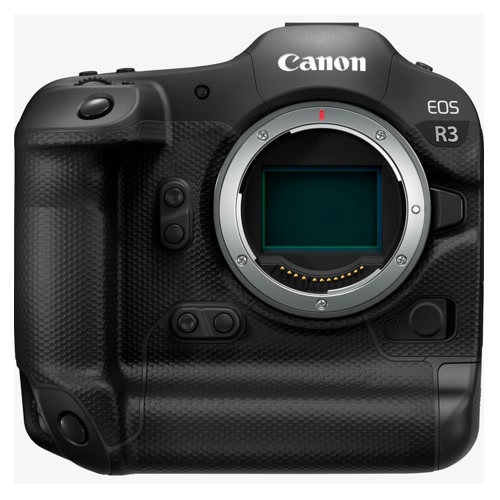
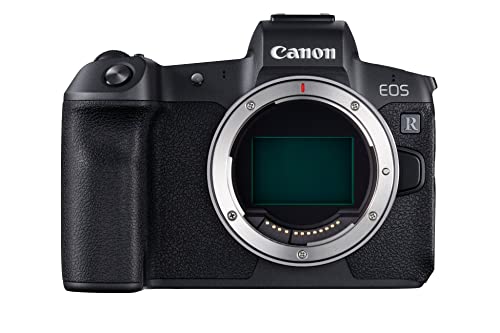
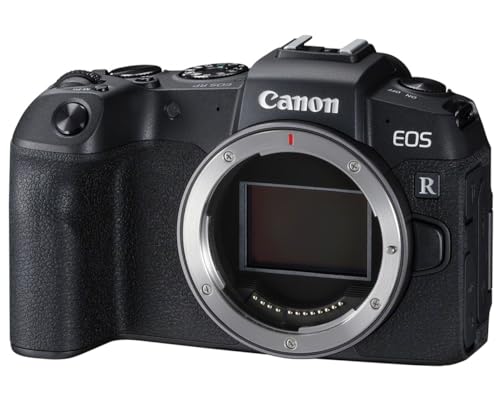
Yes, Canon EOS cameras are good because the system covers beginners, professional photographers, hybrid creators, and cinema users without abandoning a recognizable control and color philosophy. Current EOS R bodies combine Dual Pixel CMOS autofocus, eye and subject recognition, strong touch operation, and RF-mount lenses across APS-C and full-frame tiers. Models range from the small R50 and R10 to stabilized R7/R6/R5 bodies and speed-focused R3/R1 flagships.
The broader EOS history also adds practical depth. EF and EF-S DSLR lenses can usually be adapted to EOS R bodies with electronic aperture, autofocus, and optical stabilization retained, while mature DSLRs still provide optical viewfinders and long battery endurance. Cinema-oriented EOS models extend the system with active cooling, professional codecs, audio and connection options, and video-centered operation beyond an ordinary hybrid body.
The EOS name alone does not guarantee the same capability or upgrade path. Entry RF bodies may omit in-body stabilization, dual card slots, large batteries, or advanced video connections; EOS DSLRs are no longer Canon's active development platform; and EF-M lenses from EOS M cannot be fitted to EOS R cameras. Buyers should therefore choose the mount and generation first, then compare autofocus, stabilization, video modes, controls, and lenses inside that branch.
What are the main Canon EOS camera models?
The main Canon EOS series and models are as follows:
- EOS R1 and R3: These full-frame RF flagships prioritize sport, wildlife, news, and other work where sensor readout, subject tracking, burst reliability, large batteries, sealing, and professional controls matter most. Their premium is for speed and dependable operation rather than simply the highest resolution.
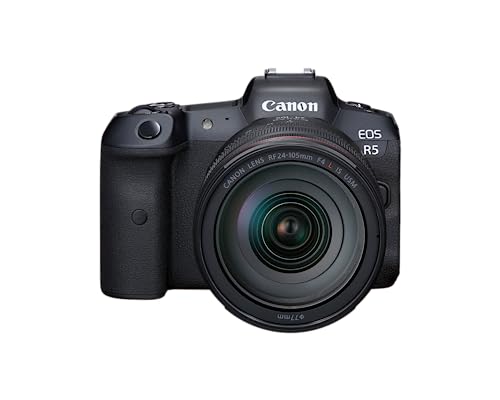
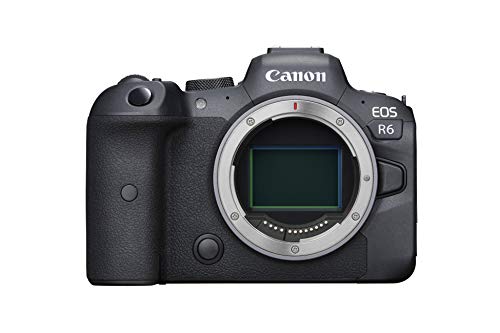
- EOS R5 and R6 families: The R5 tier combines high-resolution stills with advanced video, while the R6 tier favors balanced resolution, low-light performance, bursts, and hybrid usability at a lower price. Generation changes affect autofocus, sensor readout, heat management, codecs, and connection options, so an R5 C, R5, and R5 Mark II serve different workflows despite the shared number.
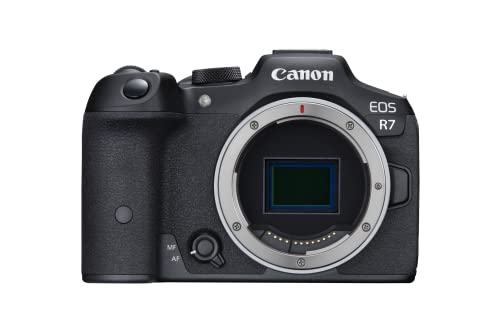
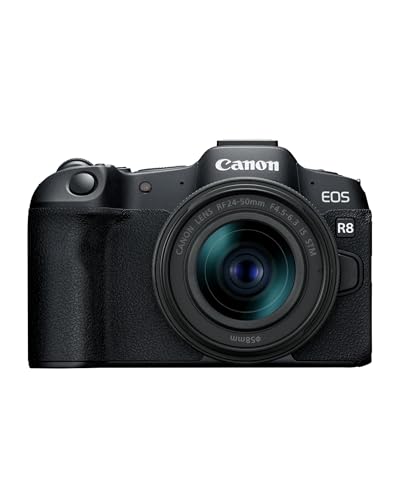
- EOS R7 and R8: The R7 is a stabilized APS-C camera with a 1.6× field-of-view crop, dual card slots, and wildlife-oriented controls. The R8 instead places a full-frame sensor in a lighter body without in-body stabilization, making it better suited to portable portraits, travel, and hybrid work than to long handheld telephoto sessions.
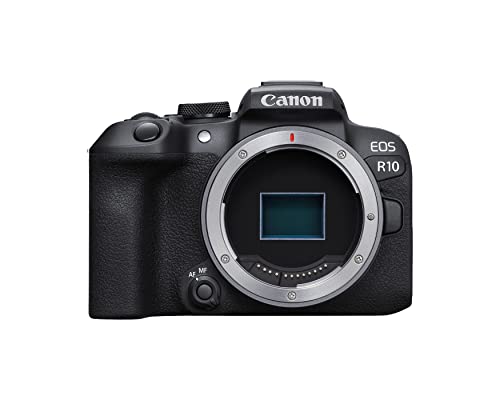
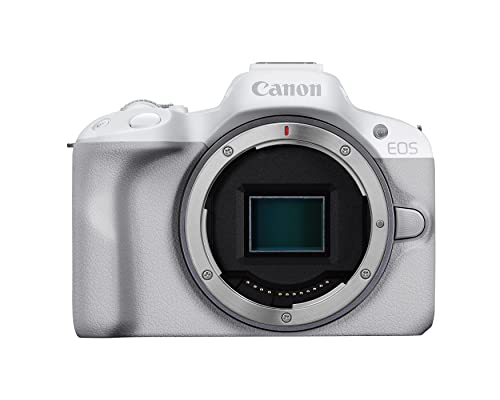
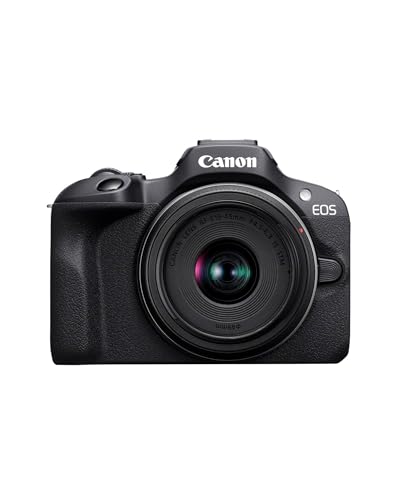
- EOS R10, R50, and R100: These APS-C RF bodies cover enthusiast-beginner through basic entry use. The R10 offers stronger direct controls and speed, the R50 emphasizes guided touch operation and creator features, and the R100 reduces cost through a simpler fixed-screen design; none includes in-body stabilization.
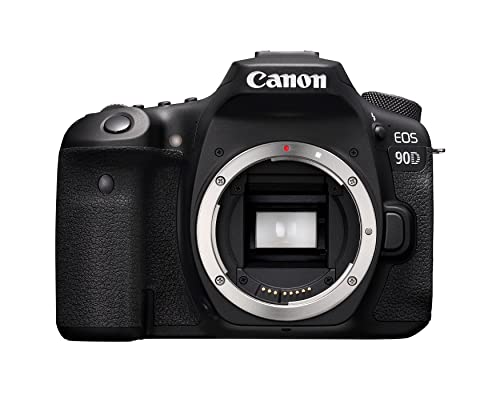
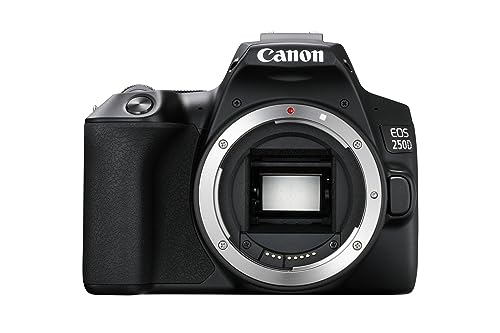
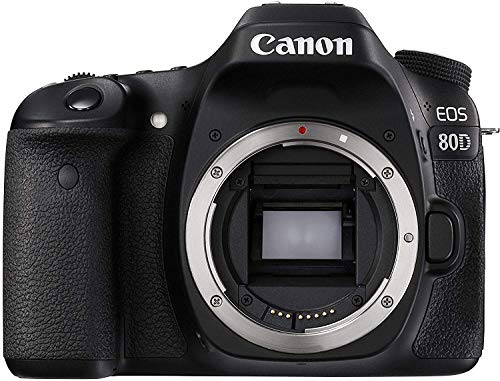
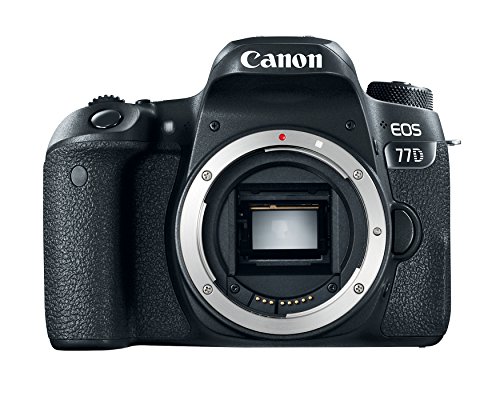
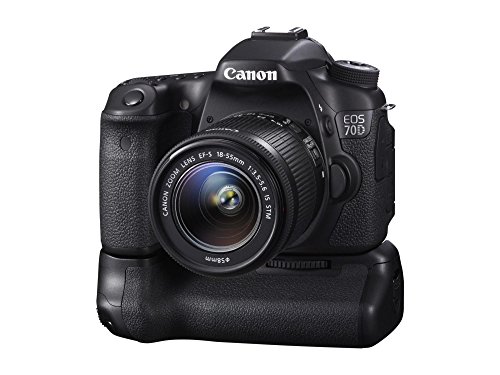
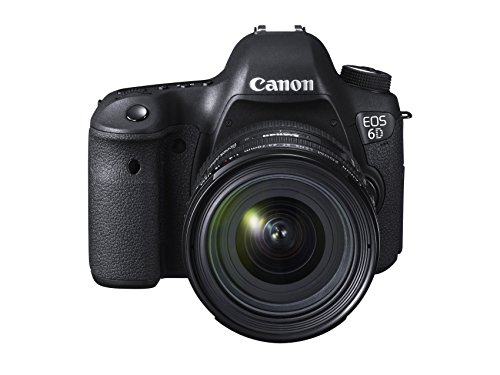
- EOS DSLR families: EF- and EF-S-mount lines include professional 1D X cameras, full-frame 5D/6D models, APS-C 7D/90D bodies, two-digit enthusiast cameras, and Rebel/xxxD entry models. They retain optical-viewfinder appeal and broad lens compatibility, but Canon's active body and lens development has moved to RF mirrorless.
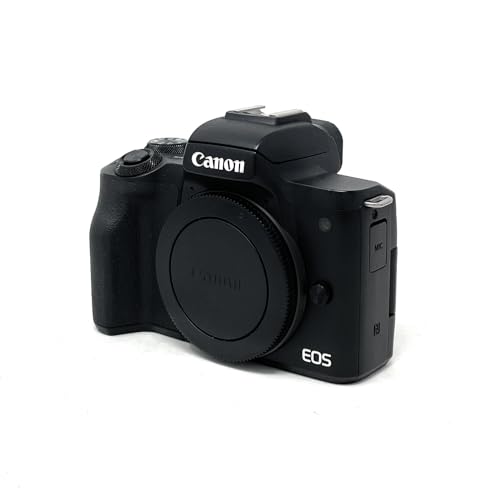
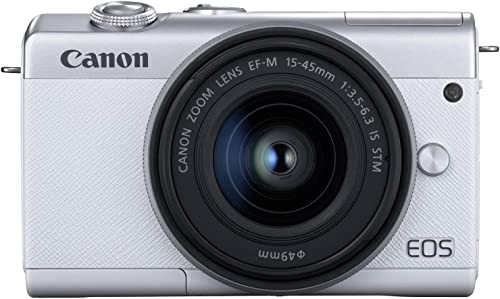
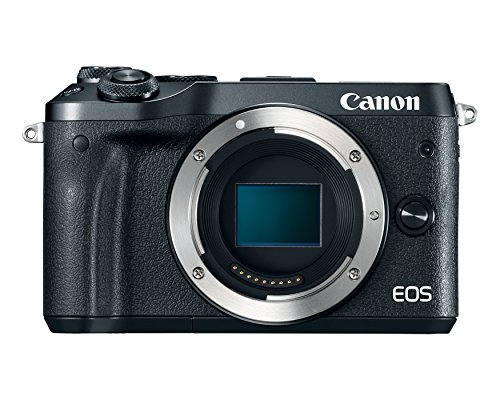
- EOS M family: Compact APS-C models such as the M50 Mark II, M6 Mark II, and M200 use EF-M rather than RF. Their small size can still suit a self-contained kit, but EF-M lenses cannot transfer to EOS R and the branch is a discontinued-system path, not the current Canon upgrade route.
- Cinema EOS and hybrid cinema models: The C70 uses an RF mount and cinema-style body, while the R5 C combines EOS R stills ergonomics with an actively cooled Cinema EOS operating mode. These cameras add professional recording formats, audio, timecode or connection options, and production-oriented thermal design, but require more power, media, storage, and rigging than a standard photo body.
How much do Canon EOS cameras cost?
Current new Canon EOS cameras generally cost about £300-£6,500 for a body or basic kit, with EOS R now forming the main retail range. The historical EOS catalogue includes inexpensive discontinued DSLRs and EOS M bodies, but those legacy prices do not describe the current new-product market and should not set expectations for a modern EOS purchase.
Entry EOS R pricing begins around £300-£600 for an R100 body or kit, while an R50 kit is commonly around £600-£800 and an R10 around £800-£1,100. The R7 and R8 occupy roughly the £1,000-£1,500 tier for different reasons: the R7 pays for APS-C reach, stabilization, dual cards, and stronger action controls, while the R8 pays for a full-frame sensor in a compact body without in-body stabilization.
An R6-family body generally falls around £1,700-£2,600, while an R5-class high-resolution hybrid commonly costs around £3,000-£4,300. Professional R3 and R1 bodies extend from roughly £3,900 to £6,500, and Cinema EOS options such as the C70 or R5 C add production-oriented features around the upper midrange and professional tiers.
The camera is only part of the EOS budget. Consumer RF/RF-S lenses and compact primes may cost a few hundred euros, bright L-series zooms commonly reach £1,300-£3,000, and specialist super-telephotos can exceed £8,600. Video users may also need high-speed cards, external power, audio equipment, storage, cooling-aware rigging, and a monitor, so compare complete working kits rather than body prices alone.
How do Canon EOS cameras compare with Sony Alpha models?
Current Canon EOS R cameras are generally easier to approach and especially strong for touch-led hybrid autofocus, while Sony Alpha offers a broader native mirrorless lens ecosystem and more body generations across specialized niches. Comparable cameras from both brands can produce professional image quality; the practical decision is usually lens availability, handling, autofocus behavior, sensor readout, video modes, and total kit cost.
Canon's strengths include Dual Pixel autofocus, fully articulating screens across many bodies, clear menus, strong subject recognition, and a consistent progression from beginner APS-C models to full-frame professional bodies. Existing EF and EF-S lenses can be adapted electronically to EOS R. Sony's E-mount system has more native first- and third-party autofocus lenses, more compact full-frame combinations, and a long mirrorless development history that has produced strong autofocus and video options across many price tiers.
Compare equivalent families rather than the full historical EOS name against Alpha. Canon R50/R10 models belong against Sony APS-C Alpha bodies; the Canon R8 competes with compact Sony full-frame cameras but lacks in-body stabilization; R6-class bodies compete with stabilized all-round Alpha models; and R5/R3/R1 bodies should be matched with Sony's high-resolution or speed-focused tiers by sensor readout, burst buffer, card type, rolling shutter, video heat behavior, and professional connections.
Canon is the better choice when its articulated-screen design, interface, adapted EF compatibility, or a particular RF lens fits the work. Sony is stronger when the buyer needs a specific third-party E-mount lens, a smaller full-frame kit, or more native choices at one focal length and budget. Legacy EOS DSLR or EOS M bodies should not be used to judge the current comparison, because Sony Alpha and Canon EOS R now compete primarily as mirrorless systems.
What should you consider while choosing the best Canon EOS camera?
Consider the following points while choosing a Canon EOS camera:
- Choose the EOS branch before the body: RF/RF-S is Canon's actively developed mirrorless system, EF/EF-S belongs to the mature DSLR platform, and EF-M belongs to discontinued EOS M. These mounts are not interchangeable in both directions, so the lens path and future upgrade plan must be decided before comparing headline body scores.
- Match APS-C or full frame to the subject: Canon APS-C bodies apply about a 1.6× field-of-view crop, helping wildlife and sport fill the frame with smaller telephotos but making equivalent wide angles and shallow depth of field harder. Full frame improves high-ISO and depth-of-field flexibility, although equivalent lenses normally cost and weigh more.
- Check stabilization model by model: R7-, R6-, R5-, R3-, and R1-class bodies include in-body stabilization, while the R100, R50, R10, and R8 rely mainly on stabilized lenses or cropped electronic video stabilization. Canon DSLRs also rely on lens IS rather than sensor-shift stabilization.
- Separate autofocus generations and shooting modes: Current EOS R cameras focus on the imaging sensor and offer broad subject recognition, while a DSLR uses a dedicated viewfinder AF module and a separate live-view system. Verify subject types, eye detection, tracking coverage, low-light sensitivity, and whether performance changes with burst rate, electronic shutter, crop mode, or video.
- Compare real burst behavior: Read mechanical, electronic-first-curtain, and electronic-shutter rates separately, then check RAW buffer depth, sensor readout, card speed, and rolling-shutter risk. A high electronic figure can be unsuitable under rapid motion or flickering light even when it looks superior on paper.
- Inspect the exact video mode: Confirm oversampling or crop, frame rates, Canon Log and 10-bit availability, autofocus support, heat limits, recording duration, microphone and headphone ports, HDMI type, and power requirements. Cinema EOS models add production tools, but they also need faster media, more storage, and a more complex rig.
- Build the lens kit first: Price the RF or RF-S lenses required for the job, including focal length, aperture, stabilization, focus motor, minimum focus distance, and teleconverter compatibility. EF and EF-S lenses can adapt to RF bodies, but the adapter adds length, and EF-S lenses force an APS-C crop on full-frame EOS R cameras.
- Check professional safeguards and handling: Dual card slots, sealing, battery size, joystick, top display, grip depth, media type, wired networking, and flash or audio connections vary sharply across EOS tiers. These workflow features often matter more than a small megapixel difference during paid events, sport, travel, or production work.
- Confirm current support and accessories: Check firmware, authorized service, battery and charger type, USB power, flash compatibility, remote connections, cages, adapters, and replacement availability. Similar EOS names do not guarantee shared batteries or accessories, and an EOS M or DSLR purchase should be evaluated with its mature-system status clearly understood.