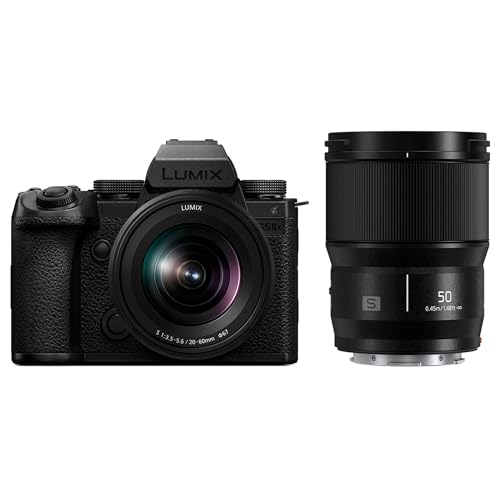

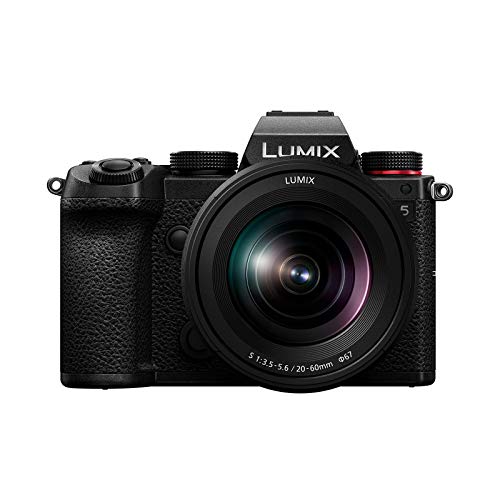
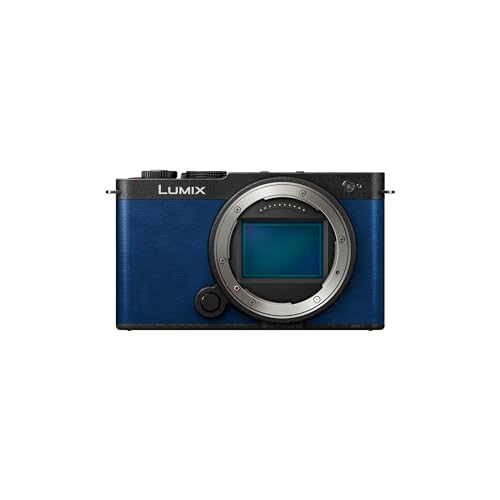
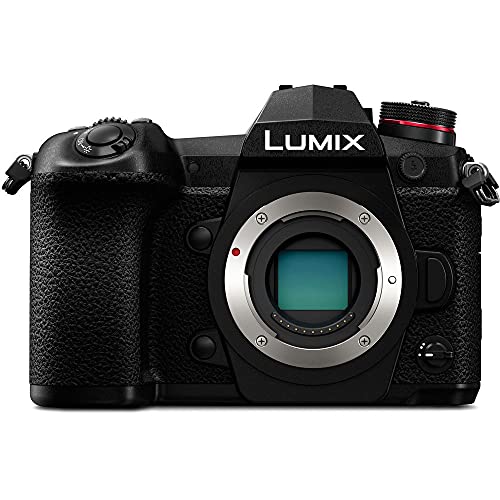
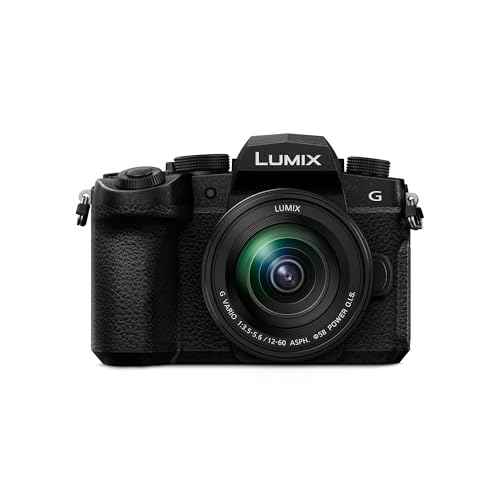
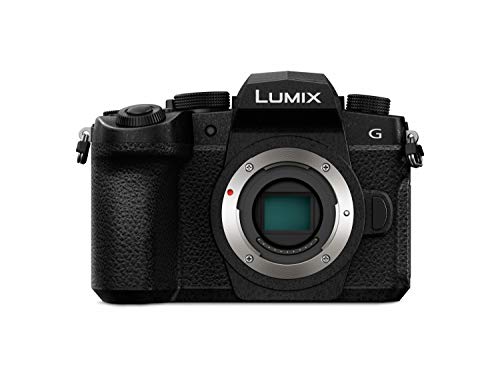
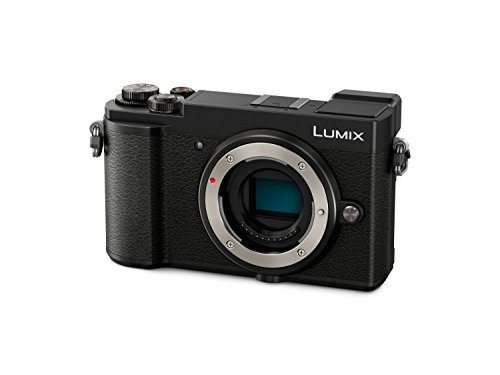
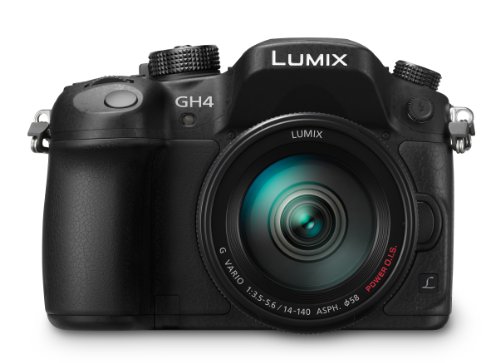
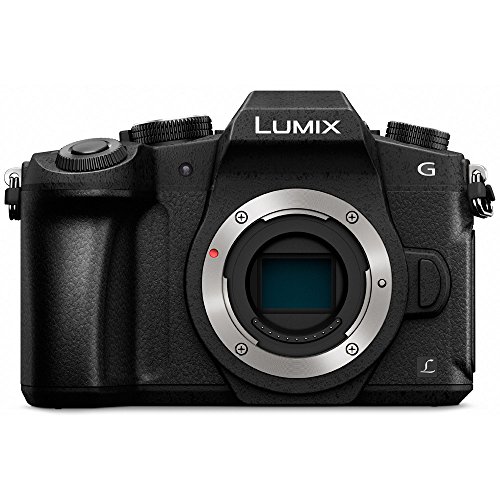
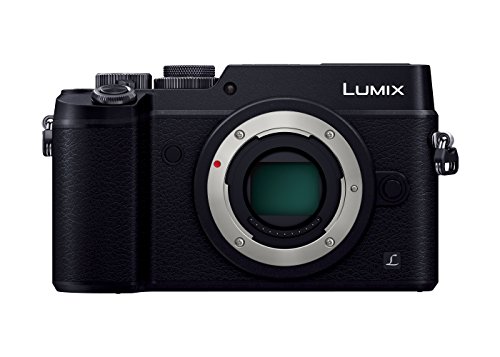
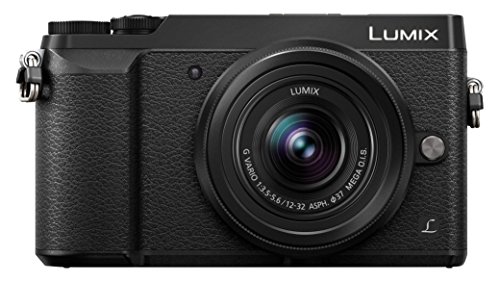
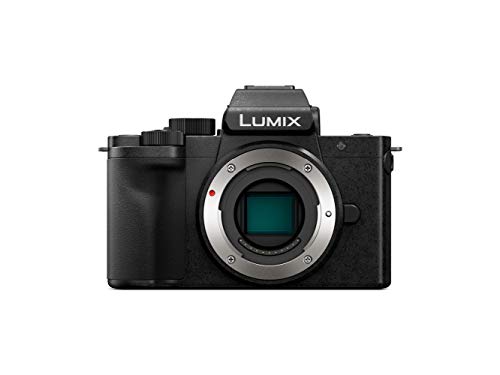
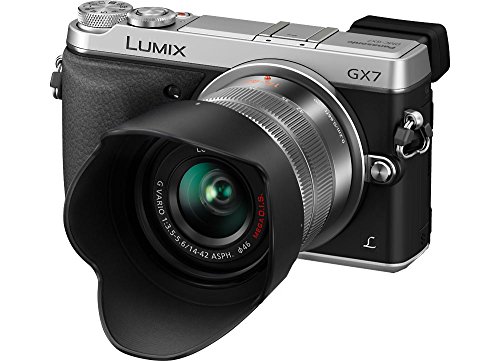
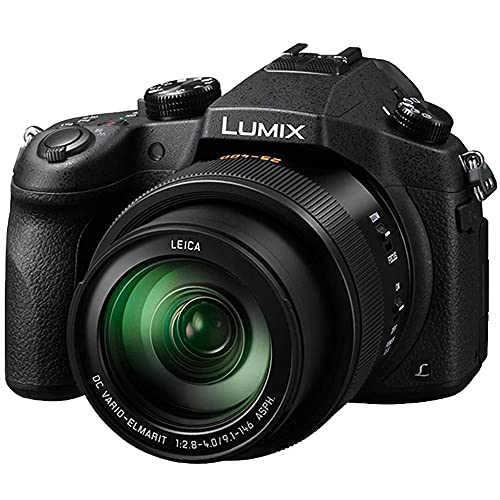
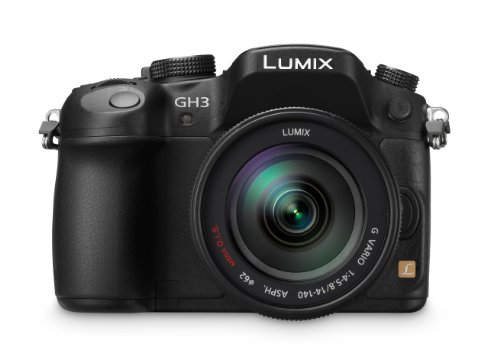
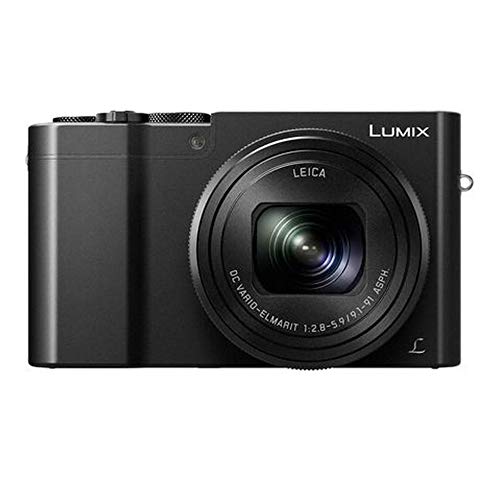
Are Panasonic Lumix cameras good?
Panasonic Lumix cameras have an average overall score of [shortcode-08213096234815175439042089594119314017393490309176], ranking #[shortcode-10082560624183453058170673538737851263781960555674] among comparable camera brands, and a user rating of [shortcode-09133170405968941647071274573523047568320059691655], placing them at #[shortcode-12062567755013840396175892206723670294693212400228] based on user reviews.
Yes. Panasonic Lumix cameras are especially good for hybrid shooters who want strong stabilization, practical controls, and serious video features without moving immediately to a dedicated cinema camera.
The range covers two very different interchangeable-lens systems. Micro Four Thirds models such as the G9 and GH families trade some high-ISO performance and shallow-depth-of-field potential for smaller lenses, long effective telephoto reach, and mature lens choice. Full-frame S models use the Leica L mount and are better suited to low-light work, portraits, commercial photography, and productions that benefit from full-frame rendering.
The largest caveat is autofocus generation. Older DFD contrast-detection bodies can show visible pulsing or hesitate when tracking a face toward the camera, particularly in continuous video AF. Panasonic introduced phase-detection autofocus with the S5 II generation and expanded it to newer bodies such as the G9 II and later S models, substantially improving tracking reliability. For manual-focus video, stabilized handheld work, open-gate recording, or internal 10-bit workflows, Lumix remains one of the most capable mainstream systems.
What are the main advantages of Panasonic Lumix cameras?
The main advantages of Panasonic Lumix cameras are as follows:
- Video tools: Many Lumix hybrids provide internal 10-bit recording, V-Log options, waveform monitoring, anamorphic support, and open-gate modes that use most or all of the sensor. Higher-end GH and S bodies may also support ProRes, high-data-rate All-Intra codecs, external SSD recording, or active cooling, depending on the exact model.
- Stabilization: Panasonic has long paired effective sensor-shift IBIS with compatible optically stabilized lenses through Dual I.S. This is valuable for handheld video, static low-light photographs, and longer Micro Four Thirds telephoto lenses, although stabilization performance and supported modes differ by body and lens.
- Two distinct system choices: Micro Four Thirds offers a 2× crop factor, broad lens availability, and relatively compact telephoto kits, while the full-frame S line offers stronger high-ISO performance and more control over depth of field. Buyers can therefore choose the sensor format around the job rather than accepting one format across the whole brand.
- Lens ecosystems: Micro Four Thirds users can choose from Panasonic, Leica-branded Panasonic, OM System/Olympus, Sigma, and other compatible lenses. Full-frame S cameras participate in the L-Mount Alliance, giving access to Panasonic, Leica, Sigma, and additional alliance lenses without relying solely on adapters.
- Handling and production design: Lumix bodies typically emphasize direct controls, articulated displays, microphone and headphone support on video-oriented models, and clear exposure aids. Fan-cooled bodies and generous recording options can be more dependable for long-form work than compact cameras whose headline video mode has a short thermal limit.
What are the main disadvantages of Panasonic Lumix cameras?
The main disadvantages of Panasonic Lumix cameras are as follows:
- Autofocus depends heavily on generation: Older Lumix bodies use contrast-detection DFD autofocus, which can be quick for single photographs but may pulse in continuous video and track erratic subjects less securely. Phase detection arrived much later than on Sony and Canon systems, so the S5 II, S5 IIX, G9 II, and newer generations should not be judged by the behavior of a GH5, G9, or original S5.
- Micro Four Thirds has physical sensor limits: A Four Thirds sensor generally shows more noise at the same output size and offers less background separation than full frame when lenses are framed and exposed equivalently. The format remains excellent for reach and portability, but buyers prioritizing very high ISO, maximum dynamic-range latitude, or extremely shallow depth of field may prefer a Lumix S body.
- Some bodies are large for their sensor format: Performance-focused models such as the G9 and GH families use substantial grips, cooling, large batteries, and robust controls. Their lenses can still be compact, especially at telephoto focal lengths, but the body itself may not deliver the pocketable experience a buyer expects from Micro Four Thirds.
- Advanced video modes increase storage and rigging demands: ProRes, All-Intra, high-frame-rate, and open-gate recording can require fast UHS-II SD cards, CFexpress Type B cards, or an external SSD, depending on the model. File sizes rise quickly, and features such as RAW output, timecode, or full-size HDMI are not identical across the range.
- The lineup spans several eras: Current phase-detect hybrids sit beside older G, GX, GH, FZ, TZ/ZS, and LX designs with different batteries, menus, ports, recording limits, and autofocus behavior. A low price on an older model does not mean it provides the same subject recognition, USB-C features, or video reliability as a newer Lumix.
Who makes Panasonic Lumix cameras?
Panasonic Lumix cameras are made by Panasonic, the Japanese electronics group headquartered in Kadoma, Osaka Prefecture. Under the current corporate structure, Panasonic Holdings Corporation is the parent company, while camera and audiovisual products sit within the Panasonic operating-company organization. Lumix is Panasonic's dedicated digital-camera brand rather than a separate camera manufacturer.
The Lumix name appeared in 2001, initially on digital compact cameras, with Panasonic combining its electronics and video-processing experience with Leica-branded lens collaborations. A major turning point came in 2008 when the Lumix DMC-G1 became the first commercially available Micro Four Thirds mirrorless interchangeable-lens camera. That system, developed around the Micro Four Thirds standard introduced by Panasonic and Olympus, became the basis for the G, GX, G9, and GH families.
Panasonic expanded into full-frame mirrorless cameras with the Lumix S series and joined Leica and Sigma in announcing the L-Mount Alliance in 2018. Modern Lumix development therefore spans Micro Four Thirds photography and video bodies, full-frame L-mount hybrids, box-style production cameras, and fixed-lens FZ, TZ/ZS, and LX models. The Leica relationship is visible in selected co-branded lenses and compact-camera optics, but Panasonic designs and markets the Lumix camera system.
What are the main Panasonic Lumix camera models?
The main Panasonic Lumix camera models and families are as follows:
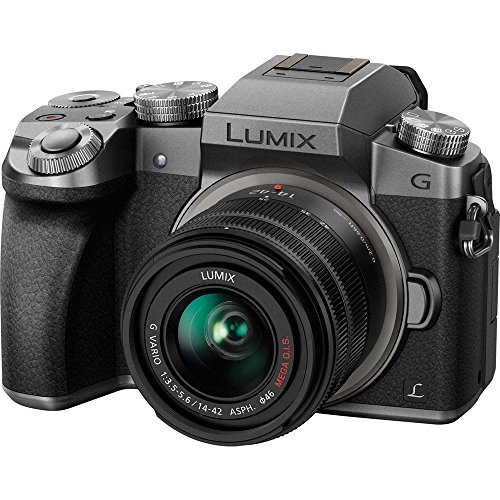
- Lumix G and G100/G90-class models: The general-purpose Micro Four Thirds G family covers accessible hybrid bodies such as the G100 and more traditional enthusiast designs such as the G95/G97. These cameras suit travel, family photography, and lighter video work, but older models rely on DFD autofocus and may omit the cooling, high-bitrate codecs, or phase-detect tracking found higher in the range.
- Lumix G9 family: The original G9 established the stills-oriented, weather-sealed Micro Four Thirds flagship, while the G9 II adds phase-detection autofocus, faster subject tracking, and much stronger video capability. It is a good fit for wildlife, sports, and hybrid shooters who value the 2× crop factor, although the body is closer in size to a substantial full-frame camera than to a compact travel model.
- Lumix GH family: GH5, GH5 II, GH6, and GH7-generation cameras prioritize video with articulated screens, extensive 10-bit modes, exposure tools, anamorphic support, and robust heat management. Newer models add higher-resolution recording, ProRes or SSD workflows, and phase-detect autofocus, while older GH bodies remain more dependent on DFD or manual focus.
- Lumix S family: S5 II and S5 IIX are compact full-frame L-mount hybrids, with the X version emphasizing ProRes, external SSD, and production workflows; S9 targets a smaller content-focused body. S1, S1H, S1R, S1 II/S1 IIE, and S1R II models move toward larger professional bodies, higher resolution, stronger cooling, or faster readout, so the letter and generation indicate very different priorities.
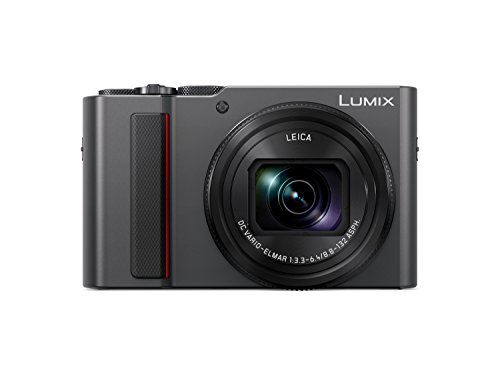
- Lumix FZ, TZ/ZS, and LX fixed-lens families: FZ bridge cameras combine a built-in long zoom with SLR-style handling, while TZ/ZS models prioritize pocketable travel zoom range. LX models use a shorter, brighter premium-compact lens and a larger sensor than basic travel zooms, making them better for available-light photography but less flexible when distant subjects require extreme reach.
How much do Panasonic Lumix cameras cost?
New Panasonic Lumix cameras generally cost about £470-£3,100 for the body or fixed-lens camera, with the final budget depending strongly on sensor format and video specification.
Fixed-lens travel and bridge models usually occupy the lower end: a current TZ/ZS travel zoom may cost roughly £470-£600, while a one-inch-sensor FZ bridge camera is commonly around £650-£770. Entry and general-purpose Micro Four Thirds bodies tend to start near £560-£770, although the included kit lens can move the package price higher.
Performance Micro Four Thirds models cost more. A G9 II-class body is typically around £1,300-£1,600, while a current GH video flagship can reach approximately £1,800-£2,000 before lenses, cards, or audio equipment. In the full-frame S range, compact and midrange bodies commonly span about £1,300-£2,200, whereas high-resolution or professional S1-generation bodies can approach £3,000-£3,100.
Allow for the complete system. Micro Four Thirds primes and compact zooms may cost roughly £200-£600, with premium telephotos and fast Leica-branded zooms rising beyond £860. L-mount lenses are often larger and can run from about £430 for an accessible prime to £1,000-£2,200 for fast professional zooms; high-bitrate video may also require UHS-II media, CFexpress Type B, or an approved external SSD.
How do Panasonic Lumix cameras compare with Sony models?
Panasonic Lumix is usually the stronger choice for video-first hybrid work and handheld stabilization, while Sony is generally safer for class-leading continuous autofocus and the widest established full-frame mirrorless lens selection.
The comparison changes with sensor format. Lumix offers both Micro Four Thirds and full-frame L-mount systems: a G9 or GH body can provide a smaller long-lens kit, whereas the S series competes directly with Sony Alpha full-frame bodies. Sony uses the E mount for both APS-C and full frame, and its longer mirrorless history has produced a very broad catalogue from Sony, Sigma, Tamron, Samyang, and other manufacturers. L mount has strong Panasonic, Sigma, and Leica coverage, but the shape and price of the exact lenses still need checking.
Recent Lumix phase-detection bodies have closed much of the autofocus gap, especially compared with older DFD-only models, but Sony remains exceptionally consistent at eye detection and subject tracking across many current bodies. Panasonic counters with open-gate recording, waveform displays, anamorphic tools, internal 10-bit formats, active cooling on selected bodies, and strong IBIS. Sony video quality can be excellent, but recording crops, heat behavior, stabilization modes, and codec options vary just as much by model.
Choose Lumix when stabilized handheld shooting, long-form recording, flexible aspect-ratio extraction, or Micro Four Thirds telephoto reach is central to the job. Choose Sony when autofocus confidence, compact full-frame body choice, and access to the largest E-mount lens market matter more. For still-image quality, compare equivalent sensor generations and lenses: a full-frame Lumix S body is a much fairer rival to a Sony Alpha full-frame model than a smaller-sensor Lumix G camera.
What should you consider while choosing the best Panasonic Lumix camera?
Consider the following points while choosing a Panasonic Lumix camera:
- Sensor format and mount: Decide first between a fixed-lens Lumix, Micro Four Thirds, and full-frame L mount. Micro Four Thirds has a 2× crop factor and can reduce telephoto-lens size, while full frame gives stronger high-ISO potential and shallower depth of field; lenses cannot be shared directly between the two mounts.
- Autofocus generation: Check whether the body uses DFD contrast detection or Panasonic's newer phase-detection hybrid system. Phase detection is the better choice for people, animals, vehicles, and continuous video AF, while older DFD bodies are most comfortable with single AF, predictable motion, or manual-focus production.
- Stabilization combination: Confirm that the body includes IBIS and whether the intended stabilized lens supports Dual I.S. A stabilized lens can improve long-focal-length correction, but not every optical-stabilization function or electronic video mode works identically with every lens and frame rate.
- Video resolution and sensor area: Look beyond a 4K, 5.7K, or 6K label and verify bit depth, chroma sampling, maximum frame rate, crop, rolling shutter, and whether the camera offers open-gate recording. A 10-bit 4:2:2 mode provides more grading latitude than 8-bit footage, but it also raises storage and editing demands.
- Codecs, heat, and recording duration: Check whether the required mode uses Long GOP, All-Intra, ProRes, external RAW, or direct-to-SSD recording, and whether active cooling is fitted. Fan-cooled GH and S bodies are better suited to long takes, but the exact unlimited-recording claim can still depend on ambient temperature, power, card speed, and thermal settings.
- Cards and connections: Verify the slot type before buying media; Lumix bodies may use single or dual UHS-II SD slots, CFexpress Type B plus SD, or USB SSD recording. Also check for full-size versus micro HDMI, microphone and headphone sockets, USB power delivery, timecode support, and compatibility with Panasonic's XLR audio adapter.
- Lens availability: For Micro Four Thirds, compare Panasonic and Leica-branded Panasonic lenses with compatible OM System/Olympus and third-party options, while checking whether Dual I.S. requires a Panasonic lens. For full-frame S bodies, price the needed Panasonic, Sigma, or Leica L-mount lenses and confirm autofocus, teleconverter, and video-breathing behavior for the exact optic.
- Body style and handling: A G100 or fixed-lens TZ/ZS model prioritizes low weight, while a G9, GH, or S1-family body provides a deeper grip, more direct controls, and greater connection or cooling capacity. Check the viewfinder, fully articulating screen, weather sealing, battery model, and total weight with the intended lens rather than comparing body dimensions alone.
- Fixed-lens zoom specifications: On FZ, TZ/ZS, or LX cameras, check both the sensor size and the full-frame-equivalent focal-length range. A very long zoom paired with a small sensor favors daylight reach, whereas a one-inch or larger sensor with a shorter, brighter lens generally produces cleaner low-light files and more background separation.