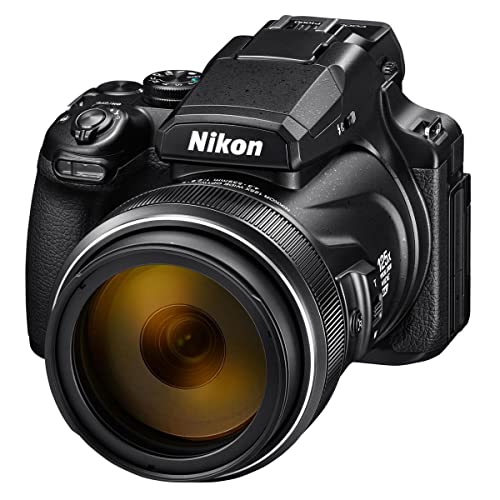
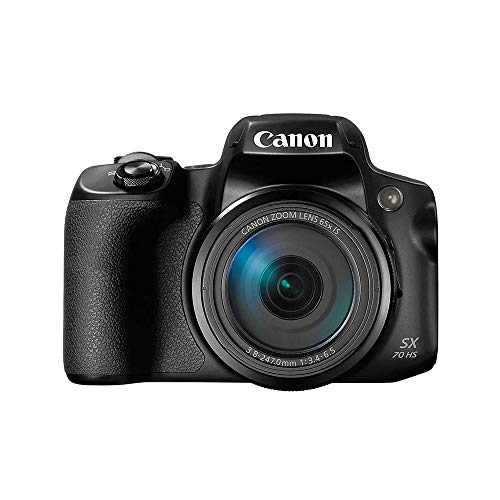
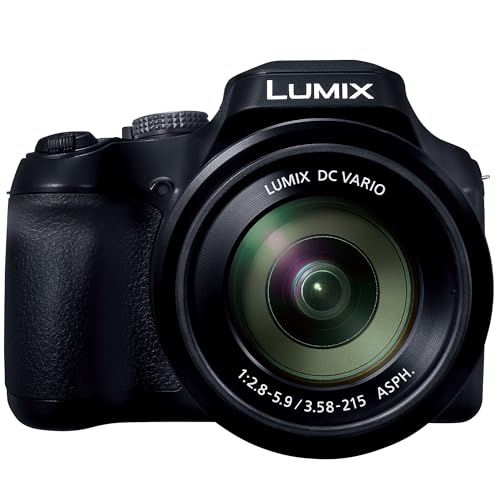
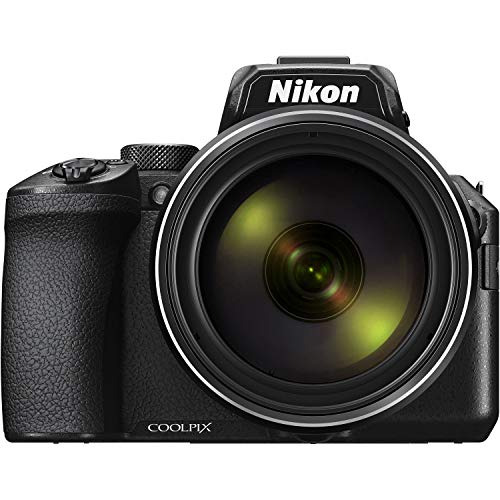
Which brands make the best bridge cameras?
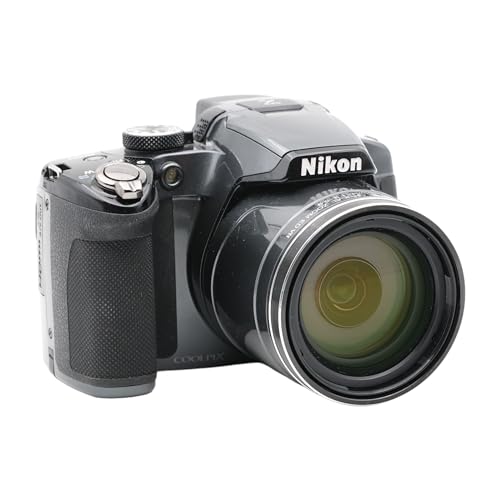
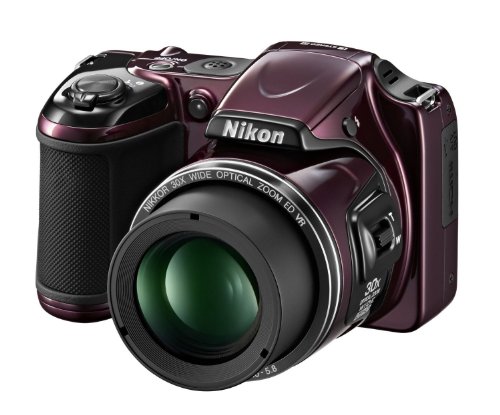
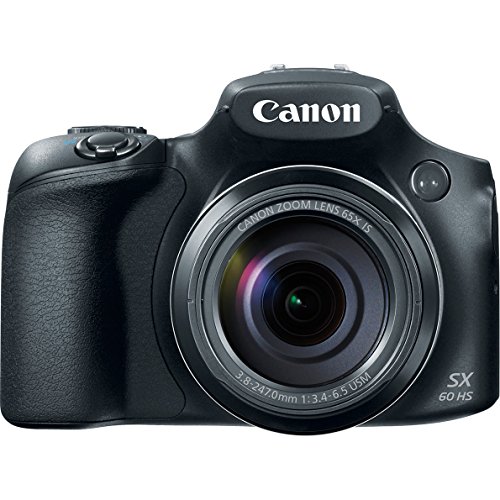
The leading bridge camera brands are as follows:
- [shortcode-18204604001578652704049271407535516802563020855632] (Average overall score: [shortcode-02579538283867836125154351390904365189423707573330])
- [shortcode-05619107390626314196139360097707384639112432246295] (Average overall score: [shortcode-04203905518322543287095609726139542408012345011010])
- [shortcode-17908687512271555085171186360985084282941676949786] (Average overall score: [shortcode-14965577342899671464133587595514901329890529082447])
The chart below compares bridge camera brands by average overall score.
[horizontal-chart-15792688767005278647087353387077339756900667334639]
What is a bridge camera?
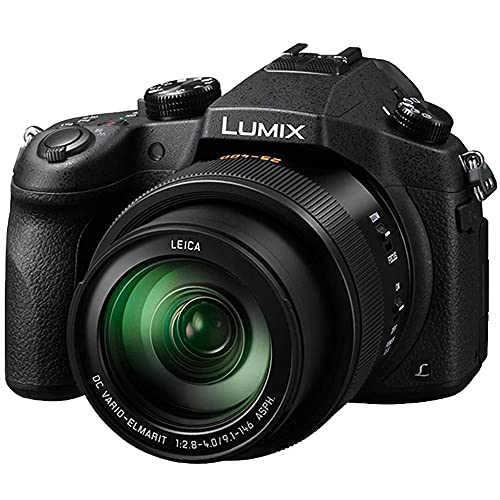
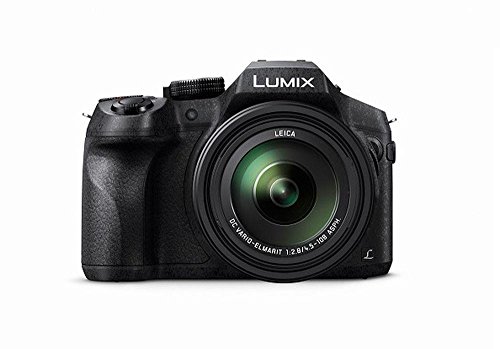
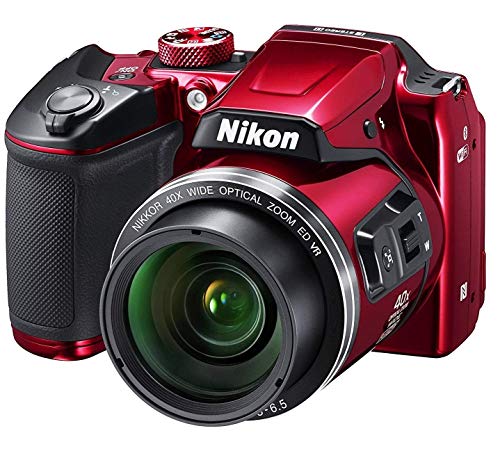
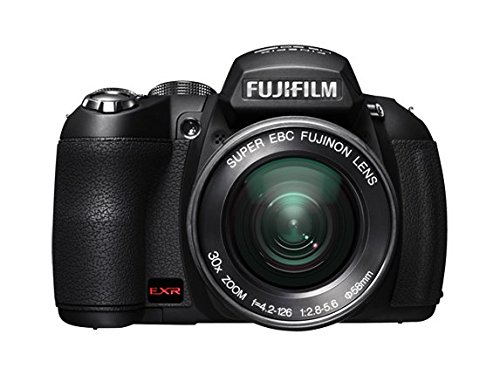
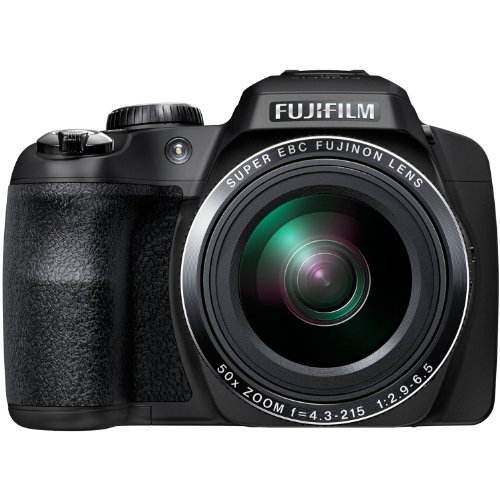
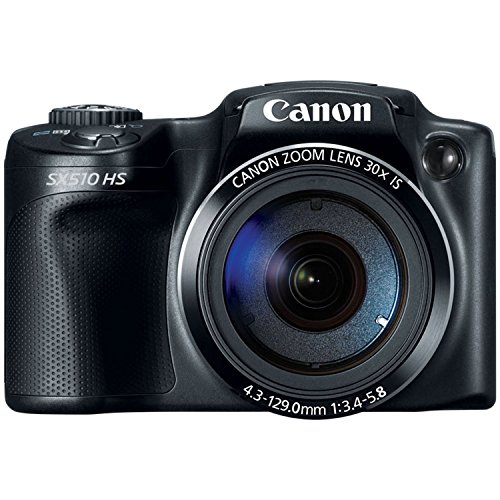
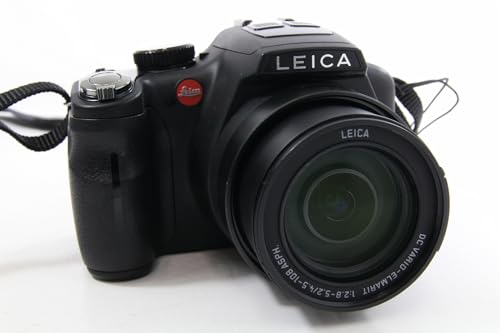
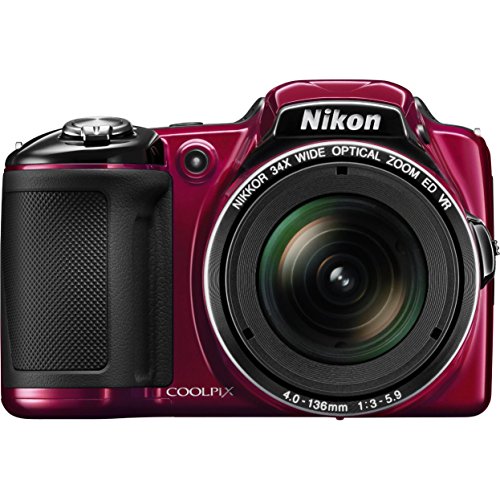
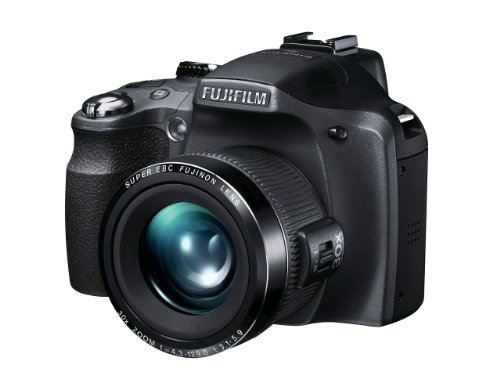
A bridge camera is a fixed-lens digital camera that combines DSLR-like handling with a zoom range far broader than most interchangeable lenses. It typically has a pronounced grip, electronic viewfinder, manual exposure modes, and a lens that cannot be removed.
Most bridge cameras use a 1/2.3-inch sensor to keep very long zoom lenses manageable, commonly delivering about 24×–65× optical zoom and sometimes 83×–125×. Premium models use a larger 1-inch sensor with a shorter range, often around 8×–25×, to improve low-light detail, dynamic range, and depth-of-field control.
This design suits travel, wildlife in good light, family events, and users who want one lens from wide angle to distant subjects. It avoids lens changes and sensor exposure, but the fixed lens means the camera cannot later be upgraded for a brighter aperture, wider view, or specialized macro work.
How do bridge cameras differ from DSLR and mirrorless cameras?
Bridge cameras differ from DSLR and mirrorless cameras mainly by using a permanently attached zoom lens and, in most cases, a smaller sensor. They provide an all-in-one shooting range without the cost, bulk, and lens changes of an interchangeable-lens kit.
A typical bridge camera can cover wide-angle scenes and distant wildlife with one 24×–65× lens, while an equivalent DSLR or mirrorless range would require at least two lenses and could weigh considerably more. Extreme 83×–125× models reach farther still, although atmospheric haze, camera shake, and a small maximum aperture limit how much detail that reach can deliver.

Interchangeable-lens cameras usually have APS-C or full-frame sensors, giving them cleaner high-ISO files, broader dynamic range, and stronger background blur. They also accept bright primes, specialist macro lenses, and professional telephotos, whereas a bridge camera remains limited to its built-in lens.
Bridge cameras are therefore more convenient but less expandable. Choose one when a single stabilized zoom and familiar camera-shaped handling matter most; choose mirrorless or DSLR when low-light quality, fast action, specialized lenses, or long-term system growth has priority.
How much zoom do bridge cameras usually offer?
Bridge cameras usually offer about 20×–65× optical zoom, while specialist superzoom models can reach roughly 83×–125×. The optical ratio alone does not show the actual field of view, so compare the 35 mm-equivalent focal range as well.
A lens beginning near 24 mm equivalent is useful for landscapes, interiors, and groups. A 600–1,500 mm-equivalent long end can frame birds, aircraft, or distant details, but the narrow view magnifies hand movement and makes subject acquisition difficult; strong optical stabilization and a clear electronic viewfinder become essential.
Premium 1-inch bridge cameras generally stop around 8×–25× because a large sensor requires a much larger lens for the same reach. Their shorter zooms often retain brighter apertures and better sharpness, so choose maximum zoom for daylight reach and a 1-inch model when image quality, low-light work, or video matters more.
The chart below shows the optical zoom distribution of bridge cameras.
[vertical-chart-15703547436414270098170672258135982783083775166222]
How good is image quality on bridge cameras?
Image quality on bridge cameras ranges from good in daylight on small-sensor superzooms to very good on premium 1-inch models. Sensor size, lens brightness, focal length, and shooting conditions matter more than the advertised megapixel count.
A 1/2.3-inch bridge camera can make detailed photos at base ISO when light is strong, exposure is accurate, and the subject is not moving quickly. Fine texture and shadow detail deteriorate sooner indoors or at dusk, while aggressive noise reduction can soften foliage, fur, and feathers.
A 1-inch sensor has roughly four times the surface area of a 1/2.3-inch sensor and normally produces cleaner high-ISO files, wider dynamic range, and more flexible RAW adjustments. Its lens usually has less reach, but the better signal and often brighter aperture can preserve more real detail than extreme magnification in weak light.
At the longest focal lengths, heat shimmer, haze, focus error, and camera movement can limit sharpness even with excellent optics. Use optical stabilization, a sufficiently fast shutter, good support, and short bursts; digital zoom only enlarges the captured pixels and does not replace optical reach.
How good is video quality on bridge cameras?
Video quality on bridge cameras is adequate for casual clips on older 1080p models and can be very good on newer 4K cameras, especially those with a 1-inch sensor. The fixed zoom is useful for travel, wildlife, and events, but autofocus, stabilization, recording limits, and lens noise determine whether the result looks polished.
Check whether 4K is captured from the full sensor width or with a crop, whether continuous autofocus tracks reliably while zooming, and whether the camera provides a microphone input and a clean HDMI feed if needed. At long focal lengths, even small movements become obvious, so optical stabilization, a tripod or monopod, and slow zoom operation matter more than resolution alone; 1080p can be the better mode when it offers smoother frame rates, longer recording, or more dependable focus.
How much do bridge cameras cost?
New bridge cameras generally cost about £220-£1,500, with mainstream long-zoom models commonly around £300-£690 and premium 1-inch models around £600-£1,500. Price depends mainly on sensor size, lens range and brightness, autofocus performance, viewfinder quality, burst speed, and video features.
At the lower end, expect a 1/2.3-inch sensor, basic 1080p or entry-level 4K video, and a long but relatively dim zoom. Midrange models usually improve stabilization, electronic-viewfinder clarity, RAW controls, burst performance, and 4K implementation, while extreme-zoom designs charge for reach rather than low-light quality.
Premium 1-inch cameras cost more because they combine a larger sensor with a bright, complex fixed lens and faster processing. Compare the total against an entry mirrorless body with one or two lenses: the bridge camera often wins for all-in-one reach, but the interchangeable-lens system can offer better future flexibility.
The following chart shows the price distribution for these cameras.
[vertical-chart-04130044645440559669171238699764984323191192563360]
What should you check before buying a bridge camera?
Check the following factors before buying a bridge camera:
- Sensor size and shooting conditions: A 1/2.3-inch sensor enables extreme zoom in a manageable body, but it performs best outdoors or at low ISO. A 1-inch sensor gives cleaner low-light files, broader dynamic range, and better RAW flexibility, although its zoom is normally shorter and the camera costs more.
- Equivalent focal range: Compare the wide and telephoto ends in 35 mm-equivalent terms, not only the zoom ratio. About 24 mm equivalent is genuinely useful for landscapes and groups, while 600 mm and beyond suits distant subjects; an 83×–125× lens is valuable only if you can frame, focus, and stabilize it.
- Lens aperture through the zoom range: Check the maximum aperture at both ends because many superzooms become roughly f/5.6–f/8 when extended. A darker telephoto setting forces slower shutter speeds or higher ISO, which can offset the apparent benefit of extra reach.
- Optical stabilization: Strong lens stabilization is essential once the field of view becomes narrow, but quoted stop ratings do not freeze wildlife or sport. Confirm how stabilization behaves in the viewfinder and video, and plan on a monopod or tripod for long sessions and very distant subjects.
- Autofocus and burst depth: Review continuous autofocus, subject tracking, burst speed, and buffer capacity together. A high headline frame rate may lock focus or slow after a short sequence, so check performance with RAW files and the shutter mode you intend to use.
- Electronic viewfinder and screen: A clear viewfinder makes tracking at long focal lengths much easier than composing on the rear screen. Check resolution, magnification, refresh behavior, eye relief, and whether the screen tilts or articulates for low angles, overhead work, and video.
- Photo formats and controls: RAW capture, exposure bracketing, a usable manual-focus aid, and direct controls provide more room to handle difficult light than automatic modes alone. Confirm whether key settings need menu access and whether filters or high-speed modes restrict RAW output.
- Video implementation: Verify 1080p and 4K frame rates, crop, autofocus, stabilization, microphone input, recording duration, and heat behavior. Lens-motor noise and focus pulsing can spoil quiet scenes even when the recorded resolution is high.
- Size, battery, and connectivity: Bridge cameras can approach the size and weight of a small DSLR despite having a smaller sensor, especially with a very long lens. Test grip comfort and balance, then confirm battery endurance, USB charging, spare-battery access, Wi-Fi or Bluetooth support, and compatibility with the current phone app.