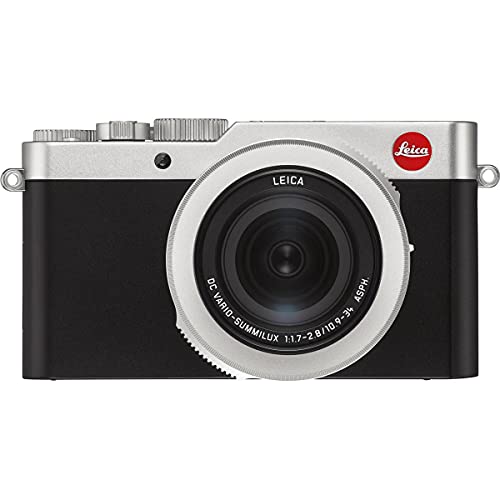
Leica Q recensie. Vergelijk 108 technische specificaties en gebruikersreviews om te zien hoe dit model scoort binnen camera's en of het de aankoop waard is.
Totaalscore
Wat Is het?: Een algemene beoordeling van de kwaliteit van de camera, gebaseerd op technische analyses en gebruikersbeoordelingen.
Wanneer is het belangrijk?: Wanneer je snel wilt zien welke camera's tot de beste op de markt behoren.
Scorecomponenten:
90.0%
Technische score
10.0%
Gebruikersscore
Technische score
Wat Is het?: Een beoordeling van de technische prestaties van de camera in zes gebieden: sensor en beeld, fotofuncties, video en audio, scherm en ontwerp, batterij en voeding, connectiviteit en opslag.
Wanneer is het belangrijk?: Wanneer je camera's wilt vergelijken op basis van technische prestaties en beschikbare functies.
Scorecomponenten:
28.0%
Sensor en beeld
25.0%
Fotofuncties
18.0%
Video en audio
14.0%
Scherm en ontwerp
8.0%
Batterij en voeding
7.0%
Connectiviteit en opslag
Gebruikersscore
Wat Is het?: Een score die gebruikersbeoordelingen combineert met het totale aantal ontvangen reviews voor de camera.
Wanneer is het belangrijk?: Wanneer echte gebruikerstevredenheid en het aantal reviews belangrijk zijn voor je keuze.
Scorecomponenten:
70.0%
Gebruikersbeoordelingen
30.0%
Populariteit
Scorecomponenten:
25.0%
Sensorgrootte
20.0%
Sensorresolutie
20.0%
Dubbele kaartsleuven
15.0%
Aantal scherpstelpunten
10.0%
RAW-foto-opname
10.0%
Fasedetectie-autofocus (foto)
Scorecomponenten:
35.0%
Gewicht
30.0%
Batterijduur (CIPA)
20.0%
Sensor-shift-stabilisatie
15.0%
GPS
Scorecomponenten:
30.0%
Prijs
20.0%
Gewicht
20.0%
AF-tracking
20.0%
Batterijduur (CIPA)
10.0%
Touchscreen
Scorecomponenten:
30.0%
Sensorresolutie
25.0%
Sensorgrootte
20.0%
Sensorpixelgrootte
15.0%
Sensor-shift-stabilisatie
10.0%
RAW-foto-opname
Scorecomponenten:
30.0%
Gewicht
25.0%
Dikte
20.0%
AF-gevoeligheid bij weinig licht
15.0%
Sensor-shift-stabilisatie
10.0%
Oogdetectie-AF (mens)
Scorecomponenten:
30.0%
Sensorgrootte
25.0%
Sensorpixelgrootte
20.0%
Oogdetectie-AF (mens)
15.0%
Sensorresolutie
10.0%
Sensor-shift-stabilisatie
Scorecomponenten:
30.0%
Gewicht
25.0%
Batterijduur (CIPA)
20.0%
Minimale bedrijfstemperatuur
15.0%
Sensor-shift-stabilisatie
10.0%
GPS
Available: ranking among products currently available (including other versions of this product).
All: ranking among all products in the database.
#19 in Beste Leica camera’s
#42 in Beste compactcamera’s
#104 in Beste camera’s voor weinig licht
#331 in Beste camera’s
#331 in Beste digitale camera’s
#918 in Beste reiscamera’s
#918 in Beste camera’s voor wandelen
Wat Is het?: Een beoordeling van de technische prestaties van de camera in zes gebieden: sensor en beeld, fotofuncties, video en audio, scherm en ontwerp, batterij en voeding, connectiviteit en opslag.
Wanneer is het belangrijk?: Wanneer je camera's wilt vergelijken op basis van technische prestaties en beschikbare functies.
Scorecomponenten:
28.0%
Sensor en beeld
25.0%
Fotofuncties
18.0%
Video en audio
14.0%
Scherm en ontwerp
8.0%
Batterij en voeding
7.0%
Connectiviteit en opslag
Wat Is het?: Een score die gebruikersbeoordelingen combineert met het totale aantal ontvangen reviews voor de camera.
Wanneer is het belangrijk?: Wanneer echte gebruikerstevredenheid en het aantal reviews belangrijk zijn voor je keuze.
Scorecomponenten:
70.0%
Gebruikersbeoordelingen
30.0%
Populariteit
Wat Is het?: Een indicator die de algemene beoordeling van de camera combineert met de prijs.
Wanneer is het belangrijk?: Wanneer je wilt weten hoeveel algemene kwaliteit je krijgt voor de gevraagde prijs.
Scorecomponenten:
60.0%
Totaalscore
40.0%
Prijs
Belang: HOOG
Aanbevolen waarde: Full-frame of groter
Belang: HOOG
Aanbevolen waarde: Minstens 20 MP
Belang: HOOG
Aanbevolen waarde: Minstens 3,5 µm
Belang: LAAG
Belang: GEMIDDELD
Aanbevolen waarde: Minstens ISO 25.600
Belang: GEMIDDELD
Belang: GEMIDDELD
Aanbevolen waarde: Minstens 14-bit
Belang: LAAG
Belang: LAAG
Belang: LAAG
Belang: LAAG
Belang: LAAG
Belang: LAAG
Belang: LAAG
Belang: LAAG
Belang: GEMIDDELD
Belang: LAAG
Belang: LAAG
Belang: LAAG
Belang: LAAG
Belang: LAAG
Belang: HOOG
Aanbevolen waarde: Minstens 200 punten
Belang: HOOG
Belang: GEMIDDELD
Belang: LAAG
Belang: LAAG
Belang: GEMIDDELD
Belang: GEMIDDELD
Belang: HOOG
Aanbevolen waarde: Minstens 5 stops
Belang: LAAG
Belang: GEMIDDELD
Aanbevolen waarde: Minstens 10 fps
Belang: LAAG
Belang: LAAG
Belang: LAAG
Belang: LAAG
Belang: LAAG
Belang: LAAG
Belang: LAAG
Belang: LAAG
Belang: LAAG
Belang: LAAG
Belang: LAAG
Belang: LAAG
Belang: LAAG
Belang: LAAG
Belang: LAAG
Belang: LAAG
Aanbevolen waarde: Minstens 200.000 sluiterbewegingen
Belang: LAAG
Aanbevolen waarde: Minstens 10x
Belang: HOOG
Aanbevolen waarde: Minstens 3840 px
Belang: GEMIDDELD
Aanbevolen waarde: Minstens 200 Mbps
Belang: GEMIDDELD
Aanbevolen waarde: Minstens 10-bit
Belang: LAAG
Belang: LAAG
Belang: LAAG
Belang: LAAG
Belang: LAAG
Belang: LAAG
Belang: LAAG
Aanbevolen waarde: Minstens 30 min
Belang: LAAG
Belang: LAAG
Belang: LAAG
Belang: LAAG
Belang: LAAG
Aanbevolen waarde: Minstens 2 microfoons
Belang: LAAG
Belang: LAAG
Belang: LAAG
Belang: LAAG
Belang: GEMIDDELD
Aanbevolen waarde: Maximaal 500 g
Belang: LAAG
Belang: LAAG
Belang: LAAG
Belang: GEMIDDELD
Belang: GEMIDDELD
Aanbevolen waarde: Minstens 2,36 miljoen beeldpunten
Belang: LAAG
Aanbevolen waarde: 100%
Belang: LAAG
Belang: LAAG
Aanbevolen waarde: Minstens 120 Hz
Belang: GEMIDDELD
Aanbevolen waarde: Minstens 3 inch
Belang: LAAG
Belang: LAAG
Belang: LAAG
Belang: LAAG
Belang: LAAG
Belang: LAAG
Belang: LAAG
Aanbevolen waarde: Minstens 10 m
Belang: LAAG
Belang: LAAG
Belang: LAAG
Belang: LAAG
Belang: GEMIDDELD
Aanbevolen waarde: Minstens 400 opnamen
Belang: LAAG
Aanbevolen waarde: Minstens 1.500 mAh
Belang: LAAG
Belang: LAAG
Belang: LAAG
Belang: LAAG
Belang: LAAG
Belang: LAAG
Belang: LAAG
Belang: LAAG
Belang: LAAG
Belang: LAAG
Belang: LAAG
Belang: LAAG
Belang: LAAG
Belang: LAAG
Belang: LAAG
Belang: LAAG
Belang: LAAG
Belang: LAAG
Belang: GEMIDDELD
Aanbevolen waarde: Minstens ISO 25.600
Belang: HOOG
Aanbevolen waarde: Minstens 3,5 µm
Belang: GEMIDDELD
Belang: GEMIDDELD
Aanbevolen waarde: Minstens 10 fps
Belang: LAAG
Belang: HOOG
Aanbevolen waarde: Minstens 20 MP
Belang: GEMIDDELD
Aanbevolen waarde: Minstens 2,36 miljoen beeldpunten
Belang: GEMIDDELD
Belang: GEMIDDELD
Belang: LAAG
Belang: GEMIDDELD
Aanbevolen waarde: Maximaal 500 g
Belang: LAAG
Belang: LAAG
Belang: GEMIDDELD
Aanbevolen waarde: Minstens 400 opnamen
The Leica Q (Typ 116) is a premium, well-built compact camera featuring a fixed 28mm F1.7 lens that delivers exceptional sharpness, rapid AF performance, and a superb 3.68M-dot EVF. While its 24MP sensor offers great image quality, it faces limitations in dynamic range when pushing shadows and lacks the advanced, reliable continuous autofocus found in competitors.
The Leica Q (Typ 116) is a 24-megapixel full-frame mirrorless compact camera that features a fixed 28mm f/1.7 Summilux lens and an M-shaped body design. In his evaluation, Steve Huff praises the camera for reviving traditional German-made Leica image quality. It delivers rich color rendering, sharp detail, and distinct visual "pop" that matches or exceeds the output of more expensive Leica M systems. The camera introduces modern, high-utility features to the brand, including the fastest autofocus in its class, an integrated 3.68-megapixel electronic viewfinder (EVF), intuitive touch-screen controls, and stable Wi-Fi connectivity. Its physical design is highly commended for simplicity and excellent tactile handling, notably through its elegant mechanical manual-to-auto focus switch and an automatic changing depth-of-field scale when transitioning to macro mode. Key Pros & Cons Despite the overall praise, the review highlights distinct limitations inherent to its fixed design and premium pricing: Pros Stunning Image Quality: Delivers exceptional sharpness, rich micro-contrast, and vibrant color pop. High-End EVF: Built-in 3.68 MP electronic viewfinder eliminates the need for bulky external accessories. Excellent Handling: Superior mechanical manual focus ring and an...
The Leica Q (Type 116) is a high-end, full-frame compact camera featuring a fixed 28mm f/1.7 lens that delivers exceptional sharpness, beautiful bokeh, and excellent low-light detail retention up to ISO 50000. It represents a major shift for Leica by integrating modern technologies like rapid autofocus, optical image stabilization, a highly responsive touchscreen, and built-in Wi-Fi. Performance is snappy, with the camera powering on and shooting in under a second, alongside a quick 4.7 frames per second continuous shooting speed for JPEGs. Physically, it boasts a solid all-magnesium-and-aluminum body, a bright electronic viewfinder, and fluidly operating mechanical lens rings. However, the camera has notable drawbacks, primarily a significant susceptibility to moiré artifacts that require heavy post-processing to correct. The JPEG images receive minimal processing, meaning they look quite grainy starting at ISO 6400, and the highest ISO settings can introduce distracting horizontal sensor lines. From a design perspective, the body lacks a built-in grip—making a separate accessory purchase necessary for secure single-handed shooting—and it lacks dust or weather sealing. Furthermore, continuous autofocus during video recording is easily distracted, the panorama...
Despite its strengths, the camera has notable drawbacks, particularly its short battery life, which often yields fewer than the claimed 300 shots per charge and can drain even when the camera is powered off. A major handling omission is the lack of a dedicated physical Live View or view button to easily disable the rear LCD screen, forcing users to navigate the menus inside the viewfinder instead. The concentric on/off switch is overly sensitive and prone to accidentally slipping from single to continuous shooting mode. Furthermore, file management is burdensome because the camera forces a compulsory sidecar system—saving uncompressed 43.1MB DNG files alongside JPEG files rather than DNG alone—and hides its monochrome mode deep within the JPEG saturation menu. Finally, the lens mechanism exhibits an alarming but harmless internal rattle when the camera is turned off, and the physical diopter control dial moves out of alignment too easily.
In this PetaPixel review, photographer Alex Cornell shares his experience testing the Leica Q during a trip to Barcelona and Mallorca, praising it as a highly capable companion camera. The camera's main pros lie in its streamlined design, incredible tonal output, and physical hardware controls, such as the tactile aperture ring and shutter speed knob, which make manual shooting highly engaging. Cornell highlights the outstanding image quality, noting beautiful bokeh at f/1.7 and a unique, "painterly" rendering of colors, skin tones, and water. Additionally, the fixed 28mm lens forces more thoughtful compositions, the clean menu interface is exceptionally user-friendly, the long-lasting battery easily covers a full day of active shooting, and the robust DNG files offer great editing flexibility in Lightroom. However, the reviewer details notable cons regarding the camera's limitations, particularly its lackluster video mode, which suffers from rapid autofocus wobbling, aggressive in-camera sharpening, and a lack of 24fps frame rate options. The fixed 28mm focal length also introduces compositional constraints, restricting variety when shooting vast landscapes and making it impossible to capture compressed, tight frames that would otherwise...
The Leica Q (Typ 116) is a highly capable full-frame travel camera featuring a fixed 28mm f/1.7 Summilux lens and a 24.2-megapixel sensor. Tested extensively over six months across Asia, the camera delivers exceptional, film-like image quality with remarkable color rendition and usable high ISO performance up to 10,000. Its standout features include a blazing-fast autofocus system, a silent electronic shutter allowing for wide-open shooting in broad daylight, and an incredibly satisfying manual focus ring engaged via an ingenious locking tab. The minimalist interface largely lives on the lens itself, allowing the photographer to focus on shooting without menu diving, while the surprisingly stable companion mobile app facilitates quick wireless image transfers. Despite its high praise, the reviewer notes several distinct shortcomings that compromise its otherwise rugged, block-of-metal feel. The most significant drawback is the lack of weather sealing, creating constant anxiety when shooting in rain or humidity. Additionally, the camera cannot be charged via USB, forcing travelers to pack a bulky external wall charger. Other design flaws include a laggy, imprecise touch screen, flimsy plastic compartment doors, an unmappable...
The Trusted Reviews evaluation of the Leica Q (Typ 116) highlights the full-frame compact as a high-tier camera with an exceptional fixed 28mm f/1.7 Summilux lens, superb optical image stabilization, and an intuitive, tactile manual experience. Performance is characterized by beautiful image quality and robust construction, distinguishing it from earlier rebranded models. Conversely, the review notes significant limitations, specifically mentioning poor video capabilities lacking 4K or 24fps, the lack of an external mic jack, and the restriction of a fixed focal length. Furthermore, the high £2,900 retail price, while considered fair by Leica standards, serves as a barrier to entry.
The Leica Q is a highly capable, fixed 28mm f/1.7 lens companion camera that delivers professional-quality images with an incredibly simple, low-profile shooting experience. During a week-long trip to Spain, the reviewer found using the camera to be an absolute joy, praising its sleek, user-friendly menu design and intuitive physical hardware controls, such as the tactile aperture and shutter speed rings. Key strengths include its distinct "painterly" tonal output, excellent low-light bokeh performance, a long-lasting battery, and highly flexible DNG raw files that allow for heavy editing in Lightroom. Additionally, its automatic exposure bracketing pairs seamlessly with post-processing software to easily generate high-quality HDR images. However, the camera has notable limitations, particularly its video mode, which produces subpar results due to severe in-camera sharpening, limited frame rates, and a rapid, erratic autofocus wobble. The fixed 28mm focal length forces the photographer to move around significantly to compose shots, which restricts visual variety and makes capturing vast landscapes or tight, compressed frames impossible without a zoom lens. Despite these compromises and a steep price tag, the reviewer notes that the Leica...
The Leica Q (Typ 116) is a fixed-lens, full-frame compact digital camera featuring a 24-megapixel sensor paired with a permanently attached 28mm f/1.7 Summilux lens. In terms of performance, the camera delivers outstanding image quality with crazy sharp results even when shot wide open at f/1.7, producing excellent bokeh, high contrast, and great background separation. It marks Leica's first digital full-frame camera to incorporate autofocus, which is highly reliable, fast, and accurate even in dimly lit conditions like concert environments. The overall build quality is exceptionally robust, minimalist, and outclasses rivals like Fujifilm and Olympus, featuring a smooth manual focus ring, a tactile aperture ring, a gorgeous high-resolution electronic viewfinder, and a dead-silent shutter. Additionally, the incorporation of a leaf shutter enables lightning-fast flash sync speeds up to 1/2000s, while its built-in macro mode allows users to focus down to a close 17cm.
The Leica Q Typ 116 is an exceptionally fast, well-built mirrorless camera featuring a 24.2MP full-frame sensor and a fixed 28mm Summilux F1.7 ASPH lens. The camera earns high praise for its magnesium housing and solid aluminum top plate, alongside a near-silent mechanical leaf shutter that minimizes vibration and operates up to 1/2000 of a second. Performance is blazingly quick, delivering lightning-fast autofocus that remains highly accurate in dim lighting, a 10 fps burst mode, and a highly responsive menu system. Optically, the lens produces incredibly sharp images even at F1.7, rendered with smooth bokeh, natural colors, and outstanding three-dimensional depth. Additional highlights include a class-leading, lag-free 3.68 MP electronic viewfinder (EVF), a smooth and physical manual focus system with a dedicated focus tab and distance markings, and an innovative macro mode ring that mechanically flips to reveal macro-specific distance scales. On the downside, the reviewer acknowledges that the premium $4,250 price tag is high, though it remains somewhat competitive when factoring in that its main rival, the Sony RX1r, requires a pricey external EVF. The camera's fixed 28mm focal...
Leica Q Review Summary However, the camera has notable limitations, starting with a premium price tag of £3500–£3700 and a fixed focal length that may feel too wide for some users. Performance drawbacks include an insufficient buffer that clogs up after only 12 images during 10fps burst shooting, a single card slot, and very average battery life coupled with an inaccurate three-bar power indicator. From an operational standpoint, the camera lacks a flip-up screen, offers poor touch-to-focus integration when paired with other focusing methods, and provides highly restricted button customisation options. Furthermore, the lens exhibits a fair amount of distortion, and shooting at high ISOs (3200 and above) can introduce visible noise and banding if the shadows are lifted significantly in post-processing.
The original Leica Q (Typ 116) is highly praised as a premier full-frame, all-in-one digital camera that masterfully combines a 24.2MP CMOS sensor with a permanently attached Summilux 28mm f/1.7 ASPH lens. A standout feature is its fast and accurate contrast-detect autofocus system, which includes face detection and tracking alongside an impressive continuous shooting speed of 10 frames per second. Photographers benefit from its versatile physical handling, which features a mechanical leaf shutter capable of silent shooting up to 1/2000s, an electronic shutter extending up to 1/16,000s, a dedicated macro ring that adjusts distance markings, and optical image stabilization (OIS). Furthermore, it features an intuitive physical control layout, an exceptional electronic viewfinder (EVF), a touch screen, and a useful 35mm and 50mm in-camera crop mode that preserves uncropped RAW files. Despite its premium build and high "wow factor," the camera does present a few compromises. Its 28mm fixed focal length requires street photographers to physically move closer to their subjects, which can be a drawback for those who prefer standard 50mm lenses. On the hardware side, it lacks any formal...
The Leica Q is a highly praised full-frame compact camera that expertly bridges the gap between modern mirrorless systems and Leica's classic M-rangefinder heritage. Designed in Wetzlar, its standout pros include a superb fixed 28mm f/1.7 Summilux lens with intuitive manual and macro rings, lightning-fast contrast-based autofocus, and a brilliant 3.68 million-dot built-in electronic viewfinder. Photographers will also appreciate its clean, minimalist control layout, high ISO performance that remains impressively clean at 3200 and 6400, and a clever digital zoom feature that utilizes 35mm and 50mm frame lines to aid composition. Furthermore, the camera's mechanical shutter is whisper-quiet, and its electronic shutter extends speeds up to 1/16000s, making it an exceptional tool for street photography. However, the reviewer highlights several notable cons, most significantly the absolute lack of a dedicated physical Live View or view toggle button, forcing users to dive into menus to switch between the screen and viewfinder. Battery life is another weakness, often falling short of the claimed 300 shots and draining even when the camera is powered down. Additionally, the camera forces a compulsory JPEG file...
Here is a summary of the Leica Typ 116 Q and Q-P review: Review Summary The Leica Q (and its stealthier, matte-finish counterpart, the Q-P) is a full-frame, fixed-lens compact camera featuring a 24-megapixel sensor and an integrated 28mm f/1.7 Summilux lens. The reviewer praises the camera for its exceptional optical quality, noting a beautiful balance between sharpness, bokeh, and color rendition that stands out even against higher-resolution modern cameras. Key design pros include a highly intuitive physical handling system with an aperture ring and finger tab on the lens for seamless macro or manual focus transitions, a gorgeous electronic viewfinder (EVF), and highly flexible RAW (DNG) files that yield excellent post-processing results. The 49-point autofocus system, while older, is reliable enough to confidently capture everyday moments and erratic subjects like children playing. However, the camera shows its age regarding technical performance and processing speed. A major con is the outdated buffer system, which lacks support for fast UHS-II or XQD memory cards, causing noticeable delays and file-writing lag when utilising the camera’s 10 frames-per-second continuous shooting mode. Additionally, the...
The Leica Q is a premium, full-frame compact camera featuring a fixed 28mm f/1.7 Summilux ASPH lens and a 24-megapixel CMOS sensor that delivers exceptional, Leica-characteristic image quality. Tested during a weekend trip to New York City, the camera stands out for its high-utility physical layout, tactile rubberized grip, and a built-in, ultra-high-resolution 3.68 million-dot electronic viewfinder (EVF) that provides a virtually lag-free experience. Its exposure system utilizes a highly intuitive dual-A position ring configuration for quick swapping between manual, aperture priority, and shutter priority modes. While the premium $4,250 price tag is steep, it positions the camera as a compelling built-in EVF alternative to its primary competitor, the Sony RX1. However, the fixed focal length acts as a major limitation for photographers who prefer a tighter telephoto reach, rendering the built-in digital cropping feature (down to 35mm and 50mm) somewhat gimmicky due to the resulting drop in JPEG resolution. The reviewer notes several functional quirks, including a flush, non-articulated rear touch LCD screen that limits high- and low-angle shooting. Additionally, the initial firmware exhibits an aggressive auto-exposure program algorithm...
The DPReview opinion piece highlights the Leica Q (Typ 116) as a compelling blend of traditional design and modern functionality, featuring a crisp electronic viewfinder, a solid, silent build, and a high-quality fixed 28mm lens, all at a relatively accessible price point for the brand. While the camera out-specs many competitors, the review notes drawbacks, including an imperfect touchscreen, lack of control over touch-sensitive autofocus, and a manual focus ring that, despite being well-damped, lacks absolute mechanical perfection.
In this Medium review, the Leica Q (Typ 116) is praised for its exceptional dynamic range, deep shadow details, and rich color rendering. Key advantages include the sharp, fixed Summilux 28mm f/1.7 lens and a 24MP full-frame sensor that allows for flexible cropping, making it ideal for street photography. Medium ·Tei Hipster Conversely, the review notes limited physical controls and a design that may feel insecure for users with larger hands, often requiring an additional grip. Furthermore, the camera produces highly realistic skin tones, which may not appeal to those seeking vibrant, stylized, "Fuji-style" colors out of the box. Medium ·Tei Hipster
The Leica Q (Typ 116) is an Editors' Choice, high-end compact camera featuring a 24-megapixel full-frame sensor and a fixed Summilux 28mm f/1.7 stabilized lens. It is praised for its rapid 10fps shooting, fast autofocus, 3.68-million-dot electronic viewfinder, and robust build. Drawbacks highlighted by PCMag include a high $4,250 launch price and a relatively heavy 1.4-pound body. Additionally, the camera lacks a built-in flash, omits 24fps video recording, and features a sometimes awkward touch-screen interface, making it a specialized tool for wide-angle photographers.
The ePHOTOzine review highlights the Leica Q (Typ 116) as a premium, highly responsive compact featuring a solid, German-made build and a 24-megapixel sensor paired with an exceptionally sharp 28mm f/1.7 lens. Key strengths include rapid performance, an intuitive control layout, and a high-resolution 3.68-million-dot electronic viewfinder. However, the camera lacks weather-sealed protection and features a slippery grip, while its default image processing tends toward soft, under-exposed files with muted colors that often require post-processing. Although considered reasonable value due to the high cost of the lens alone, it remains an expensive, luxurious purchase, with its and color rendition sometimes requiring adjustment.
Leica Q Review Summary The Leica Q (codenamed "Hemingway") is an innovative, high-performance, full-frame compact camera equipped with a fixed 28mm f1.7 Summilux lens and an in-house design by Vincent Laine. It is highly praised for its rapid less-than-a-second startup time, exceptionally fast autofocus, and traditional manual controls that mimic the classic Leica M system, including an intuitive macro-mode ring that shifts the distance scale on the lens barrel. The 24-megapixel CMOS sensor delivers excellent corner-to-corner sharpness, high micro-contrast, and impressive low-light performance that notably outpaces competitors like the Sony A7 II at ISO 1600 and above. Additionally, it features an automatic electronic shutter expanding up to 1/8000 second and a clever "Digital Frame Selector" mode that allows users to frame shots with 35mm and 50mm framelines while retaining full-frame DNG raw files. Despite its standout performance, the review highlights a few notable drawbacks. The built-in high-resolution electronic viewfinder (EVF) is described as slightly too contrasty for the reviewer's personal taste. In terms of build and design, the camera is a bit larger and heavier than its main competitor, the...
The Leica Q is a highly acclaimed, full-frame fixed-lens compact camera featuring a tack-sharp 28mm f/1.7 Summilux lens with built-in stabilization and an innovative macro ring that shifts the focus scale seamlessly. Designed by Vincent Laine, its matte black aesthetic and rounded ends heavily mimic the iconic ergonomics and layout of classic Leica M rangefinders while remaining 100g lighter. The camera boasts a remarkably clean physical layout with minimal clutter, a straightforward four-page menu system, and a exceptionally fast contrast-based autofocus system that excels even in low light. For manual shooting, it provides an outstanding electronic viewfinder (EVF) with 3.68 million dots and simulates a mechanical rangefinder experience through specialized frame lines for 35mm and 50mm digital cropping modes. Despite its overwhelming praise, the camera possesses several distinct drawbacks. Its most prominent hardware flaws include a short battery life that struggles to hit its optimistic 300-shot rating, and the glaring omission of a physical viewfinder toggle button, forcing users to navigate menus through the EVF to switch display modes. On the software side, the camera forces a mandatory combination of...
The Leica Q is an excellent, compact full-frame travel camera that stands out for its exceptional image quality and user-friendly features. Designed for photographers who prefer a fast, modern workflow, it features a 24-megapixel CMOS sensor, a highly efficient contrast-based autofocus system, and an integrated 3.68-megapixel electronic viewfinder that offers 50% higher resolution than the Leica M10’s optional Visoflex accessory. Its standout advantages include a fast continuous shooting speed of 10 frames per second, native HD video recording capabilities, and a dedicated macro photography mode that allows users to capture close-ups from as near as 30 centimetres without needing expensive adapters. Furthermore, it is a highly economical and lightweight alternative to Leica's rangefinder lineup; the camera body with its fixed lens is significantly smaller, 9mm slimmer, and less than a third of the combined price of an M10 paired with an equivalent 28mm lens. Despite these strengths, the Leica Q has notable downsides rooted in its fixed-lens design and aging technology lifecycle. Its primary limitation is the fixed 28mm f/1.7 Summilux lens, an unconventional focal length for fixed-lens compacts that...
The Leica Q stands out as a highly responsive, fixed-lens compact camera featuring a 28mm f/1.7 Summilux lens that delivers breathtaking, cinematic image quality with remarkable sharpness, rich contrast, and vivid, natural colors directly from its raw DNG files. Its autofocus system is exceptionally fast, accurate, and reliable, easily outperforming competitor mirrorless systems. Users will also appreciate the incredibly quiet leaf shutter, which is ideal for discrete street photography, alongside surprisingly strong battery life and effective built-in optical image stabilization (OIS) for low-light shooting. However, the camera suffers from several distinct physical and electronic quirks. The traditional LCD panel used in the electronic viewfinder (EVF) makes it completely useless when wearing polarized sunglasses, particularly during vertical shooting, and it suffers from a distracting magenta tint and jerky refresh rates in low-light environments. Furthermore, the Leica Q lacks weather-sealing entirely, does not feature a much-needed tilty-flippy screen to assist with the 28mm focal length's inherent line distortion, lacks an auto-brightness feature for its screens, and relies on an outdated D-pad rather than a modern joystick for selecting focus points.
The Leica Q (Typ 116) is highly praised as a simple, portable, and exceptional reportage and street camera that strips away complex menu settings to let the photographer focus entirely on the subject. Thorsten Overgaard highlights its fixed 28mm f/1.7 Summilux lens as a standout feature, aligning with Leica’s stellar historical tradition of producing high-quality wide-angle glass. The camera's central leaf shutter renders it entirely silent, allowing handheld shooting at low shutter speeds down to 1/8 second without internal camera shake. Additional strong points include an incredibly fast autofocus system, excellent low-light capability maximizing up to a realistic 6,400 ISO, a brilliant integrated electronic viewfinder (EVF) that mirrors the final exposure, and an elegant macro mode that changes the lens scale to focus as close as 17 cm. The DNG raw files are highly praised for their elasticity and ease of direct, classic black-and-white conversion. However, the review details several notable design flaws and operational drawbacks. The diopter adjustment wheel on the right side of the viewfinder lacks a lock, meaning it is easily bumped and blurred by clothing when...
De Leica Q (Typ 116) blijft een zeer gerespecteerde premium compactcamera, die zijn verouderde technologie compenseert met uitzonderlijke optische prestaties. Recensenten loven consequent de vaste 28mm-lens, de uitstekende beeldkwaliteit, de prachtige kleurweergave en de superieure bouwkwaliteit. De geïntegreerde macromodus en de intuïtieve fysieke schakelaar tussen autofocus en handmatige scherpstelling worden genoemd als uitblinkende ergonomische functies. Gebruikers waarderen het lichte, compacte ontwerp als een ideale metgezel voor reizen en weekenden, die vaak dient als secundaire camera naast zware professionele uitrustingen. Daarnaast merken fotografen op dat moderne RAW-ontwikkelingssoftware een bredere beeldhoek uit de bestanden kan halen, waardoor de 28mm-lens effectief verandert in een hoogwaardig 24mm-kader. De technische beperkingen van de camera laten echter wel zijn leeftijd zien. Het contrast-autofocussysteem wordt omschreven als traag en verouderd, en de elektronische zoeker voldoet niet meer aan de moderne normen. Videofuncties zijn matig geïmplementeerd und over het algemeen niet aanbevolen voor praktisch gebruik. Ergonomisch gezien voelt de camera wat onhandig aan en is hij moeilijk comfortabel vast te houden zonder de aanschaf van een optionele, extra handgreep. Het ontbreekt aan een kantelbaar scherm en de sensortechnologie...
De Leica Q (Typ 116) is een luxe full-frame compactcamera met een 24-megapixelsensor zonder laagdoorlaatfilter, die een uitzonderlijke beeldkwaliteit en maximale scherpte biedt. Hij is uitgerust met een hoogwaardig, beeldgestabiliseerd 28 mm f/1.7 Summilux-objectief dat een uitstekende scherpte van rand tot rand levert. De camera presteert uitstekend dankzij een snel 49-punts autofocussysteem dat geschikt is voor momentopnamen bij weinig licht, en een opnamesnelheid van bijna 9 beelden per seconde in zowel JPEG- als DNG-RAW-indeling. Belangrijke pluspunten van de uitrusting zijn een ongelooflijk scherpe elektronische zoeker met hoge resolutie, een responsief 3-inch touchscreen met touch-to-focus-functionaliteit, ingebouwde wifi en NFC, Full HD-video-opnamen met 60 fps met focus peaking, en een handige macromodus die de minimale scherpstelafstand verkleint tot 17 cm. De camera beschikt ook over een creatieve crop-functie waarmee snel kan worden geschakeld naar brandpuntsafstanden van 35 mm en 50 mm equivalent, waarbij de exacte crop-gegevens rechtstreeks in de EXIF-informatie worden opgeslagen. Hoewel de camera de toon zet op het gebied van beeldkwaliteit, snelheid en functies, kent hij ook enkele duidelijke minpunten. De belangrijkste nadelen zijn het hoge prijskaartje van rond de...
De Leica Q Typ 116 wordt beoordeeld als een emotionele en impulsieve aankoop die traditionele mainstream-specificaties opoffert voor een minimalistisch design en uitzonderlijke beeldprestaties. Aan de positieve kant beschikt de camera over een uitstekende 24 MP full-frame sensor en een vlijmscherpe, vaste 28mm f/1.7 Summilux-lens die prachtige kleuren, een breed dynamisch bereik van 13 stops en schone, bruikbare resultaten tot ISO 6400 levert. Opvallende kenmerken zijn de razendsnelle, door Panasonic ontwikkelde autofocus, een intuïtief touchscreen met een 'iPhone-achtig' tap-to-focus-mechanisme, ingebouwde optische beeldstabilisatie voor scherpe opnames uit de hand tot 1/15 seconde, en een handige app voor het eenvoudig overzetten van foto's. De gestroomlijnde fysieke knoppen voor handmatige belichting en de bescheiden, compacte 'brick'-lay-out van de M-serie maken de opname-ervaring tactiel en meeslepend, vooral voor intieme reportages of straatfotografie. Keerzijde van de medaille zijn de praktische beperkingen en ontwerpfouten. De vaste brandpuntsafstand van 28mm is erg beperkend en dwingt de fotograaf om ongemakkelijk dicht bij onderwerpen te komen, terwijl de digitale crop-simulator (35mm en 50mm) als weinig aantrekkelijk wordt beschouwd. Optisch is de lens gevoelig voor lensflares bij fotograferen tegen de...
Deze recensie van de Süddeutsche Zeitung bestempelt de full-frame Leica Q als een grote technische sprong voorwaarts voor de fabrikant uit Wetzlar, waarmee het merk eindelijk de aansluiting vindt bij Aziatische rivalen zoals Fuji en Sony. De recensent is zeer te spreken over het minimalistische, op Bauhaus geïnspireerde ontwerp zonder overbodige knoppen, evenals de ergonomische duimsteun. Wat betreft prestaties valt de vaste 28mm Summilux-lens op door het lichtsterke maximale diafragma van f/1.7 en de ingebouwde optische beeldstabilisatie, waardoor de camera zeer effectief is voor fotografie bij weinig licht. Daarnaast wordt de camera geprezen omdat hij uitzonderlijk snel en compact is, en beschikt over een discrete, bijna geruisloze sluiterklik die hem uitermate geschikt maakt voor reportagefotografie. De recensie wijst echter ook op flinke nadelen, met name het forse prijskaartje van 3.990 euro, wat evenveel is als een zware DSLR-uitrusting met meerdere lenzen. Hoewel de prijs in vergelijking met de verwisselbare M-lenzen relatief 'goedkoop' is, blijft deze elitair en ontoegankelijk voor de vrijetijdsfotograaf. Een belangrijk technisch minpunt is de neiging van de camera om 'banding' (horizontale lijnen) te vertonen in schaduwpartijen, een...
De Leica Q is een premium compactcamera met een 24-megapixel full-frame sensor en een vaste Leica Summilux 28mm f/1.7-lens die uitzonderlijke details, een hoge lichtopbrengst en een korte minimale scherpstelafstand van 17 cm levert. Aangedreven door de Maestro II-beeldprocessor breekt de camera met de traditioneel tragere prestaties van oudere Leica-modellen en legt een indrukwekkende 10,4 frames per seconde vast voor maximaal 45 JPEG-opnamen. De camera beschikt over een snelle autofocus-vergrendeltijd van 0,23 seconden, een ongelooflijk scherpe elektronische zoeker met 3,68 miljoen subpixels en een intuïtief, goed gestructureerd menusysteem in een hoogwaardige behuizing van magnesium en aluminium. De videokwaliteit is sterk bij 1080p en 60fps, ondersteund door ingebouwde wifi en een effectieve optische beeldstabilisator. Ondanks zijn sterke punten is de camera beperkt tot een enkele, niet-verwisselbare brandpuntsafstand van 28mm, hoewel crop-modi voor 35mm und 50mm enige flexibiliteit bieden. Ruis is laag tot ISO 3.200, maar omdat Leica conservatieve ruisonderdrukking gebruikt om prioriteit te geven aan scherpte, wordt ruis merkbaar bij ISO 6.400 und uitgesproken boven ISO 12.500. Bovendien onthult een sterke schaduwcorrectie zichtbare horizontale banding in RAW-bestanden. Bij continu-opnamen in JPEG+RAW...
De Leica Q (Typ 116) is een premium compactcamera met een 24-megapixel full-frame sensor en een vaste 28mm F1.7 lens, die alom wordt geprezen om zijn robuuste bouwkwaliteit, elektronische zoeker en snelle autofocus. De recensie benadrukt de uitstekende prestaties bij weinig licht en de superieure beeldkwaliteit, waardoor het een ideaal hulpmiddel is voor professionele reportage- en straatfotografie. Als minpunten worden de vaste brandpuntsafstand van 28 mm, de beperkte videofuncties, het gebrek aan weersbestendigheid und het hoge prijskaartje genoemd. Ondanks deze nadelen wordt het beschouwd als een uitstekende camera met een haarscherpe beeldvorming voor gebruikers die deel willen uitmaken van het Leica-ecosysteem.
De Leica Q (Typ 116) is een uiterst professionele, compacte reportagecamera die uitblinkt in het leveren van een emotionele, filmachtige beeldkwaliteit en een uitzonderlijke automatische witbalans onder lastige lichtomstandigheden. Ondanks de aanduiding als 28mm Summilux-lens, gedraagt het werkelijke gezichtsveld zich eerder als een bredere 24mm tot 26mm, waardoor fotografen hun afstand moeten aanpassen om perspectiefvervorming bij portretten te voorkomen. De auteur kocht het toestel tweedehands voor ongeveer € 2.200 en prijst de robuuste bouwkwaliteit, de stille centraalsluiter, het diepe schaduwherstel in Lightroom en de uitstekende vormfactor, wat het een inspirerende metgezel maakt voor persoonlijke projecten en reizen. De camera heeft echter duidelijke beperkingen die voorkomen dat het een eerste keuze is voor dynamisch locatiewerk zoals professionele trouwfotografie. Er ontbreekt een essentieel tweede geheugenkaartslot voor back-ups, de aan/uit-schakelaar is slecht ontworpen waardoor de burst-modus per ongeluk wordt geactiveerd, en de tracking-autofocus is traag en onstabiel, wat ertoe leidde dat het systeem vastliep tijdens snelle opnames. Bovendien zijn de videofuncties nagenoeg onbruikbaar door de slechte audiokwaliteit, een trage autofocus en het ontbreken van een externe microfooningang. De camera produceert ook meer basisruis...
De Messsucherwelt-review beschrijft de originele Leica Q (Typ 116) als een tactiele, minimalistische full-frame camera met een superieur f/1.7 28mm Summilux-objectief en een intuïtieve handmatige scherpstelling.
Deze recensie beschrijft de ervaringen van een veeleisende hobbyfotograaf met de Leica Q (Typ 116) en benadrukt de positie ervan als een hoogwaardige full-frame compactcamera met een vaste 28mm f/1.7-lens. De auteur looft de sublieme bouwkwaliteit, de elegante bediening in 'Leica-stijl' en een zeer nauwkeurig, snel autofocussysteem dat een oplossing biedt voor de tragere scherpstelling van oudere rivalen zoals de Fujifilm X100S. Wat de beeldkwaliteit betreft, levert de Leica Q een uitstekende scherpte die niet onderdoet voor die van lompe professionele spiegelreflexcamera's zoals de Nikon D810. Bovendien hebben latere firmware-updates de bruikbaarheid voor architectuur- en nachtfotografie aanzienlijk verbeterd door belichtingstijden van meer dan 30 seconden mogelijk te maken, een handige afteltimer toe te voegen en een naadloze wifi-beildoordracht naar een iPad te faciliteren. De camera kent echter ook enkele duidelijke minpunten, met als belangrijkste de forse verkoopprijs van ongeveer € 4.000. Vanuit technisch oogpunt signaleert de auteur een hardnekkig probleem met 'banding', waarbij er storende horizontale sensorstrepen verschijnen tijdens lange sluitertijden, vooral bij het oplichten van de schaduwen in donkere partijen – een gebrek dat zijn Nikon-apparatuur niet heeft. De...
Deze recensie beschrijft de ervaringen van Mehrdad Samak-Abedi tijdens een weekendtest van 40 uur met de Leica Q full-frame camera, kort na de lancering in juni 2015. De recensent vergelijkt de vormfactor, ergonomie en de prestaties van de 24-megapixel sensor met die van de Fujifilm X100T. Hij is zeer te spreken over de fysieke bouwkwaliteit, de uitstekende hantering van de Leica Q en het fabelachtige f/1.7 Summilux-objectief, dat zorgt voor scherpte van hoek tot hoek en een uitgesproken '3D-pop' bokeh. Bovendien is de autofocus snel en betrouwbaar – met name in de object-trackingmodus – terwijl het handmatige scherpstelsysteem een nieuwe norm stelt voor digitale camera's door gebruik te maken van een voelbare tab op de scherpstelring, die automatisch een loep in de hoge-resolutie zoeker en focus peaking activeert. Andere pluspunten zijn de nuttige interne beeldstabilisatie, de stille centrale sluiter, de elektronische sluiteropties en de ingebouwde wifi.
De Leica Q (Typ 116) is een hoogwaardige full-frame compactcamera met een 24,2-megapixel CMOS-sensor en een gestabiliseerd Summilux 28 mm f/1.7 vast brandpuntsafstand-objectief. Recensenten loven vooral de uitzonderlijke, hoogwaardige Duitse bouwkwaliteit en de minimalistische ergonomie. De camera levert tot ISO 6400 een indrukwekkende beeldkwaliteit, gekenmerkt door de unieke "Leica-signatuur" die een vloeiende achtergrond combineert mit een poëtische, plastische 3D-uitstraling. Het objectief is prachtig ontworpen en voorzien van fysieke ringen voor diafragma, scherpstelling en macro-modus. Fotografen profiteren daarnaast van een snel en uiterst responsief autofocussysteem, een scherpe elektronische zoeker met 3,6 miljoen beeldpunten en een indrukwekkende batterijduur van ongeveer 500 opnamen per lading. Ondanks de topprestaties en de hoge introductieprijs van € 3.990, kent de camera wel een aantal duidelijke minpunten. De videomogelijkheden zijn zeer beperkt en stoppen bij Full HD-opnamen van maximaal 20 minuten, die bovendien last hebben van oververzadiging, een hoog contrast en een zoekende continu-autofocus. Ook ontbreken een intern geheugen, een koptelefoonaansluiting, een microfooningang en een kantelbaar scherm. Verder kan de elektronische zoeker voor gevoelige gebruikers een storend "regenboogeffect" veroorzaken, wordt de multi-touchfunctionaliteit van het scherm in de...
De Leica Q (Typ 116) is een zeer krachtige full-frame compactcamera met een vastgestelde, gestabiliseerde Summilux 28mm f/1.7 lens en een 24,2-megapixel CMOS-sensor. In de praktijk bij reis- en straatfotografie prijst de recensent de robuuste magnesiumlegering behuizing, de uitstekende elektronische zoeker met 3,68 miljoen beeldpunten en de uitzonderlijk snelle en nauwkeurige autofocus. Noemenswaardige voordelen zijn onder andere een elektronische sluiter die tot 1/16000s reikt, waardoor met een volledig open diafragma in fel zonlicht gefotografeerd kan worden zonder ND-filters. Daarnaast maakt de zeer efficiënte optische beeldstabilisatie scherpe opnames uit de hand mogelijk bij sluitertijden tot wel 1/4 seconde. De centrale sluiter werkt vrijwel geruisloos, wat ideaal is voor spontane fotografie, terwijl het handmatige belichtingscompensatiewiel een intuïtieve, snelle aanpassing van het licht toelaat. Bovendien vergroot een speciale macroring op de lens de veelzijdigheid bij het fotograferen. De camera heeft echter enkele fysieke en brandpuntsafstand-beperkingen. De recensent merkt op dat het plastic batterijklepje aan de onderkant minder premium aanvoelt dan de edele afwerkingen van traditionele Leica M-systeemcamera's. De lenstube is ook relatief lomp en de ontspanknop mist de standaard schroefdraad, wat het bevestigen...
De geleverde Fnac-klantenbeoordelingspagina voor de Leica Q (Typ 116) laat een overweldigend positieve feedback van gebruikers zien, met een perfecte score van 5 van de 5 sterren op basis van in totaal 19 klantbeoordelingen. Klanten prijzen de camera universeel als een "fantastisch apparaat", een "must-have" voor reportages en een waar "juweel" dat een prestigieuze, hoogwaardige opname-ervaring biedt. De camera wordt door gebruikers ten zeerste aanbevolen als een uitzonderlijk en functioneel hulpmiddel dat specifiek is geoptimaliseerd voor straat- en reisfotografie. Bij het evalueren van de specifieke voor- und nadelen die door de kopers worden genoemd, wegen de sterke punten aanzienlijk zwaarder dan de zwakke punten. De pluspunten omvatten een uitzonderlijk objectief met een fantastische scherpte ("piqué"), uitstekende prestaties bij weinig licht dankzij de grote sensor, effectieve ingebouwde beeldstabilisatie en een superieure ergonomie die de camera licht van gewicht en compact maakt. Daarentegen werden door een paar klanten specifieke nadelen en problemen met "accessoires" opgemerkt. Jean-Cyrille J. klaagde er expliciet over dat de metalen lensdop niet goed blijft zitten en bij de minste hobbel eraf valt, waarbij hij ook opmerkte dat er...
De Leica Q (Type 116) is een zeer krachtige full-frame compactcamera geïnspireerd op de klassieke Leica M-serie, specifiek geoptimaliseerd voor straatfotografie. De camera heeft een 24-megapixelsensor (waarschijnlijk geproduceerd door Sony) die uitzonderlijke prestaties levert bij weinig licht, met een esthetische, filmachtige korrel die bruikbaar is tot ISO 12.500. De camera is gebouwd rond een vaste, gestabiliseerde Summilux 28mm f/1.7-lens, die zorgt voor een ongelooflijk scherpe weergave in het midden, een natuurlijke bokeh en een ingenieuze macromodus die de fysieke afstandsschaal op de lensbehuizing aanpast. Daarnaast introduceert het model een ultrasnel, betrouwbaar autofocussysteem, een stille elektronische sluiter met snelheden tot 1/16.000s en een ingebouwd cropsysteem voor brandpuntsafstanden dat kaderlijnen voor 35mm (15,3 MP) en 50mm (7,5 MP) rechtstreeks in de zoeker simuleert. Als pluspunten noemt de review de hoogwaardige bouwkwaliteit, de zeer responsieve en discrete bediening en een uitzonderlijk scherpe elektronische zoeker (EVF) zonder vertraging. Gebruikers profiteren van een goede batterijduur (ongeveer 500 opnamen), een zeer nauwkeurig touchscreen, ingebouwde wifi en een voelbare handmatige scherpstelknop met een geïntegreerde AF-vergrendeling. De nadelen zijn minimaal maar opmerkelijk: de camerabody is niet weerbestendig (niet-tropisch...
De Leica Q (Typ 116) is een high-end compacte expertcamera met een 24-megapixel full-frame (24-36mm) sensor, een vaste, gestabiliseerde 28mm f/1.7 lens en een geavanceerde Maestro 2-processor. De camera is ontwikkeld via een technologische samenwerking met Panasonic – dat verantwoordelijk was voor de beeldstabilisatie en het autofocussysteem – maar behoudt het traditionele Leica-ontwerp. De grootste pluspunten zijn de uitstekende handmatige bedieningselementen, waaronder fysieke knoppen voor diafragma en sluitertijd, en een nauwkeurige handmatige scherpstelring met een fysieke vergrendeling om over te schakelen naar autofocus. De lens is voorzien van ingebouwde schalen voor scherptediepte en afstand, naast een innovatieve mechanische ring die schakelt tussen de normale stand (30 cm tot oneindig) und een speciale macromodus (17 cm tot 30 cm). Daarnaast beschikt het toestel over een elektronische zoeker (EVF) met een hoge resolutie van 3,68 miljoen beeldpunten, een 1200 mAh-batterij die goed is voor 500 foto's, en moderne functies zoals Full HD-video met 60p, wifi, NFC en focus peaking. Ondanks de hoogwaardige techniek wijst de recensent op verschillende opmerkelijke ontwerpfouten en operationele beperkingen. Aan de negatieve kant wordt het multi-touchscreen zwaar onderbenut;...
Het Phototrend-artikel biedt een overzicht van de initiële lancering en de vroege ontvangst van de Leica Q Typ 116, een hoogwaardige compacte expertcamera. De samenvatting benadrukt dat dit model een belangrijke stap is voor het Duitse merk, waarmee het zich rechtstreeks positioneert om te concurreren met de full-frame RX1-serie van Sony. Het looft de belangrijkste technische specificaties van de camera, met name de 24-megapixel full-frame CMOS-sensor en het vaste Summilux 28mm f/1.7 groothoekobjectief. Vroege testers van Focus Numérique en Les Numériques concludeerden dat het toestel qua prestaties opvalt als "een van de beste camera's" in de geschiedenis van Leica. Samenvatting van plus- en minpunten", "Pluspunten: De recensie benadrukt de uitstekende beeldkwaliteit en de voor Leica innovatieve toevoegingen, zoals de ingebouwde optische beeldstabilisatie en Focus Peaking-functies. Minpunten: Het belangrijkste en meest opvallende nadeel is het onbetaalbare prijskaartje van € 3.990, wat in de reacties van de community leidde tot flinke kritiek omdat het onbereikbaar is voor gewone fotografen en sterk gericht is op status of "uiterlijk vertoon" in plaats van puur functionele fotografie. Bovendien klaagt een reactie van een gebruiker over...
De recensie van de Leica Q (Typ 116) beoordeelt de hoogwaardige premium compactcamera als een succesvolle mijlpaal die de Duitse fabrikant naar het moderne digitale tijdperk heeft gebracht. De camera breekt met eerdere ontwerpbeperkingen en weerspiegelt op succesvolle wijze de iconische esthetiek en fysieke filosofie van de legendarische M-meetzoekerlijn. Deze klassieke DNA is echter gecombineerd met moderne technologieën, waardoor de camera zeer aantrekkelijk is voor fotografen die beeldkwaliteit op Leica-niveau willen zonder de mechanische ouderwetsheid van oudere productlijnen. Uitgerust met een 24,1-megapixel full-frame sensor en een snelle, groothoekige 28 mm f/1.7 vaste lens, levert de Q een beeldkwaliteit die gelijkwaardig is aan de veel duurdere Leica M240, terwijl hij aanzienlijk betaalbaarder is. De recensie belicht verschillende duidelijke pluspunten en enkele opmerkelijke minpunten voor potentiële kopers:", "Pluspunten", "Moderne integratie: De camera bevat een zeer responsief en krachtig automatisch scherpstelsysteem, dat ontbrak in de M-serie. Geavanceerde weergavehulpmiddelen: Hij beschikt over een heldere elektronische zoeker (EVF) met een hoge resolutie van meer dan 3 miljoen beeldpunten, samen met een responsief touchscreen. Hogesnelheidsprestaties: De camera biedt efficiënte en snelle functies voor continu-opnamen. Waar voor...
De Leica Q is een krachtige, intuïtieve full-frame compactcamera, ontworpen voor de behoeften van moderne straatfotografen en snelle fotojournalistiek.
De recensie van Fotografi Digitali beschouwt de Leica Q als een uitzonderlijk ontworpen full-frame compactcamera die nauwkeurig is afgestemd op de behoeften van de fotograaf.
De Leica Q (Typ 116) is een high-end compactcamera met een 24-megapixel full-frame sensor en een vast, ultralichtsterk Summilux 28mm f/1.7 ASPH-objectief. De camera is ontworpen op basis van directe feedback van fotografen en combineert een retro-esthetiek met moderne prestaties, uitgerust met een snel autofocussysteem, een fenomenale elektronische zoeker met 3,7 miljoen pixels en een krachtige Maestro II-processor. De gestroomlijnde ingebouwde software vermijdt ingewikkelde menu's en zorgt voor een pure, snelle en tactiele 'back-to-basics' fotografie-ervaring die zeer intuïtief blijft. Bovendien maakt de hybride sluiter (mechanisch tot 1/2.000s en elektronisch tot 1/16.000s) fotograferen met een volledig open diafragma mogelijk, zelfs in fel daglicht, om optimaal te profiteren van rijke bokeh-effecten.
De Leica Q is een zeer compacte full-frame camera met een 24-megapixelsensor en een vast ingebouwd Summilux 28 mm f/1.7 ASPH-objectief, verkrijgbaar voor iets minder dan € 4.000. Dit handzame toestel is in de eerste plaats ontworpen voor straatfotografie en valt op door zijn uitstekende bouwkwaliteit, een intuïtieve touchscreen-interface met touch-focus en een hoogwaardige elektronische zoeker. De recensent benadrukt dat de grootste pluspunten liggen in de indrukwekkende scherpte, de natuurlijke kleurweergave en de uitstekende prestaties bij weinig licht met hoge ISO-waarden. Daarnaast zorgen de ingebouwde wifi en de mobiele app-verbinding voor een vlotte overdracht van foto's rechtstreeks naar smartphones of tablets. Een minpunt is dat gebruikers moeten omgaan met de beperking van een vaste brandpuntsafstand van 28 mm, hoewel de hoge sensorresolutie wel voldoende ruimte biedt om flink te croppen. De videofuncties van de camera zijn echter ondermaats: de resolutie blijft steken op Full HD (met 30 of 60 fps) en ondersteuning voor 4K, een cinematografische modus van 24 fps en een fysieke aansluiting voor externe microfoons ontbreken volledig. Bovendien blijft het forse prijskaartje, ondanks de positionering als een laagdrempeliger...
De beoordeelde Leica Q (Typ 116) is een full-frame compacte digitale camera die klassieke esthetiek meesterlijk in balans brengt met moderne prestaties. Ontworpen rond een 24-megapixel sensor gekoppeld aan een snel, optisch gestabiliseerd 28mm Summilux f/1.7 vast objectief, wordt hij geprezen om zijn uitzonderlijke bouwkwaliteit en robuuste voelbare bedieningselementen zoals fysieke sluitertijd- en diafragmaringen. Belangrijke sterke punten zijn onder meer een verbluffend scherpe elektronische zoeker met 4 miljoen beeldpunten, een ongelooflijk snelle continue autofocus, een bliksemsnelle burstsnelheid van 10 beelden per seconde en een innovatieve digitale zoommodus waarmee gebruikers direct kunnen croppen naar een 35mm- of 50mm-kader met behoud van de volledige Raw-data. Bovendien schakelt de ingenieuze mechanische macromodus de afstandsschaal naadloos terug naar 17 cm voor foutloze macrofotografie. Ondanks de uitstekende prestaties kent de camera een paar opmerkelijke tekortkomingen. De review benadrukt een duidelijke neiging van de camera om beelden standaard iets te onderbelichten, hoewel dit tijdens het bewerken van Raw-bestanden kan worden gecorrigeerd zonder schaduwdetails te verliezen. Videofuncties voelen aan als een bijzaak, aangezien de camera beperkt is tot standaard 1080p full HD-opnamen. De belangrijkste barrière is echter...
De Leica Q is een hoogwaardige full-frame compactcamera met een grote 24-megapixel CMOS-sensor en een vast, ultralichtsterk Summilux 28mm f/1.7 ASPH-objectief.
De recensie benadrukt dat de Leica Q een uitzonderlijke, hoogwaardige full-frame compactcamera is die speciaal is ontworpen voor straat-, landschaps- en architectuurfotografie. De camera wordt geprezen om zijn uitstekende combinatie van een hoogwaardige bouwkwaliteit en beeldkwaliteit, uitgerust met een 24-megapixel full-frame CMOS-sensor en een ongelooflijk scherpe, lichtsterke Leica 28mm Summilux f/1.7 vaste lens. Zowel recensenten als gebruikers zijn enthousiast over de snelle en nauwkeurige autofocus, de mogelijkheid om 10 beelden per seconde vast te leggen en de uitstekende prestaties bij weinig licht met gevoeligheden tot ISO 50.000. De camera combineert een retro-esthetiek naadloos met moderne functionaliteiten, zoals een ingebouwde elektronische zoeker, een 3-inch touchscreen, intuïtieve handmatige instelringen en ingebouwde wifi- en NFC-connectiviteit. De recensie noemt echter ook een paar opmerkelijke minpunten om rekening mee te houden. De belangrijkste beperking is de vaste brandpuntsafstand van 28 mm. Dit betekent dat er geen zoomfunctie is, waardoor fotografen gedwongen zijn om binnen die specifieke groothoekbeperking te werken. Ook de videofuncties zijn naar de huidige maatstaven weinig concurrerend, aangezien de camera puur is geoptimaliseerd voor fotografie en niet verder gaat dan Full HD-opnames. Het...
De Leica Q wordt alom geprezen als een onberispelijk ontworpen premium compactcamera die het gat dicht tussen eenvoudige point-and-shoot-bediening en professionele prestaties.
De Leica Q is een hoogwaardige full-frame compactcamera met een vast Summilux 28mm f/1.7-objectief en een 24,2-megapixel CMOS-sensor, speciaal ontworpen om de pure, spontane essentie van straatfotografie vast te leggen. Getest in de diverse en drukke straten van Antwerpen, valt de camera op door zijn uitzonderlijke bouwkwaliteit en zijn zeer tactiele, analoog geïnspireerde bediening. De camera levert direct uit de behuizing een uitstekende beeldkwaliteit en produceert opmerkelijk scherpe details, een levendige kleurweergave en rijke contrasten die minimale nabewerking vereisen. Voor straatfotografen die de voorkeur geven aan een groothoekbrandpuntsafstand, maken de nagenoeg stille mechanische sluiter en de discrete, eenvoudig af te plakken esthetiek het een uitzonderlijk onopvallend gereedschap voor spontane opnamen. De recensent wijst echter op verschillende praktische nadelen om rekening mee te houden voordat u op pad gaat voor een dagvullende reportage. De meegeleverde leren draagriem is te kort om de camera kruislings over het lichaam te dragen, waardoor gebruikers worden gedwongen de dure apparatuur opvallend om hun nek te hangen. Wat de bediening betreft, bevriest de camera het vastgelegde beeld standaard in de elektronische zoeker met 3,68 miljoen beeldpunten;...
Vergelijk