Which brands make the best cameras for hiking?
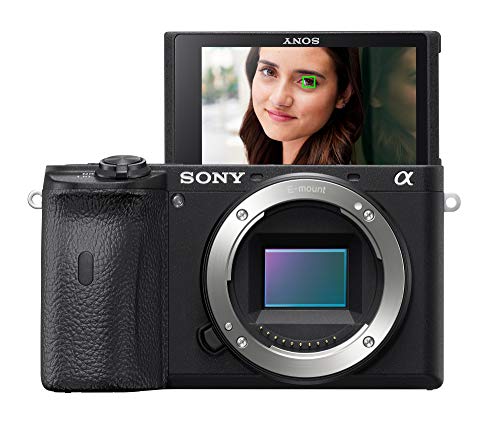
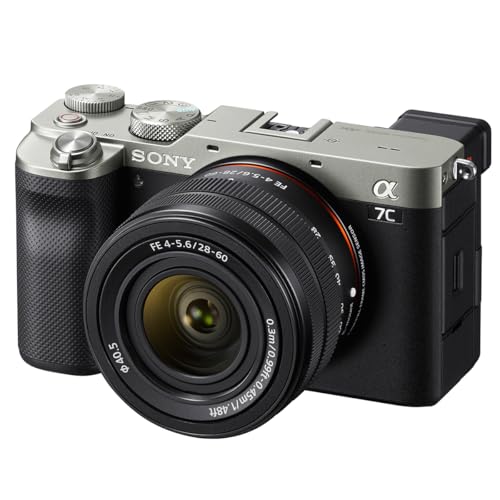
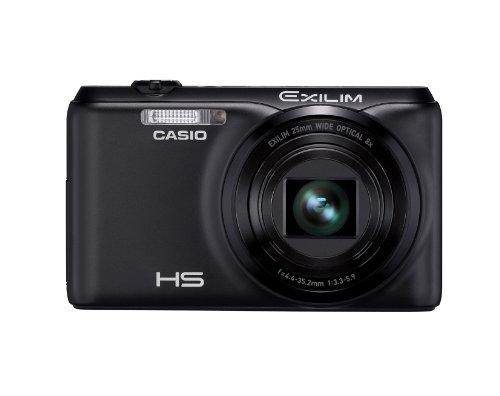
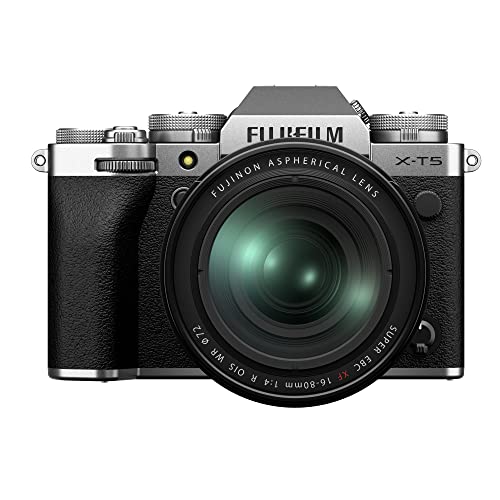
The leading camera brands for hiking are as follows:
- [shortcode-13646907876638838171052931866683602095052329917161] (Average overall score: [shortcode-01756154119143033141101422040625390448670128578343])
- [shortcode-08181151659023759706012375491653840239623471815543] (Average overall score: [shortcode-13262840493888050097022734278546910749142501630686])
- [shortcode-14668477891124977311007537616896435307740901841699] (Average overall score: [shortcode-03549011115566253131026326924836267067581436144578])
The chart below compares camera brands for hiking by average overall score.
[horizontal-chart-11439997528899748429170390884347774294411101801275]
What makes a camera suitable for hiking?
A camera is suitable for hiking when it is light enough to carry, protected enough for changing weather, and simple to access without removing a large backpack. The complete body-lens combination matters more than body weight alone.
Useful features include stabilization, a viewfinder visible in sun, USB charging, a tilting screen, RAW capture, and controls that work with gloves. Weather sealing reduces risk from drizzle and dust but does not make the camera waterproof.
One versatile lens usually beats several specialist lenses on a long route. A range around 24–120 mm equivalent covers landscapes, people, and details; 24–200 mm adds wildlife reach at the cost of aperture, size, or image consistency.
How much do size and weight matter on cameras for hiking?
Size and weight matter greatly because every camera gram competes with water, clothing, food, and safety equipment. A 300–500 g body with a 200–500 g lens is manageable for most day hikes, while a 1.5–2 kg camera kit becomes a significant load on steep or multi-day routes.
Balance and access also matter. A compact camera on a shoulder clip may be used often, while a lighter body buried inside the pack may miss changing light. Large lenses swing, catch straps, and require a deeper protective bag.
Choose the smallest system that still meets the required low-light, focal-length, and handling needs. Saving weight by using one versatile lens often matters more than choosing the absolute lightest body.
The chart below compares the weight distribution of cameras considered for hiking.
[vertical-chart-08784060358811070449101776571876100382942284253647]
What battery life and charging options matter on cameras for hiking?
A hiking camera should last at least a full day of realistic use or support easy charging from a power bank. A CIPA rating around 300–500 shots is a useful baseline for mirrorless cameras, while DSLRs may exceed 800–1,000 shots through an optical viewfinder.
Cold weather, image review, GPS, wireless transfer, stabilization, and video reduce endurance. Carry a spare battery in an inner pocket and disable unnecessary radios when power matters.
USB-C charging or power delivery simplifies multi-day travel because the same power bank can charge a phone and camera. Confirm whether the camera can charge while switched off, operate while powered, and use a standard cable rather than a proprietary dock.
How useful is weather sealing on cameras for hiking?
Weather sealing is highly useful for hiking because drizzle, mist, dust, snow, and condensation can appear far from shelter. Sealed buttons, doors, and joints reduce risk, but protection requires a sealed lens and correctly closed ports.
Weather resistance is not waterproofing. Use a rain cover or dry bag in sustained rain, avoid changing lenses in blowing dust, and let cold equipment warm gradually inside a closed bag to reduce condensation.
Sealing is most valuable on exposed, coastal, desert, winter, and multi-day routes. On fair-weather day hikes, low weight and quick access may reasonably take priority.
How much zoom is useful on a camera for hiking?
About 5×–10× equivalent coverage is useful for most hiking, especially a range near 24–120 mm or 24–200 mm. It captures wide landscapes, companions, trail details, and moderate wildlife without carrying multiple lenses.
Longer 300–600 mm-equivalent reach helps birds and distant animals but increases lens size or requires a small-sensor bridge camera. Extreme zoom is less useful when haze, dim apertures, and camera shake reduce detail.
Check the widest focal length as carefully as the longest. A 28 mm starting point can feel restrictive for mountain views and interiors, while 20–24 mm gives more flexibility.
What image quality should cameras for hiking have?
A hiking camera should provide enough quality for detailed landscapes, recovered highlights, and prints without demanding an oversized system. Roughly 16–33 MP is sufficient for most uses when the lens is sharp and focus is accurate.
RAW capture and good dynamic range help with bright skies and shaded valleys. Stabilization improves handheld detail at dawn or in forests, while weather and atmospheric haze often limit distant resolution before the sensor does.
Choose image quality that matches the carrying commitment. A smaller sensor with a sharp versatile lens can produce better hiking photographs than a full-frame kit that is too heavy to keep accessible.
How much do cameras for hiking cost?
New hiking-friendly cameras generally cost about £400-£2,200 for the body, with rugged compacts and simpler models available below that range. APS-C and Four Thirds kits around £600-£1,300 often provide the strongest balance of sealing, stabilization, viewfinder quality, and manageable lenses.
Premium compact, full-frame, and high-end outdoor bodies around £1,300-£2,200 improve low-light quality, controls, construction, and autofocus, but their lenses can double the carried weight and total cost.
Include one suitable lens, spare battery, fast card, protective bag or clip, and rain protection. A balanced weather-resistant kit under £1,300 is often more practical than a £2,600 setup that remains in the backpack.
The following chart shows the price distribution for cameras considered for hiking.
[vertical-chart-09601465324482824855025823904603718965703510735097]