
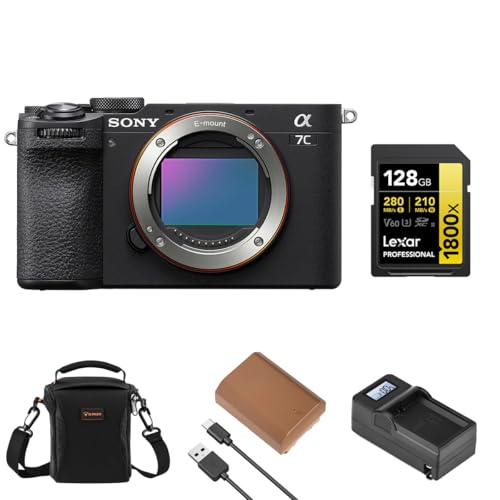
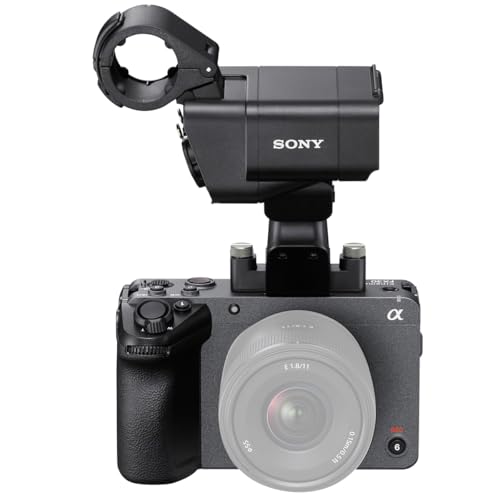
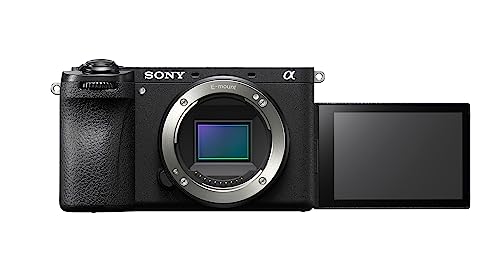
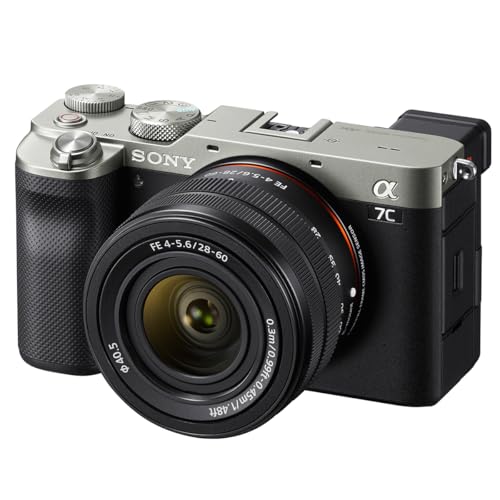
Are Sony cameras good?
Sony cameras have an average overall score of [shortcode-15123774763578902865074345472700748388771715556780], ranking #[shortcode-11272632506604382166062733670324331152683826687088] among comparable camera brands, and a user rating of [shortcode-02051835650222881021087850989216214142993528128475], placing them at #[shortcode-13491040194199309525170173898255125808393062978513] based on user reviews.
Yes—Sony cameras are very good, especially for photographers and filmmakers who value reliable autofocus, strong sensor performance, and a wide choice of E-mount lenses. Recent Alpha bodies can recognize and track people, animals, birds, vehicles, and other subjects, while Sony offers everything from compact APS-C cameras to 50 MP-class professional bodies and high-speed stacked-sensor models.
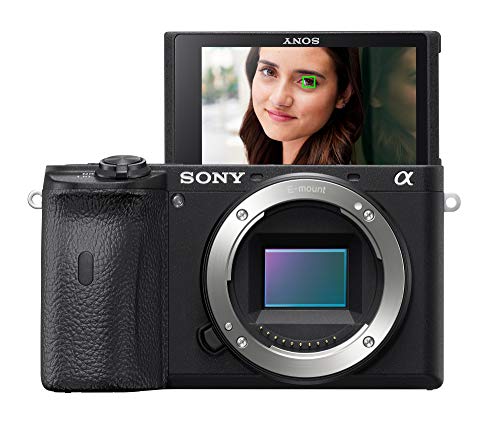
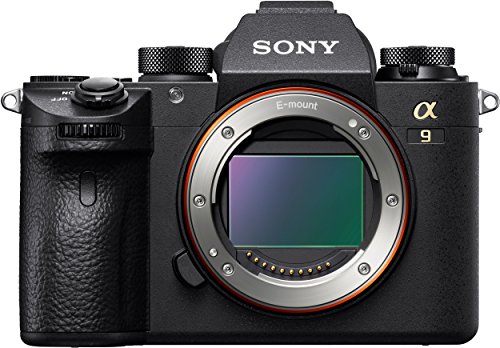
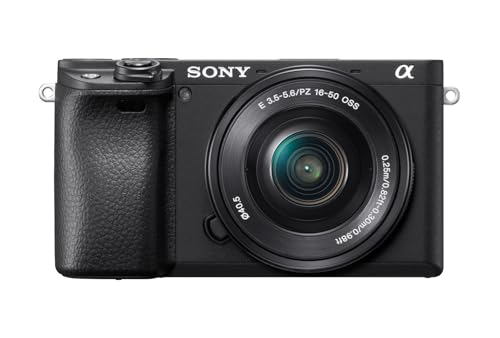
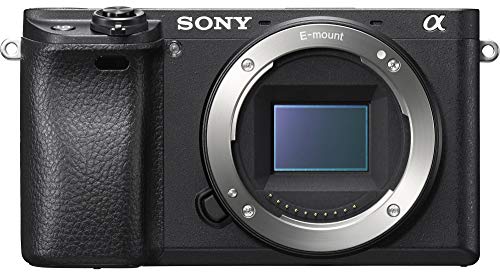
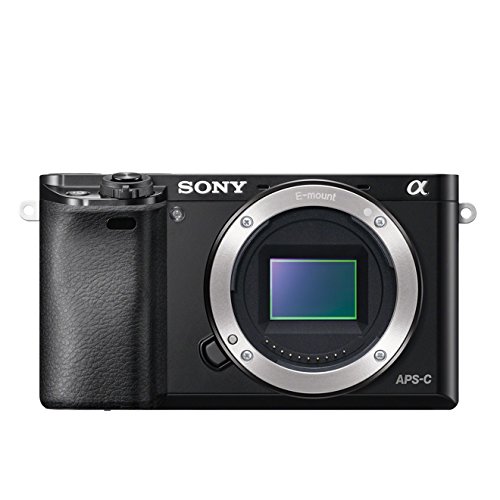
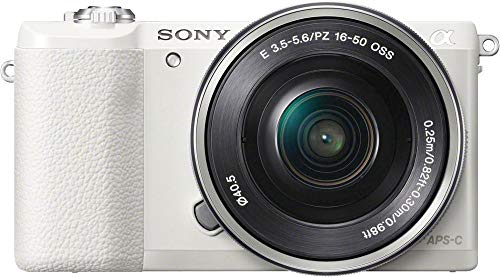
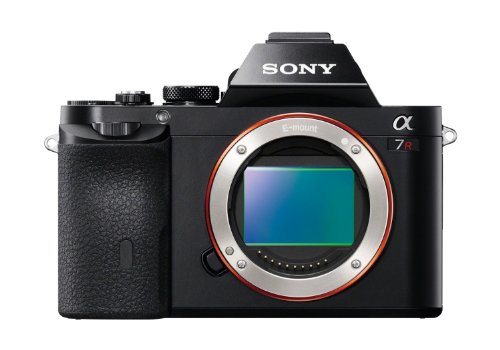
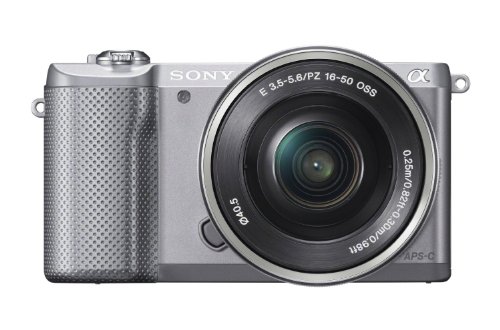
The system is particularly convincing for sports, wildlife, events, hybrid photo/video work, and travel. The Alpha 1 and Alpha 9 families prioritize speed and reduced viewfinder interruption; Alpha 7R models prioritize resolution; Alpha 7S and ZV models emphasize video; and the Alpha 6000 line offers a smaller APS-C route into the same mount. Native Sony lenses are supplemented by extensive Sigma, Tamron, Samyang, Zeiss, and other third-party choices.
Sony is not automatically the best fit for every buyer. Older bodies have less intuitive menus, compact grips can feel cramped with large GM zooms, and non-stacked sensors can show rolling-shutter distortion during fast electronic-shutter shooting or quick video pans. A Sony is a strong choice when its autofocus, sensor, lens selection, and body size solve the intended job, but handling and mode-specific limitations should be checked on the exact model.
What are the main advantages of Sony cameras?
The main advantages of Sony cameras are as follows:
- Autofocus and subject recognition: Recent Alpha cameras combine wide frame coverage with dependable eye detection and subject tracking for people, animals, birds, vehicles, and other targets. This reduces the need to move a focus point manually during sports, wildlife, events, and self-recorded video.
- Sensor choice and speed: Sony offers high-resolution sensors for cropping and studio work, lower-resolution sensors optimized for low light and video, and stacked sensors designed for rapid readout. Buyers can therefore choose between detail, sensitivity, and burst performance instead of accepting one sensor formula across the range.
- E-mount lens selection: Full-frame FE and APS-C E lenses share the same physical mount, and the system has unusually broad support from Sony, Sigma, Tamron, Samyang, Zeiss, and specialist manufacturers. That creates more choices at different sizes and prices, from compact primes to professional f/2.8 zooms and long wildlife lenses.
- Strong hybrid-video tools: Many current bodies offer 4K recording, log profiles, microphone connectivity, subject-tracking autofocus, and articulated or tilting displays. Higher models add features such as 10-bit recording, high-frame-rate 4K, full-size HDMI, advanced heat management, or minimal-crop oversampled modes, although the exact combination varies.
- Compact system options: Alpha 6000-series and Alpha 7C bodies place capable interchangeable-lens systems in relatively small packages, while ZV and RX models reduce size further for creators or travel. The advantage is most noticeable with compact primes and small zooms; large GM lenses can erase much of the body-size benefit.
What are the main disadvantages of Sony cameras?
The main disadvantages of Sony cameras are as follows:
- Handling can be cramped: Several Alpha bodies are deliberately compact, but a shallow grip and tightly packed controls may be uncomfortable with an f/2.8 zoom or long telephoto. Photographers who work for hours should try the body with the intended lens and compare joystick, dial, and button placement rather than judging body weight alone.
- Menus differ sharply by generation: Newer Sony cameras use a clearer tabbed interface and often provide touch-enabled navigation, while older Alpha and RX models retain denser menu systems with limited touch operation. Moving between generations can therefore feel less consistent than staying within one recent body family.
- Rolling shutter varies by sensor: The electronic shutter on a conventional, non-stacked sensor can bend vertical lines, distort fast subjects, or create banding under artificial lighting. Alpha 1 and Alpha 9-class stacked sensors read out much faster, but buyers of other models may need the mechanical shutter for action and should test video pans at the intended resolution and frame rate.
- Video features are model-specific: Some bodies apply an APS-C crop at particular 4K frame rates, omit 10-bit recording, use micro-HDMI, or have shorter practical recording endurance in warm conditions. A ZV label or an Alpha S badge does not guarantee every professional connection or codec, so the exact crop, bit depth, heat behavior, and card requirement matter.
- The complete kit can become expensive: Sony offers inexpensive third-party lenses, but premium GM zooms, fast primes, CFexpress Type A cards, spare NP-FZ100 batteries, cages, and audio accessories raise the total quickly. A small body is not necessarily a small or affordable system once the lenses required for sports, wildlife, or professional video are included.
Who makes Sony cameras?
Sony cameras are made by Sony Corporation, the electronics and entertainment company within Sony Group Corporation, headquartered in Minato, Tokyo, Japan. The business began in 1946 as Tokyo Tsushin Kogyo and adopted the Sony name in 1958. Its camera operation grew from electronic still and video products such as Cyber-shot and Handycam rather than from a traditional film-camera manufacturer.
Sony became a major interchangeable-lens camera company after Konica Minolta withdrew from the camera business in 2006. Sony acquired selected assets relating to Konica Minolta's camera operations and continued the Alpha name, A-mount compatibility, and technologies rooted in the Minolta autofocus SLR system. This history explains why early Sony Alpha DSLRs and SLT cameras were closely connected to Minolta A-mount lenses, flashes, and stabilization ideas.
The modern range is centered on E-mount, introduced in 2010 for mirrorless cameras and later expanded across APS-C and full-frame bodies. Sony designs the Alpha, ZV, and Cyber-shot/RX product families and benefits from the wider group's expertise in image sensors, displays, audio, processors, and professional video. Sony Semiconductor Solutions is a major sensor supplier to the broader camera industry, but a Sony-branded camera is a complete Sony imaging product rather than simply a third-party body containing a Sony sensor.
What are the main Sony camera models?
The main Sony camera models and families are as follows:
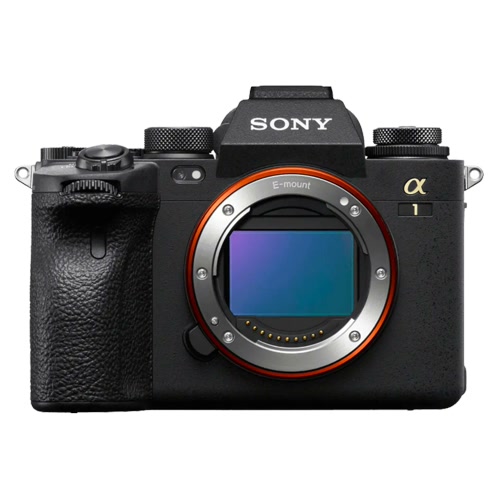
- Alpha 1: Sony's flagship all-round professional line combines high resolution with stacked-sensor speed, advanced subject tracking, and demanding stills/video features. It suits photographers who need one body for major sports, wildlife, news, and high-end hybrid production, but its price and fast-card requirements place it well beyond normal enthusiast needs.
- Alpha 9: The Alpha 9 family is built primarily for professional action, press, and event photography, with stacked sensors, blackout-minimized viewing, very fast electronic bursts, and strong network or workflow features. The latest generations prioritize speed and distortion control over maximum pixel count, making them less compelling than an Alpha 7R for large studio or landscape prints.
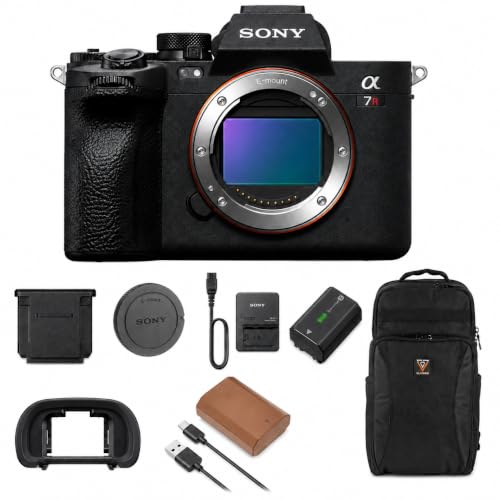
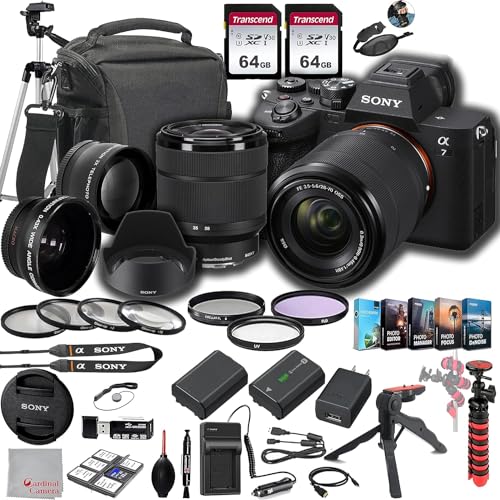
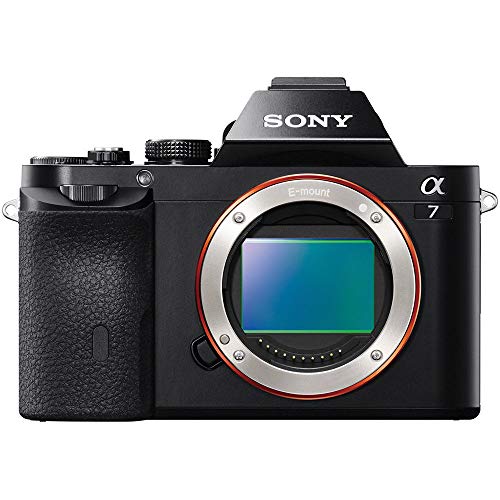
- Alpha 7: This is Sony's broad full-frame family: standard Alpha 7 bodies balance resolution and speed, Alpha 7R models emphasize high resolution, Alpha 7S models emphasize low-light video, and Alpha 7C models package full-frame sensors into smaller rangefinder-style bodies. Buyers should compare the suffix and generation carefully because screen design, menus, autofocus recognition, video bit depth, burst rate, and card slots can differ substantially.
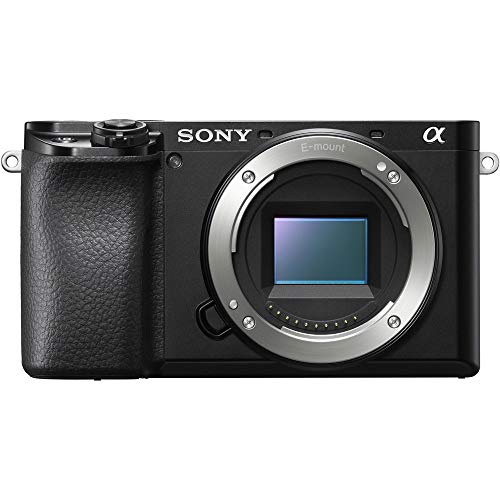
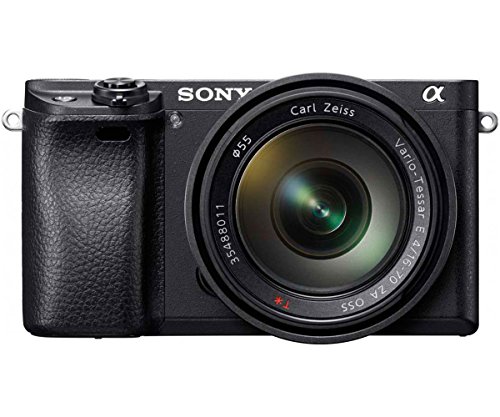
- Alpha 6000: Models such as the a6100, a6400, a6600, and a6700 use APS-C sensors and E-mount lenses in smaller bodies. They are well suited to travel, family photography, wildlife with extra apparent reach, and budget-conscious hybrid work, although some older generations lack in-body stabilization, modern touch interfaces, or the latest 10-bit video modes.
- ZV family: ZV-1 fixed-lens compacts and interchangeable-lens models such as the ZV-E10 and full-frame ZV-E1 are designed around self-recording, product presentation, directional audio accessories, and simplified video controls. They can be excellent creator cameras, but reduced viewfinder or stills controls on some models make them less versatile for traditional photography than an equivalently priced Alpha body.
- RX family: RX100 cameras are premium pocket compacts built around a 1-inch-type sensor, RX10 models are larger bridge cameras with long integrated zooms, and the RX1 line paired a full-frame sensor with a fixed 35 mm lens. RX cameras avoid lens changes and remain useful for travel or all-in-one shooting, but several models are older designs and can cost as much as newer interchangeable-lens kits.
How much do Sony cameras cost?
New Sony cameras generally cost about £400-£6,500 for the body or fixed-lens camera, with the final price determined mainly by sensor size, readout speed, autofocus hardware, video specification, and whether a lens is included.
Entry-level APS-C and creator models commonly sit around £400-£1,000. This range includes older Alpha 6000-series bodies, ZV fixed-lens compacts, and ZV-E10-class interchangeable-lens cameras; a kit zoom may be included, but in-body stabilization, a viewfinder, 10-bit video, weather sealing, or the newest autofocus processor may be absent.
Enthusiast APS-C and mainstream full-frame bodies generally cost about £1,100-£2,600. Cameras such as the a6700, Alpha 7, Alpha 7C, and selected ZV or RX models occupy this area, with better stabilization, batteries, controls, autofocus, and video options as the price rises. High-resolution Alpha 7R bodies and specialized Alpha 7S models often move into roughly the £2,600-£4,100 tier.
Professional stacked-sensor bodies such as the Alpha 9 and Alpha 1 families can reach approximately £5,200-£6,500 before lenses. Budget separately for the E-mount system: small primes may cost a few hundred euros, professional GM zooms commonly exceed £1,700, and long super-telephoto lenses can cost many thousands; CFexpress Type A cards, spare NP-FZ100 batteries, microphones, cages, and grips also increase a serious kit's total.
How do Sony cameras compare with Canon models?
Sony is usually the stronger choice for broad third-party lens access and compact body options, while Canon often has the advantage in grip design, menu approachability, and tightly integrated RF bodies and lenses. Both brands now offer excellent autofocus and professional stills/video cameras, so the meaningful difference is the complete system built around the intended work.
Sony E-mount has been used for full-frame mirrorless cameras since 2013 and supports a particularly large selection from Sony, Sigma, Tamron, Samyang, Zeiss, and others. Sony also offers clearly separated sensor specializations: Alpha 7R for resolution, Alpha 7S for video and low light, Alpha 9 for action, and Alpha 1 for high-end hybrid work. Its subject recognition and tracking are major strengths, especially on recent bodies, but the interface and grip vary noticeably between generations.
Canon's EOS R bodies often feel more conventional in the hand, with larger grips, straightforward touch interfaces, and controls familiar to EOS DSLR users. Canon has strong Dual Pixel CMOS autofocus, useful pre-capture and action features on selected bodies, and excellent native RF lenses, including distinctive premium designs. However, the RF third-party autofocus-lens selection and pricing structure should be checked for the required focal lengths rather than assumed to match E-mount.
Choose Sony when an E-mount lens from a particular manufacturer, a compact Alpha 7C-style body, or a specialized Alpha sensor/readout combination gives a clear advantage. Choose Canon when its ergonomics, RF lens, color/workflow preferences, or a specific EOS R feature is more important. Compare equivalent body-and-lens kits at the same total price, and test electronic-shutter distortion, video crops, viewfinder behavior, and controls on the exact models.
What should you consider while choosing the best Sony camera?
Consider the following points while choosing a Sony camera:
- Choose the correct Sony family: Use Alpha 1 or Alpha 9 for professional speed, Alpha 7R for maximum detail, Alpha 7S or selected ZV models for video, Alpha 7/7C for general full-frame work, and Alpha 6000-series bodies for smaller APS-C kits. Do not compare models only by release date, because each suffix represents a different balance of resolution, readout speed, controls, and video capability.
- Check E-mount format and lens coverage: APS-C E lenses mount on full-frame FE bodies, but the camera normally crops the image and loses resolution; full-frame FE lenses work on APS-C bodies with a 1.5× field-of-view crop. Price the exact wide-angle, standard, portrait, and telephoto lenses needed, including third-party Sigma or Tamron options, before choosing the body.
- Compare autofocus by generation and subject: Newer Sony bodies add dedicated recognition for subjects such as birds, insects, cars, trains, and aircraft, while older cameras may offer only human or animal eye AF and less persistent tracking. Confirm that the required subject detection works in stills, video, and the intended frame-rate mode, because feature availability is not identical across modes.
- Verify sensor readout and shutter behavior: A quoted burst rate does not show how much rolling shutter, flicker banding, viewfinder interruption, or RAW compression occurs. For fast sport, birds in flight, or silent event coverage, compare mechanical and electronic shutter rates, buffer depth, anti-flicker support, and whether the camera has a stacked or conventional sensor.
- Inspect the exact video mode: Check whether 4K is oversampled, pixel-binned, line-skipped, or cropped, and confirm frame rate, bit depth, chroma sampling, recording limit, and heat behavior. Models requiring high-bitrate All-Intra or high-frame-rate recording may need expensive V90 SD or CFexpress Type A cards, while micro-HDMI can be less secure than a full-size connector on a rig.
- Test stabilization and handheld behavior: In-body stabilization is not included on every APS-C or ZV model, and electronic Active stabilization can add a crop. Pair the intended lens with the body and test walking footage, slow shutter speeds, and rolling-shutter wobble rather than relying only on the advertised stabilization rating.
- Evaluate grip, screen, viewfinder, and menus: Alpha 7C and several ZV bodies prioritize size, while Alpha 1, Alpha 9, and larger Alpha 7 bodies provide more direct controls and, on selected models, higher-resolution viewfinders or dual card slots. Check whether the screen tilts or fully articulates, whether touch control extends through the menus, and whether the grip remains comfortable with the intended lens.
- Budget for power, storage, and audio: Many current Alpha bodies use the higher-capacity NP-FZ100 battery, while smaller or older models may use different batteries with shorter endurance. Add the cost of spare batteries, a charger if one is not supplied, compatible high-speed cards, microphones, digital-interface Multi Interface Shoe accessories, cages, and any required cooling or external-recording equipment.