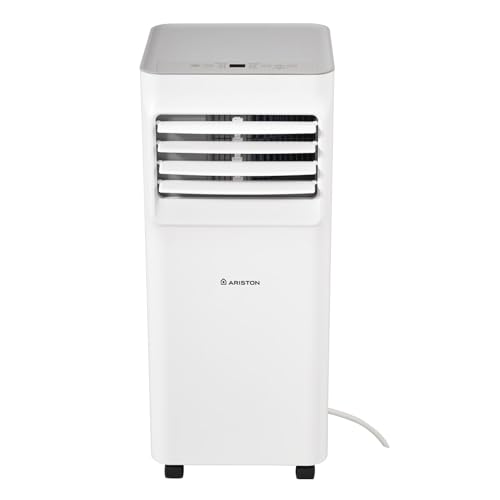
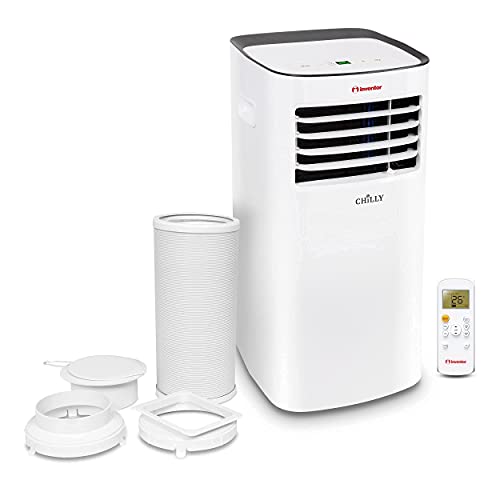
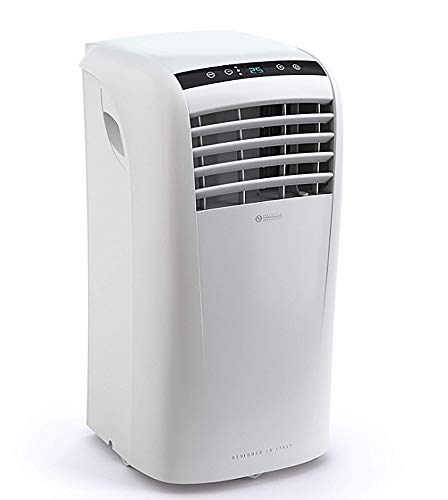
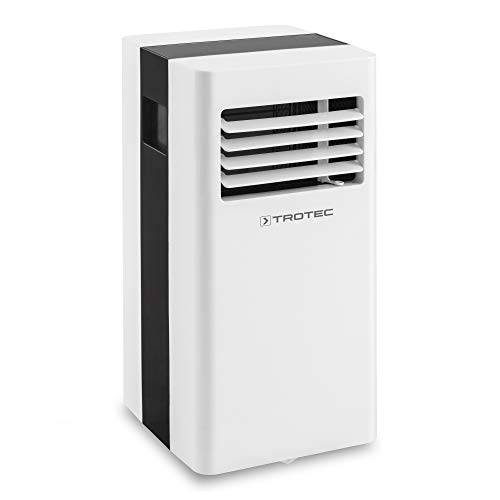
Which brands make the best portable air conditioners for bedrooms?
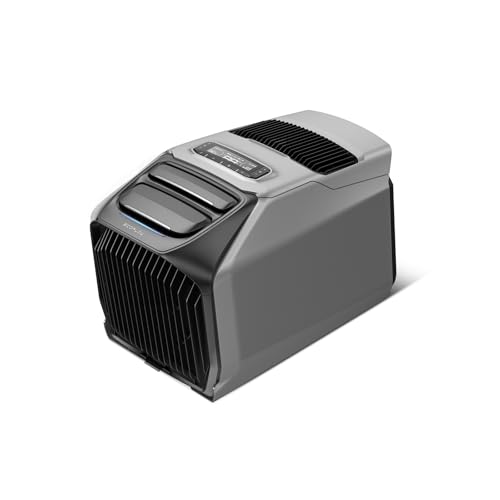
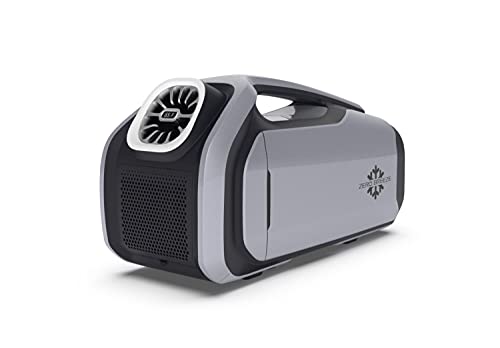
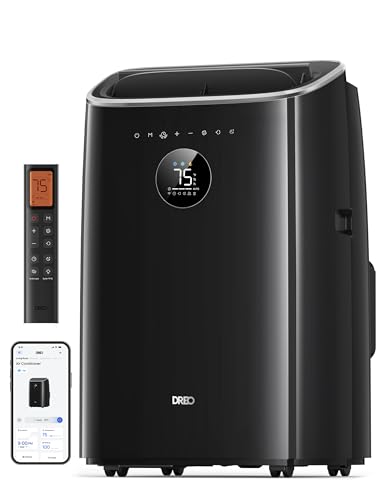
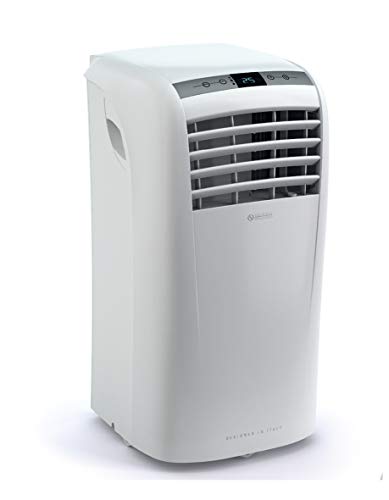
The best bedroom portable air conditioner brands are ranked below:
- [shortcode-07664737141637162280020008925053260418984244046938] (Average overall score: [shortcode-11855882429482457803177211139661707354531218743411])
- [shortcode-02789787075969055720084848698553094516001566233506] (Average overall score: [shortcode-16210422584595318518152474031764659486340975915702])
- [shortcode-17992171402329764247177699324571616738601723868063] (Average overall score: [shortcode-05185443131392066589153355449907752504114266101609])
The chart below ranks bedroom portable air conditioner brands by average overall score.
[horizontal-chart-08769837631986348423111610432980377022800647816991]
What noise level is quiet enough for a bedroom portable air conditioner?
For a bedroom, a portable air conditioner rated around 50–55 dB at the relevant cooling setting is a sensible quietness target; 56–60 dB can work for many sleepers but remains clearly audible. Published figures up to 65 dB are common, yet the test mode and distance matter as much as the number.
Check whether the rating applies with the compressor cooling or only with the fan at low speed. Night mode, inverter control, a level floor, vibration-resistant feet, and a straight hose can reduce perceived noise, while a unit that is too small may run loudly and continuously.
Listen for tonal fan noise and cabinet rattles as well as the headline dB value. Keep the exhaust away from walls, leave clearance around the intake, and match the capacity to the closed room so the compressor can settle instead of restarting at full output.
The chart below shows the maximum-noise distribution of bedroom portable air conditioners.
[vertical-chart-05340535502176884562024892937516400781812204370892]
Which settings help a portable air conditioner stay quiet at night?
The most useful settings for keeping a portable air conditioner quiet at night are as follows:
- Sleep or night mode: Use a mode that lowers fan speed or adjusts the set point gradually, then confirm that it still holds the room cool enough for sleep.
- Low or automatic fan: Start at low fan once the room is comfortable; automatic control can briefly raise airflow instead of running loudly all night.
- Timer and restart: Set a switch-off or delayed-start time around your sleep schedule, and use automatic restart only when the unit and socket support it safely.
- Moderate set temperature: A realistic target avoids constant maximum cooling. Setting the thermostat several degrees below the room temperature usually adds noise without improving sleep.
- Eco or inverter control: These settings can reduce compressor cycling and hold a steadier temperature when the unit is correctly sized.
- Airflow and placement: Aim the louvres away from the bed, keep the hose straight, and leave intake clearance so vibration and fan speed do not rise unnecessarily.
What BTU capacity is best for a bedroom portable air conditioner?
For a bedroom, about 5,000–7,000 BTU/h is usually enough for a closed room of roughly 10–20 m², while 8,000–10,000 BTU/h suits a larger or sunnier bedroom around 20–30 m². A higher nominal rating can help with heat, but it also tends to bring a larger cabinet and potentially more compressor noise.
Use the lower end when insulation is good and the door stays closed; choose more capacity when the room has strong afternoon sun, high ceilings, or heat from electronics. Check the SACC or delivered-capacity figure rather than relying on the marketing BTU number alone.
Oversizing can cause short cycling and weaker moisture removal. Correct sizing lets the unit run steadily at a lower fan setting, which is often more comfortable at night than a large cabinet that repeatedly starts at full output.
How much electricity does overnight bedroom cooling use?
Overnight bedroom cooling commonly draws about 700–1,000 W while a portable air conditioner is actively cooling, though the exact input depends on capacity and model. At a steady 800 W load, eight hours would use about 6.4 kWh; thermostat cycling, fan-only periods, and a well-sealed room reduce the real total.
Estimate the cost from the rated input power, your electricity tariff, and the expected duty cycle. A lower-wattage unit can still cost more if it runs continuously because it is undersized or loses cooled air through an open door or poor window seal. Use sleep or eco mode and set a moderate temperature rather than demanding rapid pull-down all night; a plug-in energy meter is the most reliable way to see how cycling and the room’s heat load affect actual overnight consumption.
How do you vent a portable air conditioner in a bedroom?
Vent a bedroom portable air conditioner through a window kit that seals the opening around the exhaust hose. Position the unit close enough to keep the hose short and straight, but leave the intake and outlet clear so the compressor can reject heat without raising noise.
Measure the window before buying and confirm that the supplied panel or an approved adapter fits its opening. Fabric, foam, or a loose panel can leak hot air back into the room and make the unit run continuously; keep the hose away from bedding, curtains, and walls, avoid sharp bends, and solve the venting route before relying on the unit for overnight comfort.
How should a bedroom portable air conditioner drain condensate?
A bedroom portable air conditioner should use self-evaporating condensate management or a continuous drain whenever the model supports it. Many units evaporate most moisture through the hot exhaust, but high humidity can still fill a tank and stop cooling, especially when the compressor runs for long periods.
Check whether the drain outlet accepts a hose and whether gravity routing is possible without kinks. A continuous hose to a suitable drain prevents nighttime tank alarms, while a manual tank requires a safe accessible position and regular emptying. Never route condensate where it can reach electrical connections or flooring.
Read the exact model instructions because some modes produce more water than cooling and some compact units use separate upper and lower drains. Test the drain before bedtime, keep the cap and hose accessible, and use the manufacturer’s specified hose size and height.
How much do good bedroom portable air conditioners cost?
Good bedroom portable air conditioners usually cost about £300-£600, although workable entry models start around £130-£220. Lower-priced units often provide 5,000–8,000 BTU/h, a timer, sleep mode, and basic dehumidification, but they may publish 62–65 dB noise and offer less refined drainage or vibration control.


Mid-range choices around £220-£390 are more likely to combine 7,000–10,000 BTU/h cooling with quieter settings, several speeds, stronger window kits, and self-evaporating or continuous-drain options. Premium models above roughly £430 can add inverter control, lower measured noise, heating, app control, or a more durable cabinet; the extra cost is worthwhile only when those features matter for the bedroom.
The chart below shows the price distribution of bedroom portable air conditioners.
[vertical-chart-14322172722878557463115466130891986785280222696653]