Which brands make the best instant cameras?
The main instant camera brands are as follows:
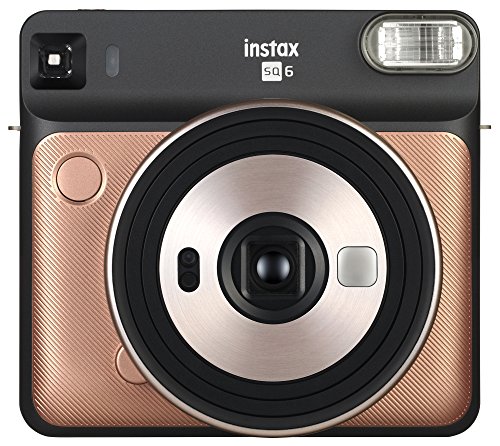
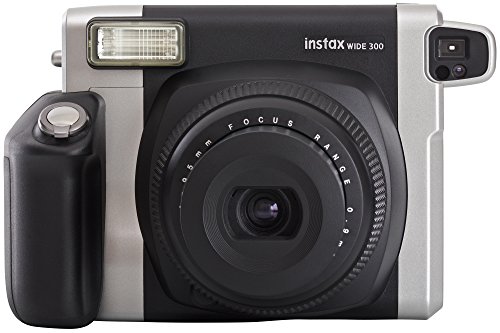
- Fujifilm Instax: Instax offers the broadest current instant-camera ecosystem, with Mini, Square, and Wide film formats. Entry models emphasize simple automatic exposure, while higher lines add close-up modes, exposure control, app connectivity, or hybrid digital capture; buyers should choose the film format first because cartridges are not interchangeable.
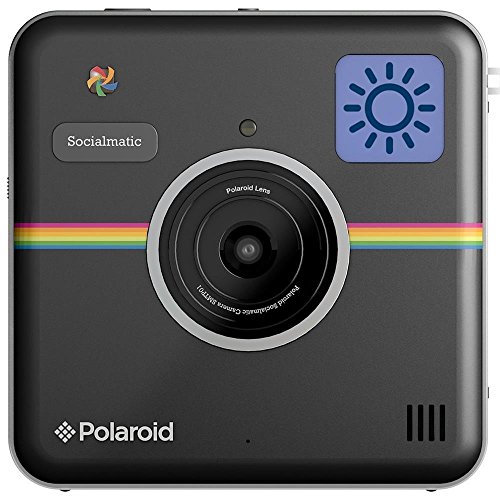
- Polaroid: Polaroid cameras produce the brand’s characteristic large square image using i-Type or 600-format film. The system suits buyers who prefer a larger print and a more traditional instant-photography look, but film is relatively expensive and results depend more strongly on temperature, light, and careful shielding during development.
What is an instant camera?
An instant camera is a camera that produces a physical print shortly after the shutter is pressed, either by developing self-contained film or by printing a digital capture onto instant photo paper. Traditional cameras expose a sheet inside a sealed film pack, and the chemicals spread through the image as it ejects and develops over several minutes.
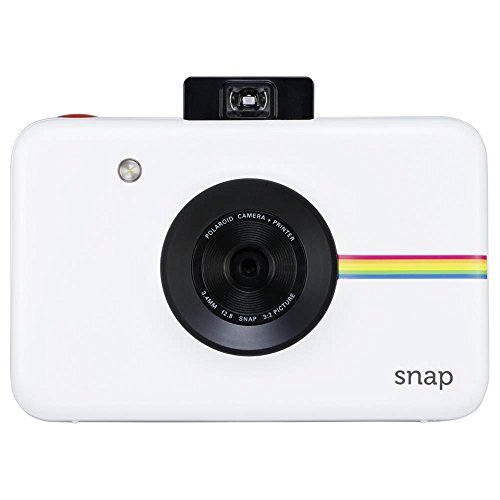
Hybrid instant cameras capture the image digitally first and may let the photographer preview, edit, save, or reprint it before using ZINK or dye-sublimation paper. They waste fewer sheets and can make duplicates, but they behave more like compact digital cameras with built-in printers than classic one-shot film cameras.
How do instant cameras differ from standard cameras?
Instant cameras differ from standard cameras by making a small physical photograph immediately instead of treating a digital file or a roll of film as the main output. The print format, fixed or limited-focus lens, simple exposure system, and per-shot consumable cost shape the experience more than resolution or interchangeable lenses.
A standard digital camera normally provides a larger sensor, more accurate autofocus, broader dynamic range, stronger low-light performance, and files that can be edited or shared without paying for every exposure. Traditional instant film is less predictable: temperature, development time, flash distance, and handling can change color and contrast, while the optical viewfinder may not show the exact close-range framing.
Instant cameras are therefore best when the physical object and social experience matter more than technical perfection. Hybrid models narrow the gap by allowing previews, digital storage, filters, and selective printing, although their small sensors and compact printer mechanisms still prioritize convenience over conventional-camera image quality.
What film sizes are common on instant cameras?
The common instant-camera film and paper sizes are as follows:
- Fujifilm Instax Mini: The image area is about 62 × 46 mm on a card-sized 86 × 54 mm sheet. It is the most portable Instax format and works well for wallets, guest books, and casual portraits, but the small image gives groups and landscapes limited room.
- Fujifilm Instax Square: The exposed image is approximately 62 × 62 mm on an 86 × 72 mm sheet. Its balanced square composition offers more area than Mini without making the camera and film packs as large as the Wide system.
- Fujifilm Instax Wide: The image measures about 62 × 99 mm on an 86 × 108 mm sheet. It suits group photographs and environmental scenes, although compatible cameras are bulkier and the film is less pocketable.
- Polaroid i-Type and 600: Both formats produce the familiar square image of roughly 79 × 79 mm within a 107 × 88 mm frame. The physical dimensions match, but i-Type packs omit the battery required by vintage 600 cameras, so film compatibility must be checked rather than assumed.
- Polaroid Go: The compact frame is about 67 × 54 mm with an image near 47 × 46 mm. It makes the camera easier to carry, but the noticeably smaller picture is less suitable when fine detail or larger writing space is important.
- 2 × 3-inch ZINK paper: Hybrid digital instant cameras commonly print borderless sheets around 76 × 51 mm. ZINK is smudge-resistant and adhesive-backed on many products, but it is printer paper rather than chemically developing instant film and its color character differs from Instax or Polaroid.
How much do instant cameras cost?
New instant cameras typically cost about £60-£300, with simple analog models concentrated around £70-£130 and more advanced or hybrid models commonly priced from £130 upward. Large-format bodies, digital preview screens, internal storage, app connectivity, or built-in printers generally raise the price.
Basic cameras automate exposure and flash and usually have a fixed lens with few creative controls. Mid-range models may add close-focus modes, exposure compensation, self-timers, double exposure, flash suppression, or a choice of film formats, while premium hybrid cameras can save digital files and print only selected images.
The body is only part of the budget because every print consumes film or paper. A cheaper camera using an expensive format can cost more over time than a higher-priced body with lower per-shot media, so estimate the cost of several packs for each trip, party, or project before choosing a system.
How expensive is printing on instant cameras?
Printing on an instant camera usually costs about £0-£0 per photograph, depending on the format, pack size, and multipack discounts. Instax Mini often sits near the lower end, Instax Square and Wide generally cost somewhat more, and full-size Polaroid i-Type or 600 film is commonly the most expensive per exposure.
A ten-print session can therefore add roughly £10-£20 before failed exposures are considered. Traditional film charges for every shutter press, whereas a hybrid camera with a preview screen can save money by printing only successful frames or making several copies of one digital image.
Special editions, monochrome film, decorative borders, and small retail packs usually increase the per-print price. Store film within the manufacturer's temperature guidance, let chemical prints develop away from strong light as directed, and avoid buying more packs than can be used before their date because poor storage wastes both images and money.
What image quality do instant cameras offer?
Instant cameras offer charming but technically modest image quality, with soft detail, limited dynamic range, and less consistent exposure than a good smartphone or conventional digital camera. Their appeal is the distinctive physical print, color response, border, and one-off character rather than clinical sharpness.
Traditional instant film performs best in bright, even light or at the camera's intended flash distance. Small apertures and simple lenses keep several subjects acceptably sharp, but close-ups can suffer from viewfinder parallax, and highlights may wash out while dark backgrounds become nearly black.
The print format matters because a larger Instax Wide or full-size Polaroid image is easier to view and gives group photographs more space than Instax Mini or Polaroid Go. Film temperature also affects development: cold conditions can slow the process and shift color, while excessive heat can reduce consistency.
Hybrid digital instant cameras can preview and selectively print images, but their small sensors and compact printers do not automatically provide superior output. They are usually more predictable and economical, while chemical film retains the more organic tonal and color variations many buyers want from an instant camera.
What should you check before buying an instant camera?
Before buying an instant camera, consider the following factors:
- Capture and print system: Decide whether you want traditional film, which exposes and develops every shot, or a hybrid digital camera that can preview and selectively print. Hybrid models reduce wasted media and may save files to internal storage or a memory card, but classic film provides the direct one-exposure, one-print experience.
- Film or paper compatibility: Check the exact format printed on the camera and film pack rather than buying by brand alone. Instax Mini, Square, and Wide are mutually incompatible, Polaroid Go is smaller than i-Type or 600, and i-Type packs lack the battery needed by vintage 600 cameras; an incorrect pack will not fit or power the camera properly.
- Print dimensions and intended use: Instax Mini has an image area near 62 × 46 mm, Instax Square about 62 × 62 mm, and Instax Wide about 62 × 99 mm. Smaller prints suit wallets and guest books, while larger formats show groups and scenery better but require bulkier cameras and storage.
- Lens, focus range, and viewfinder: Verify the minimum focusing distance, whether the lens uses fixed focus, zones, or autofocus, and whether a dedicated close-up mode changes framing. Optical finders sit away from the lens, so parallax becomes obvious at short distances; a selfie mirror or close-up correction mark helps but does not make framing exact.
- Exposure and flash control: Automatic flash is useful indoors, yet a camera that cannot suppress it may produce harsh faces or unwanted reflections. Look for exposure compensation, flash override, backlight handling, and a shutter range suited to the intended lighting, while remembering that slow shutters can blur moving subjects even when the background is exposed correctly.
- Creative controls: Self-timers, double exposure, bulb or long-exposure modes, colored flash filters, and app-based remote control expand what a simple instant camera can do. Confirm whether these features work with every exposure mode and whether using them consumes film immediately or allows a hybrid preview first.
- Running cost and film availability: Expect roughly £0-£0 per print depending on format and pack size, then multiply that by the number of photographs expected at events or during travel. Check that fresh film is consistently sold in your region, because a low camera price is poor value if its consumables are scarce or unusually expensive.
- Power, portability, and handling: Some cameras use AA or CR2 cells, others contain rechargeable batteries, and vintage-compatible Polaroid systems may receive power from the film pack. Check battery availability, charging method, body weight, grip, and loaded dimensions; Wide and full-size Polaroid cameras take larger prints but occupy substantially more bag space than Mini or Go models.
- Development and storage conditions: Chemical instant film is sensitive to temperature and should develop according to the maker's instructions, commonly away from strong light for the first minutes. If you will shoot in cold or hot environments, plan how to keep packs and developing prints within a moderate temperature range, and carry a rigid sleeve so fresh images are not bent or abraded.