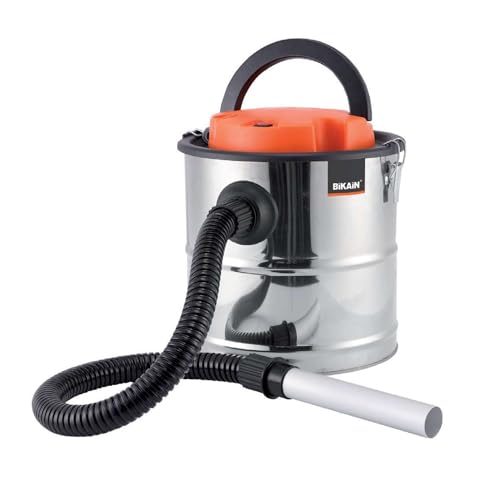
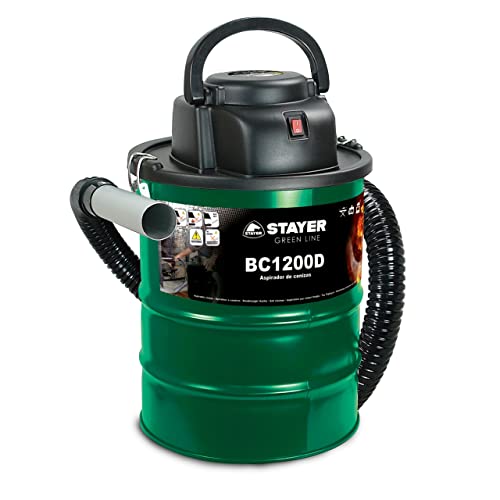
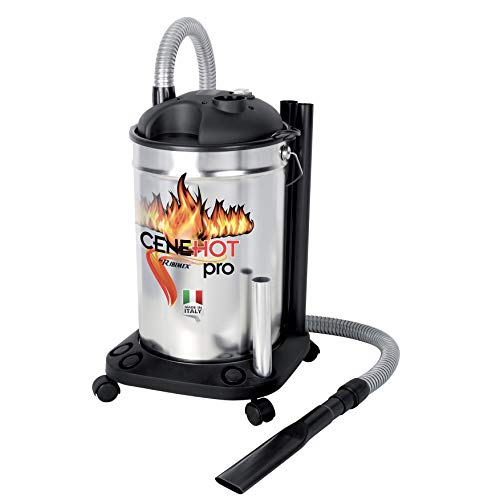
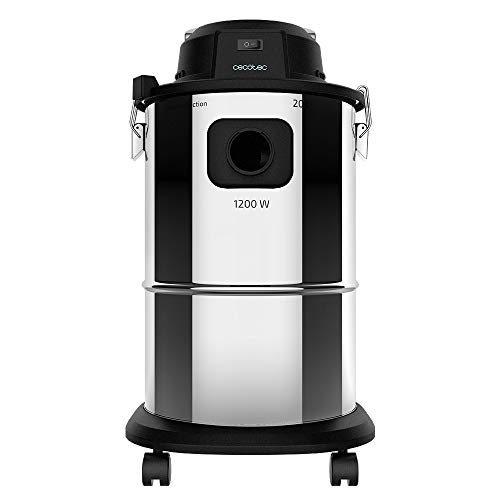
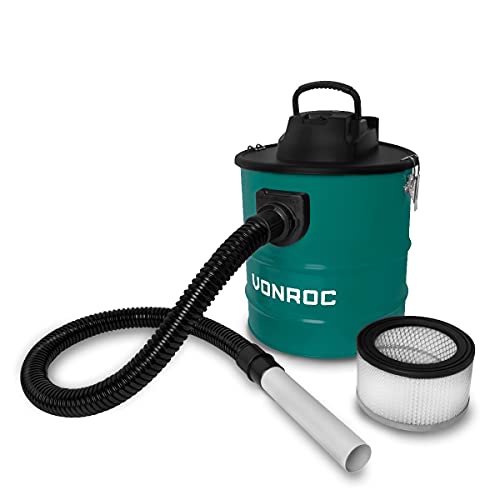
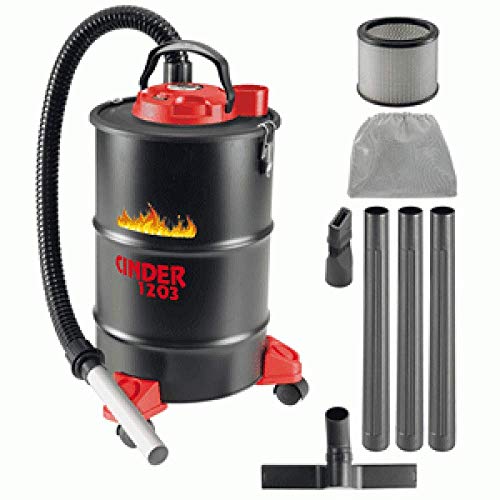
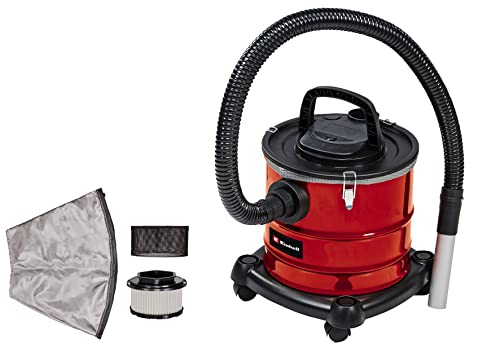
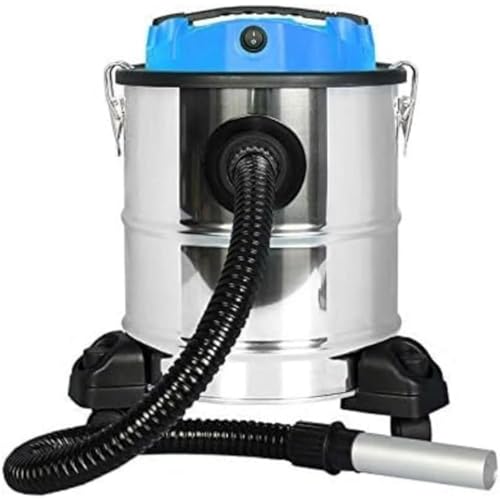
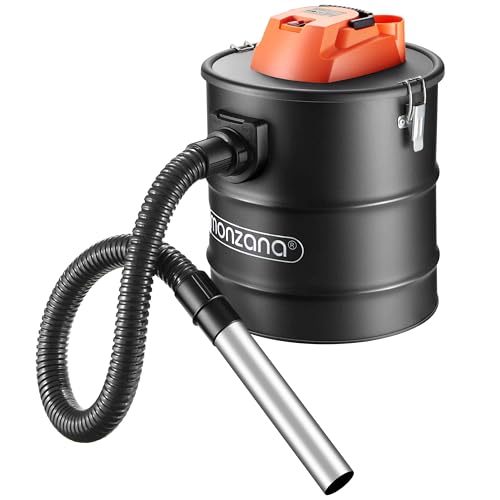
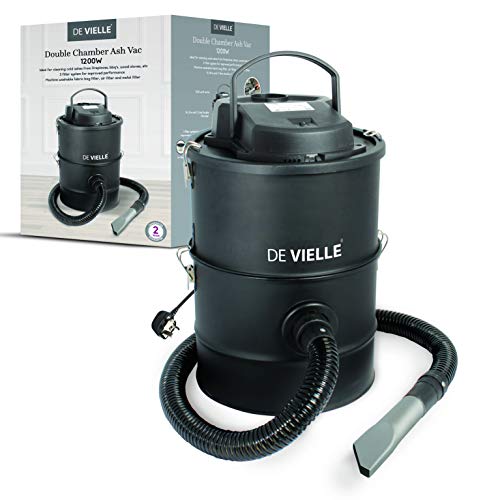
Welke merken maken de beste aszuigers voor haarden?
De volgende rangschikking vergelijkt gevestigde merken aszuigers op basis van hun gemiddelde totaalscore in de hele categorie. De geschiktheid voor een specifieke haard hangt echter ook af van een metalen astraject, reservoircapaciteit, fijnstoffiltratie en de temperatuuraanwijzingen van de fabrikant:
- Sellnet (Gemiddelde totaalscore: 7.7)
- Kaminer (Gemiddelde totaalscore: 7.6)
- Kärcher (Gemiddelde totaalscore: 7.4)
De onderstaande grafiek vergelijkt gevestigde merken aszuigers op basis van hun gemiddelde totaalscore.
[horizontal-chart-17495554516316705543147502528947893099530784932573]
Wat maakt een aszuiger geschikt voor het schoonmaken van een haard?
De volgende kenmerken maken een aszuiger geschikt voor het schoonmaken van een haard:
- Metalen asstraject: een metalen reservoir, versterkte metalen slang en metalen eindmondstuk verdragen schurende as beter dan onderdelen van een gewone huishoudelijke stofzuiger. Ze maken gloeiende sintels niet veilig, dus de temperatuurlimiet blijft gelden.
- Bruikbare reservoircapaciteit: ongeveer 15–25 liter biedt een goede balans tussen stabiliteit en draaggewicht voor een typische open haard. Kleinere reservoirs passen bij frequente lichte schoonmaak, terwijl zeer grote reservoirs lastig worden wanneer ze vol zijn.
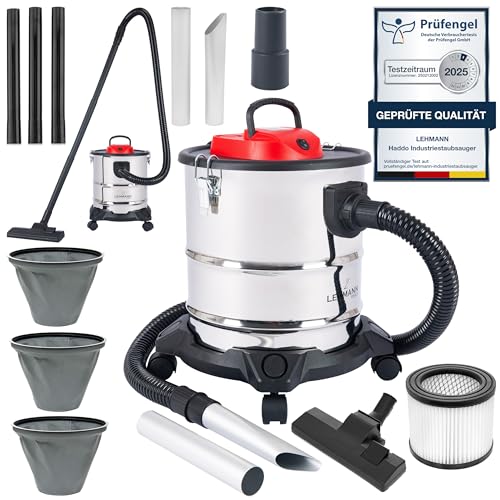
- Fijnstoffiltratie: een grof voorfilter moet een geplooid of HEPA-hoofdelement beschermen tegen snel vollopen. Gelijkmatig sluitende afdichtingen en stevige sluitingen helpen voorkomen dat fijn grijs stof langs het deksel ontsnapt.
- Constante luchtstroom: ongeveer 15–20 kPa of 800–1.200 W kan een bruikbaar vergelijkingspunt zijn, maar alleen tussen vergelijkbaar ontworpen machines. Slangbeperkingen en een vuil filter kunnen een schijnbaar vermogensvoordeel tenietdoen.
- Bereik en controle: een flexibele slang en smal mondstuk moeten randen van de haard, openingen in het rooster en de achterkant bereiken zonder omliggende afwerking te beschadigen.
- Eenvoudig onderhoud: gereedschapsvrije filtertoegang, wasbare onderdelen, verkrijgbare vervangingsonderdelen en een reservoir dat schoon kan worden geleegd beperken blootstelling aan stof na elk gebruik.
Welke slang- en mondstukontwerpen bereiken hoeken van de haard?
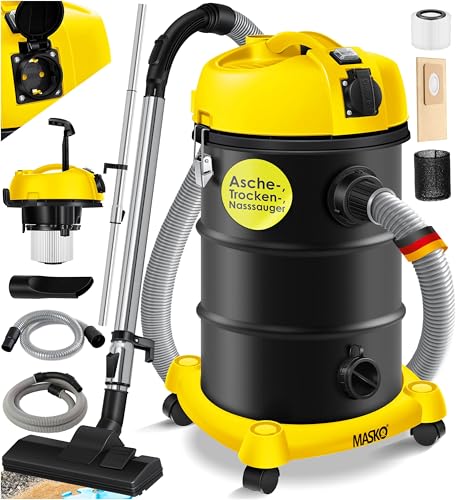
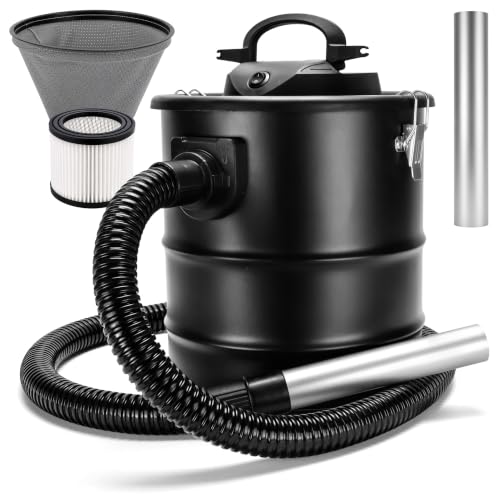
Een flexibele versterkte slang en smal metalen eindmondstuk bieden de beste controle in hoeken van een haard. Een slang die lang genoeg is om de achterkant van de vuurhaard te bereiken houdt het reservoir stabiel op de haard of vloer, terwijl een smal mondstuk tussen de spijlen van het rooster past en voegen langs de vuurvaste stenen volgt. Metaal aan het uiteinde is bestand tegen slijtage, maar de taps toelopende opening moet breed genoeg zijn voor kleine houtskoolfragmenten zonder vaak te verstoppen.
Controleer hoe stevig de slang aan het reservoir vergrendelt en of hij kan draaien zonder los te raken. Gladde binnenwanden en zachte bochten behouden de luchtstroom beter dan gegolfde delen met scherpe bochten. Een verwijderbare verlenging of spleetmondstuk maakt toegang rond deuren en asladen gemakkelijker. Sleep het metalen mondstuk niet over glas, emaille, steen of kwetsbare afwerkingen. Werk beheerst en gebruik passende bescherming die door de fabrikant wordt meegeleverd.
De onderstaande grafiek toont hoe vaak aszuigers een metalen eindmondstuk bevatten.
[pie-chart-09166167605916628322165787357510102189662953286738]
Welke reservoir- en filterkenmerken voorkomen dat fijne haardas ontsnapt?
Een aszuiger voor de haard moet voldoende reservoirvolume hebben om de luchtstroom te behouden zonder lastig te verplaatsen te worden. Ongeveer 15–25 liter past bij de meeste haarden thuis: er blijft ruimte boven de verzamelde as, te vol vullen wordt voorkomen en het apparaat blijft stabieler dan een zeer kleine bak. Leeg het reservoir voordat as bij het filter komt in plaats van alleen op de nominale capaciteit te vertrouwen.
Fijne haardas heeft twee beschermingsfasen nodig. Een grof stoffen of gaasvoorfilter vangt grotere deeltjes op en verdeelt de stofbelasting, terwijl een geplooid fijnstoffilter of HEPA-element de kleinere fractie tegenhoudt. Het filterlabel alleen is niet genoeg; ook dekselafdichting, slangkoppelingen en motorbehuizing moeten goed sluiten zodat lucht niet langs het filtermateriaal kan gaan.
Wasbare filters verlagen de kosten van verbruiksonderdelen, maar moeten voorzichtig worden gereinigd en volledig drogen voordat ze worden teruggeplaatst. Handmatige schudders of automatische filterreiniging kunnen de luchtstroom tijdens lange sessies herstellen, maar vervangen onderhoud niet. Controleer of vervangingsfilters en afdichtingen verkrijgbaar zijn, want een vervormd of verstopt element kan zwakke zuigkracht en zichtbaar stofverlies veroorzaken.
Wat kosten aszuigers voor haarden?
Aszuigers voor haarden kosten meestal ongeveer 35–130 €, terwijl hoogwaardige modellen met snoer en snoerloze systemen ongeveer 150–340 € kunnen kosten. Apparaten onder 50 € kunnen incidenteel schoonmaken van koude as aan, maar hebben vaak kleinere filteroppervlakken, kortere slangen, eenvoudigere afdichtingen of minder vervangingsonderdelen. Vergelijk het complete filtersysteem en de kosten van verbruiksonderdelen in plaats van reservoirgrootte of motorvermogen als belangrijkste waarde-indicator te zien.
Rond 60–120 € mogen kopers een sterke combinatie verwachten van een metalen reservoir van 15–25 liter, versterkte slang, metalen mondstuk, wasbare geplooide filtering en gemakkelijker onderhoud. Een hogere prijs is vooral te verdedigen wanneer die betrouwbare filterreiniging, betere stofafdichting, nuttige accessoires, stillere werking of een accusysteem toevoegt dat je al bezit. Geen enkele meerprijs vervangt het naleven van de limiet voor koude as.
De onderstaande grafiek toont de prijsverdeling van aszuigers die voor het schoonmaken van haarden zijn meegenomen.
[vertical-chart-02049192578767447811094619216221561833603614642741]
Kun je haardas opzuigen terwijl die nog warm is?
Nee, haardas mag niet worden opgezogen terwijl die nog warm is, tenzij de handleiding van de specifieke aszuiger die temperatuur uitdrukkelijk toestaat. Een metalen reservoir en slang zijn bestand tegen slijtage en incidentele warmte, maar maken verborgen sintels of gloeiend materiaal niet veilig.
Laat het vuur volledig uitgaan, wacht tot de haard en het asbed zijn afgekoeld en roer de resten om met een metalen hulpmiddel om geïsoleerde hete plekken bloot te leggen. Sommige handleidingen noemen ongeveer 40 °C als maximum, maar de limieten verschillen en de productinstructies hebben voorrang.
Zuig nooit gloeiende kolen, brandend hout, lucifers, sigarettenpeuken of ander brandbaar vuil op. Hitte kan filters, afdichtingen, slangen, motoren en accu's beschadigen, terwijl een vonk fijne stofdeeltjes in het apparaat kan ontsteken.
Leeg de koude inhoud na het zuigen op een geschikte plek buiten en volg de plaatselijke richtlijnen voor verwijdering. Houd het reservoir weg van brandbare opslag totdat resterende warmte onmogelijk is.
Hoe maak je een haard schoon zonder asstof te verspreiden?
Gebruik de volgende volgorde om een haard schoon te maken zonder asstof te verspreiden:
- Laat de haard afkoelen en controleer hem: wacht volgens de instructies van de fabrikant totdat apparaat en as volledig koud zijn. Roer de as voorzichtig om met een metalen hulpmiddel en verwijder grotere onverbrande stukken met passende bescherming met de hand.
- Bereid de zuiger buiten of in een geventileerde bijkeuken voor: controleer filter, voorfilter, afdichtingen, slang en reservoir voordat je het apparaat naar de haard brengt. Vervang beschadigde onderdelen en leeg oude inhoud, zodat de luchtstroom op volle sterkte begint.
- Beheers de ruimte: sluit deuren in de buurt, zet ventilatoren uit en open ramen niet op een manier die tocht over de haard veroorzaakt. Bescherm kwetsbare vloeren en houd kinderen en huisdieren uit het werkgebied.
- Zuig langzaam van het oppervlak naar beneden: houd het mondstuk dicht bij de as zonder diep in de hoop te steken of die om te woelen. Werk in kleine delen rond rooster, hoeken en aslade en pauzeer als stof ontsnapt of de zuigkracht afneemt.
- Houd de luchtstroom tijdens de klus op peil: gebruik het filterreinigingsmechanisme als dat aanwezig is en controleer het voorfilter als de opname zwakker wordt. Schud of verwijder een stoffig filter niet in de woonruimte.
- Leeg en reinig veilig: draag het gesloten apparaat naar buiten, leeg alleen koude as in een geschikte bak en reinig filters volgens de handleiding. Veeg de haard pas met een geschikte vochtige methode af nadat losse as is verwijderd.